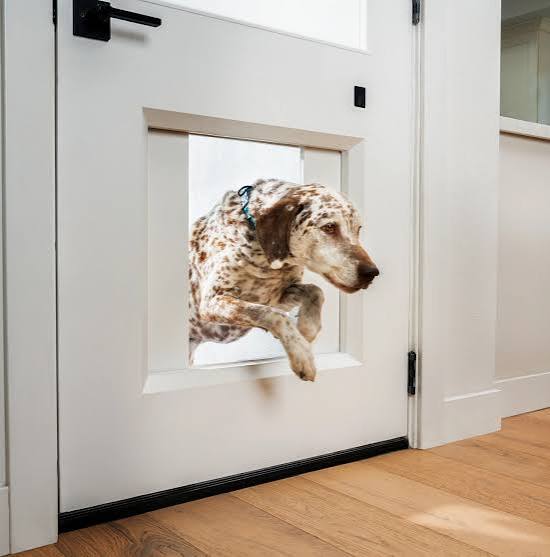
Many pet owners struggle with letting their dogs out for bathroom breaks without constantly opening the main house door. If you are wondering can you put a doggie door in a garage door, the answer is yes, but it requires careful planning to ensure safety and functionality. This guide will walk you through everything you need to know to make this modification successfully.
Is It Safe to Install a Pet Door in a Garage Door?
Before grabbing your tools, it is crucial to address the primary concern: safety. Installing a doggie door in a garage door is technically possible, but it comes with unique challenges compared to installing one in a wooden interior door or a wall.
The main issue lies in the structure of modern garage doors. Most residential garage doors are made of thin aluminum or steel panels with hollow cores or lightweight insulation. They are not designed to hold the weight of a rigid pet door frame without reinforcement. Furthermore, garage doors move vertically on tracks, meaning any installed hardware must withstand constant vibration and movement.
According to general home improvement standards, structural integrity is paramount when modifying moving parts of a home. You can read more about building safety standards on Wikipedia.
If you proceed without proper reinforcement, the pet door may loosen over time, creating gaps that compromise your home’s security and energy efficiency. Additionally, you must consider who else might use the door. A garage door pet door could potentially allow raccoons, stray cats, or even intruders access to your garage, which often contains valuable tools and vehicles.
What Type of Garage Door Do You Have?
Not all garage doors are created equal. The feasibility of installing a doggie door depends heavily on the material and construction of your specific door.
Steel or Aluminum Panel Doors
These are the most common types in the US. They consist of horizontal sections hinged together.
- Challenge: The panels are thin (often less than 2 inches thick) and hollow.
- Solution: You cannot simply cut a hole and screw in a standard pet door. You must install a wooden backing board inside the panel to provide a solid surface for mounting.
Wooden Garage Doors
Older homes or custom-built garages may have solid wood doors.
- Advantage: These are much easier to modify. You can treat them like any standard exterior door.
- Solution: Standard pet door kits work well here, provided the wood is thick enough to accommodate the tunnel length of the pet door.
Insulated vs. Non-Insulated
Insulated doors have foam or fiberglass batting inside. Cutting into these requires sealing the edges properly to prevent moisture from getting trapped inside the panel, which can lead to rust or mold.
Step-by-Step Guide: How to Install a Doggie Door in a Garage Door
If you have determined that your garage door is suitable for modification, follow these detailed steps. Note: If you are uncomfortable using power tools, hire a professional handyman.
Tools and Materials Needed
- Measuring tape
- Jigsaw or oscillating multi-tool
- Drill with assorted bits
- Screwdriver set
- Marine-grade plywood (for backing)
- Weatherstripping sealant
- Stainless steel screws
- Your chosen pet door kit
Step 1: Measure Your Dog
Measure your dog’s height at the shoulder and add 2–3 inches. This determines how high off the ground the bottom of the pet door should be. For example, if your dog is 15 inches tall, install the bottom of the door at 17–18 inches from the floor.
Step 2: Choose the Right Location
Select a lower panel of the garage door. Avoid placing it near the hinges or rollers, as this area experiences the most stress during operation. Ensure there are no internal struts or wiring in the chosen panel.
Step 3: Create a Reinforcement Backing
This is the most critical step for metal doors.
- Cut a piece of marine-grade plywood slightly larger than the pet door frame.
- Open the garage door and access the inside of the selected panel.
- Insert the plywood inside the hollow cavity of the panel.
- Secure the plywood to the inner walls of the panel using adhesive or small screws from the outside (pre-drill to avoid piercing through visibly).
Step 4: Mark and Cut the Hole
- Place the pet door template on the outside of the garage door panel.
- Trace the outline carefully.
- Use a jigsaw with a fine-tooth blade to cut along the line. Go slowly to prevent bending the metal skin.
- Deburr the edges with sandpaper to remove sharp metal shards.
Step 5: Install the Pet Door
- Insert the outer frame of the pet door through the hole from the outside.
- Align the inner frame with the plywood backing inside.
- Secure the frames together using stainless steel screws. Do not overtighten, as this can warp the thin garage door panel.
- Apply weatherstripping sealant around the edges to prevent water and air leaks.
Step 6: Test the Operation
Open and close the garage door several times to ensure the new addition does not interfere with the tracks or rollers. Check that the pet door flap moves freely.
Pros and Cons of a Garage Door Doggie Door
Making an informed decision requires weighing the benefits against the drawbacks. Here is a clear comparison:
| Feature | Pros | Cons |
|---|---|---|
| Convenience | Dogs can go out without human help. | Requires training for the dog to use it. |
| Energy Efficiency | Keeps main house door closed, saving AC/heat. | Garage itself may not be insulated well. |
| Security | No need to leave main door unlocked. | Potential entry point for pests or intruders. |
| Installation | One-time setup cost. | Complex installation on metal doors; risk of voiding warranty. |
| Maintenance | Easy to clean flaps. | Moving garage door may loosen screws over time. |
Alternative Solutions to Consider
If the idea of cutting into your garage door seems too risky or complex, consider these alternatives:
- Wall-Mounted Pet Door: Install the doggie door in the drywall or siding next to the garage door. This is structurally safer and easier to seal.
- Side Entry Door: If your garage has a standard pedestrian side door, install the pet door there instead.
- Smart Pet Doors: Use electronic pet doors that only open for your dog’s microchip. This solves the security concern of other animals entering.
- Dog Run or Fence: Create a secure outdoor enclosure attached to the garage so your dog can stay outside safely without needing a door in the moving garage structure.
Frequently Asked Questions (FAQ)
1. Will installing a doggie door void my garage door warranty?
In most cases, yes. Modifying the structure of the door by cutting holes typically voids the manufacturer’s warranty. Check your specific warranty terms before proceeding.
2. Can I use a standard pet door for a garage door?
Standard pet doors are designed for solid wood or vinyl doors. For a garage door, especially metal ones, you need a heavy-duty model with a longer tunnel and robust mounting hardware. Look for models specifically rated for exterior or metal use.
3. How do I prevent bugs and cold air from coming through?
Use high-quality weatherstripping around the frame of the pet door. Additionally, choose a pet door with double flaps or a magnetic seal to create a better barrier against the elements.
4. Is it difficult to train a dog to use a garage door pet door?
It can be challenging because garage doors are loud and move. Start by propping the garage door open and the pet door flap open. Use treats to encourage your dog to pass through. Gradually lower the garage door and close the flap as they become comfortable.
5. What size doggie door do I need?
Measure your dog’s height and width. Add 2 inches to both measurements. Most manufacturers provide sizing charts. For large breeds like German Shepherds, you will need an “Extra Large” size, while small breeds like Terriers fit “Small” or “Medium.”
6. Can raccoons get through a doggie door?
Yes, standard flaps can be pushed open by raccoons, opossums, and large cats. To prevent this, invest in an electronic pet door that reads your dog’s microchip or collar key. These doors remain locked until your specific pet approaches.
Conclusion
So, can you put a doggie door in a garage door? Yes, you can, but it is not a simple plug-and-play project. It requires reinforcing the door panel, precise cutting, and careful sealing to maintain security and weather resistance. For many homeowners, installing the pet door in a adjacent wall or a side pedestrian door is a safer and more effective alternative.
However, if you have a solid wood garage door or are skilled with DIY reinforcements, a garage door pet door can offer unparalleled convenience for you and your furry friend. Always prioritize safety, use high-quality materials, and consider electronic options to keep unwanted critters out.
If you found this guide helpful, please share it with fellow pet owners on social media! Let’s help our dogs enjoy their freedom safely.
Leave a Reply