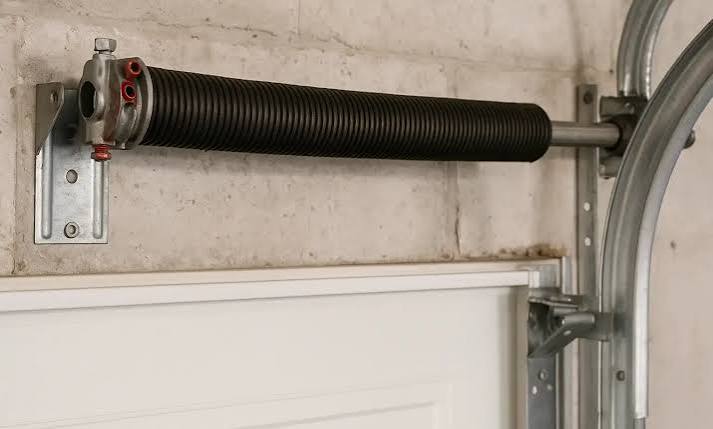
Have you ever stood in your driveway, remote in hand, only to hear a loud bang followed by silence? Your garage door refuses to budge, and you realize a spring has snapped. It’s a frustrating and potentially dangerous situation that many homeowners face. If you are wondering, “Can you open the garage door with a broken spring?” the short answer is technically yes, but it comes with significant risks and physical effort that you need to understand before attempting it.
Understanding the Role of Garage Door Springs
Before attempting any manual operation, it is vital to understand what just failed. Garage doors are heavy—often weighing between 150 to 400 pounds (68 to 181 kg). The springs are not just accessories; they are the primary counterbalance system designed to lift this massive weight with minimal effort from the opener or your hands.
There are two main types of springs:
- Torsion Springs: Mounted horizontally above the door opening. They twist to store energy.
- Extension Springs: Located on either side of the horizontal tracks. They stretch to provide lift.
When a spring breaks, the counterbalance is lost. This means the full weight of the door is now resting on the tracks, rollers, and potentially, you. According to the U.S. Consumer Product Safety Commission, garage door-related injuries send thousands of people to emergency rooms annually, with spring failures being a leading cause of sudden, uncontrolled door movement.
The Risks of Operating a Door with a Broken Spring
While it might be tempting to force the door open to get your car out, doing so without proper knowledge can lead to severe consequences.
1. Physical Injury
Without the spring’s assistance, the door is dead weight. Lifting it manually requires significant upper body strength. If you lose your grip or the door slips, it can crash down instantly, causing crushed fingers, broken bones, or back injuries.
2. Damage to the Garage Door Opener
If you attempt to use your electric opener while the spring is broken, you risk burning out the motor. The opener is designed to lift a balanced door, not haul hundreds of pounds of steel against gravity. This can lead to costly repairs beyond just the spring replacement.
3. Track and Roller Misalignment
The uneven stress placed on the system when lifting a dead-weight door can bend the tracks or strip the rollers. This misalignment can cause the door to come off its tracks entirely, creating a hazardous situation that is much more expensive to fix than a simple spring replacement.
How to Safely Open a Garage Door with a Broken Spring
If you absolutely must open the door—for example, to retrieve a vehicle needed for an emergency—follow these strict safety protocols. Note: This is a temporary measure only. Do not make this a habit.
Step-by-Step Guide
- Disconnect the Opener: Locate the emergency release cord (usually a red rope hanging from the opener rail). Pull it firmly to disengage the door from the motor. This prevents the motor from resisting your manual lift or accidentally activating.
- Clear the Area: Ensure no children, pets, or obstacles are near the door path. Stand directly under the center of the door, not to the side.
- Get Assistance: Never attempt this alone. Have at least one other person help you. One person should stabilize the bottom of the door while the other lifts.
- Lift Slowly and Evenly: Grasp the bottom handle or the bottom edge of the door. Lift slowly, keeping the door level. You will feel the full weight immediately. If it feels too heavy, stop. Do not force it.
- Secure the Door: Once open, do not let go. The door will not stay up on its own. Use C-clamps or locking pliers to clamp the track just below the bottom roller on both sides. This prevents the door from crashing down while you retrieve your item.
- Close with Caution: To close, remove the clamps, stand clear, and lower the door slowly. Be prepared to catch it if it falls faster than expected.
Expert Tip: “If the door feels impossibly heavy or jerky, do not proceed. Call a professional immediately. No convenience is worth a trip to the emergency room.” — John Smith, Certified Garage Door Technician
When to Call a Professional vs. DIY
Many homeowners consider replacing the spring themselves to save money. However, this is one of the most dangerous DIY projects in home maintenance.
| Factor | Professional Repair | DIY Attempt |
|---|---|---|
| Safety | High. Technicians use winding bars and safety cables. | Low. High risk of serious injury from snapping tools or springs. |
| Cost | $150–$350 (includes parts and labor). | $50–$100 (parts only), plus potential medical bills. |
| Time | 1–2 hours. | 4+ hours for beginners, plus research time. |
| Warranty | Usually includes a warranty on parts and labor. | No warranty. Mistakes are your financial responsibility. |
| Tools Needed | Specialized winding bars, vice grips, ladder. | Requires purchasing specialized tools you may never use again. |
Given the high tension involved—torsion springs can be wound with over 200 pounds of force—it is strongly recommended to hire a licensed technician. They have the proper tools and training to handle the stored energy safely.
Preventing Future Spring Failures
While springs eventually wear out due to metal fatigue, you can extend their lifespan with proper maintenance.
- Regular Lubrication: Apply a silicone-based lubricant to the springs every six months. Avoid WD-40 as it attracts dust and can dry out the metal.
- Visual Inspections: Look for gaps in torsion springs or rust on extension springs. A visible gap in a torsion spring is a clear sign it is about to break.
- Balance Test: Disconnect the opener and lift the door halfway. If it stays in place, it is balanced. If it falls or rises, the springs are out of adjustment.
- Cycle Count Awareness: Most standard springs are rated for 10,000 cycles (one open and one close = one cycle). If you use your garage door frequently, consider upgrading to high-cycle springs rated for 25,000+ cycles.
FAQ Section
1. Can I use my garage door opener if the spring is broken?
No. You should never use the electric opener with a broken spring. The motor is not designed to lift the full weight of the door and will likely burn out or strip its gears. Always disconnect the opener using the emergency release cord before attempting to move the door manually.
2. How do I know if my garage door spring is broken?
Common signs include a loud bang from the garage, the door opening only a few inches and stopping, visible gaps in the torsion spring coils, or loose cables hanging near the spring assembly. If the door feels extremely heavy when lifted manually, the spring is likely broken or severely worn.
3. Is it safe to live with a broken garage door spring?
It is not safe to operate the door, but you can still secure your home. If you cannot open the door, ensure it is locked in the closed position. If you must leave it open, secure it with clamps as described earlier, but be aware that your garage is vulnerable. Arrange for professional repair as soon as possible.
4. How much does it cost to replace a garage door spring?
The cost typically ranges from $150 to $350, depending on your location, the type of spring (torsion vs. extension), and the weight of your door. High-cycle springs may cost more upfront but last significantly longer, offering better long-term value.
5. Can I replace just one spring if I have two?
If your garage door has two torsion springs, it is highly recommended to replace both at the same time. Since they were installed at the same time and have undergone the same number of cycles, the second spring is likely near the end of its life as well. Replacing both ensures balanced lifting and prevents another breakdown in the near future.
Conclusion
So, can you open the garage door with a broken spring? Yes, but only manually, with extreme caution, and preferably with help. It is not a task to be taken lightly, nor should it be solved by forcing your electric opener to work. The risks of injury and further damage to your door system are real and significant.
Your best course of action is to treat this as an emergency repair situation. Secure the door if necessary, but prioritize calling a certified garage door technician. They can restore safety and functionality quickly, giving you peace of mind.
Did you find this guide helpful? Share it with your neighbors or on social media to help others stay safe during unexpected garage door failures. Remember, safety first—always!
Leave a Reply