Introduction
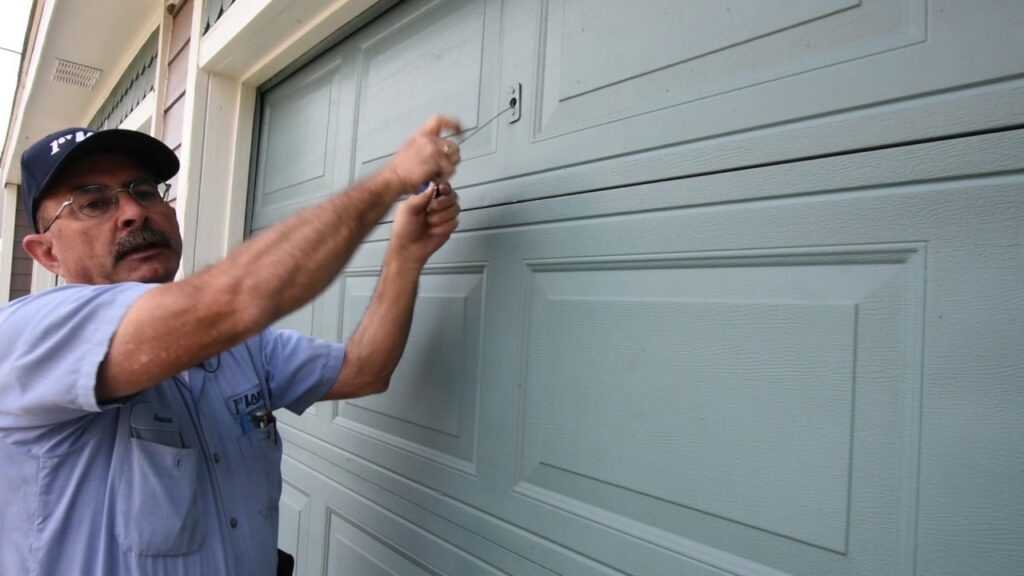
Imagine this: your power goes out during a storm, or your garage door opener suddenly stops working. You’re standing outside with your car inside, wondering can you manually open a garage door from the outside? It’s a stressful situation that many homeowners face, but the good news is that most modern garage doors are designed with manual override features precisely for these emergencies.
Understanding how to safely bypass your automatic opener isn’t just convenient—it’s essential knowledge every homeowner should have. Whether you’re dealing with a power outage, mechanical failure, or simply want to know your options, this comprehensive guide will walk you through everything you need to know about manually operating your garage door from the exterior.
Understanding Your Garage Door System
Before attempting any manual operation, it’s crucial to understand what type of garage door system you have. Most residential garage doors in the United States use one of two main mechanisms: torsion spring systems or extension spring systems. According to the International Door Association, over 90% of modern garage doors use torsion springs mounted above the door opening.
Your garage door likely weighs between 150-400 pounds, depending on the material and size. This significant weight is why proper technique and safety precautions are absolutely essential when attempting manual operation.
Key Components You Should Know
- Emergency Release Cord: Usually red, hanging from the opener trolley
- Locking Mechanism: Manual locks or automatic locking bars
- Springs: Counterbalance the door’s weight
- Tracks and Rollers: Guide the door’s movement
Method 1: Using the Emergency Release Cord
The most common and safest way to manually open your garage door involves the emergency release mechanism. Here’s how to do it properly:
Step-by-Step Instructions
- Locate the Release Cord: Look for a red cord hanging from the center of your garage door opener rail, typically 6-8 feet above ground level.
- Pull Down Firmly: Grasp the handle and pull straight down with moderate force. You should hear a clicking sound as the trolley disengages from the opener.
- Lift the Door Carefully: Once disconnected, grasp the bottom edge of the door with both hands. Lift smoothly and steadily—don’t jerk or rush.
- Secure the Door: If you need the door to stay open, use a C-clamp or locking pliers on the track below the bottom roller to prevent accidental closing.
Important Safety Note: The door will feel much heavier without the opener’s assistance. If you cannot lift it comfortably, stop immediately and call a professional.
Method 2: External Key Lock Override
Many garage doors come equipped with an external key lock, usually located on the right side of the door. This feature provides direct manual access without entering the garage.
How to Use the Key Lock
- Insert your garage door key into the exterior lock cylinder
- Turn clockwise (usually) to unlock the manual release
- Pull the T-handle outward to disengage the locking mechanism
- Lift the door manually using both hands
This method is particularly useful when you don’t have access to the interior of the garage or when the emergency release cord is unreachable.
Method 3: Bypassing Smart Lock Systems
For newer homes with smart garage door openers, the process may differ slightly. Many smart systems include battery backup features or manual override options.
Smart System Considerations
| Feature | Traditional Opener | Smart Opener |
|---|---|---|
| Battery Backup | Rare | Common |
| App Control | No | Yes |
| Manual Override | Emergency cord only | Multiple options |
| Remote Access | Limited | Full smartphone control |
If your smart opener has a battery backup, it may continue functioning during short power outages. Check your manufacturer’s manual for specific override procedures.
Safety Precautions You Must Follow
Attempting to manually open a garage door carries inherent risks. Follow these critical safety guidelines:
Essential Safety Rules
- Never attempt if springs appear damaged: Broken springs store enormous energy and can cause serious injury
- Use proper lifting technique: Bend at the knees, keep your back straight, and lift with your legs
- Ensure clear pathways: Remove obstacles from the door’s path before lifting
- Work with a partner: Having someone assist reduces strain and increases safety
- Wear protective gloves: Prevent splinters and improve grip
Warning Signs to Stop Immediately
If you notice any of these conditions, cease operations and contact a professional:
- Unusual grinding or scraping sounds
- Visible damage to cables, springs, or tracks
- Door feels excessively heavy or unbalanced
- Springs appear stretched, broken, or loose
When Professional Help Is Necessary
While knowing how to manually open your garage door is valuable, certain situations require expert intervention:
Call a Professional If:
- Spring damage is visible: Torsion and extension springs are under extreme tension and dangerous to handle
- Cables are frayed or broken: These support significant weight and can snap unexpectedly
- Door is off-track: Attempting to force a misaligned door can cause further damage
- You lack physical strength: Garage doors are heavy; don’t risk injury
According to industry statistics, garage door-related injuries send approximately 30,000 people to emergency rooms annually in the United States. Many of these incidents involve improper DIY repairs or unsafe manual operation attempts.
Preventive Maintenance Tips
Regular maintenance can prevent many situations requiring manual door operation:
Monthly Checks
- Test the emergency release mechanism monthly to ensure it functions properly
- Lubricate rollers, hinges, and tracks with silicone-based lubricant
- Inspect cables and springs for wear or damage
- Clean tracks of debris and dirt buildup
Annual Professional Service
Schedule yearly inspections with a certified technician. They can identify potential problems before they become emergencies and ensure all safety features function correctly.
Frequently Asked Questions
Q: Can I manually open my garage door if the springs are broken?
A: No, you should never attempt to manually operate a garage door with broken springs. The springs counterbalance the door’s weight, and without them, the door becomes extremely heavy and dangerous. The sudden release of tension from broken springs can also cause severe injury. Always call a professional garage door technician for spring repairs.
Q: How do I reconnect my garage door to the opener after manual operation?
A: To reconnect, simply pull the emergency release cord toward the motor unit until you hear it click back into place. Then operate your opener normally—the door should re-engage automatically. Test it by opening and closing once to ensure proper connection.
Q: Is it legal to manually open someone else’s garage door?
A: No, manually opening another person’s garage door without permission constitutes trespassing and potentially burglary, regardless of whether you use force or not. Only attempt manual operation on your own property or with explicit owner permission in emergency situations.
Q: Will manually opening my garage door void the warranty?
A: Generally, no. Using the emergency release mechanism as designed won’t void your warranty. However, forcing the door, damaging components, or attempting repairs beyond the emergency release could affect warranty coverage. Always follow manufacturer guidelines and document any issues.
Q: Can weather affect my ability to manually open the door?
A: Yes, extreme temperatures can impact operation. Cold weather may cause metal components to contract and stick, while humidity can cause wooden doors to swell. In winter, apply extra lubricant to moving parts and allow additional time for gentle operation. Ice buildup on tracks should be carefully removed before attempting operation.
Q: What if my garage door doesn’t have an emergency release cord?
A: Older garage doors may lack this feature. In such cases, look for an external key lock or consult your owner’s manual for alternative manual override methods. If no manual override exists, consider upgrading to a modern opener with emergency release capabilities for safety reasons.
Conclusion
So, can you manually open a garage door from the outside? Absolutely yes—and now you know exactly how to do it safely and effectively. Whether you’re using the emergency release cord, external key lock, or smart system override, understanding these methods empowers you to handle unexpected situations confidently.
Remember, safety always comes first. If anything feels wrong or beyond your comfort level, don’t hesitate to call a professional. Regular maintenance and annual inspections will minimize the need for emergency manual operation while ensuring your garage door system remains reliable for years to come.
Found this guide helpful? Share it with friends and family who might benefit from knowing how to manually operate their garage doors. Stay safe, stay prepared, and keep your home secure!
Leave a Reply