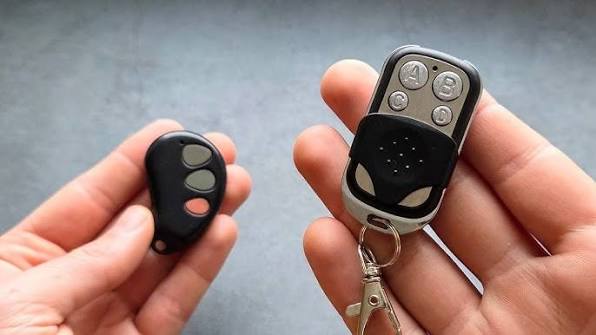
Losing your garage remote or needing an extra one for a family member is a common and frustrating hassle. You might be wondering, can you make a copy of a garage door opener without hiring an expensive professional? The good news is that duplicating your remote is often simple, safe, and highly affordable when you follow the right steps.
This comprehensive guide will walk you through everything you need to know about cloning your garage remote, ensuring your home remains secure while saving you time and money.
Can You Make a Copy of a Garage Door Opener? Understanding the Basics
The short answer is yes. However, the method depends entirely on the technology inside your current remote.
A garage door opener is a motorized device that opens and closes a garage door, typically controlled by handheld radio frequency (RF) transmitters
en.wikipedia.org. When you press a button, the remote sends a specific radio signal to the motor unit.
To successfully duplicate this signal, you must first identify whether your system uses a Fixed Code or a Rolling Code. Attempting to clone the wrong type will result in a non-functional remote and unnecessary frustration.
Fixed Code vs. Rolling Code: What’s the Difference?
Understanding your remote’s security protocol is the most critical step in the cloning process. Here is a quick comparison to help you identify your system.
| Feature | Fixed Code Remotes | Rolling Code Remotes |
|---|---|---|
| Technology Age | Older (Pre-1990s to early 2000s) | Modern (Mid-1990s to Present) |
| Identification | Uses physical DIP switches inside the battery compartment. | Has a “Learn” or “Smart” button on the motor unit. |
| Security Level | Low. The signal never changes. | High. Generates a new code every time it is used. |
| Cloning Method | Easy. Can be copied using a basic universal cloner. | Moderate. Requires syncing directly with the motor unit. |
Expert Insight: According to home security experts, modern rolling code technology prevents thieves from using scanning devices to replicate your garage door opener signal by generating a new, encrypted code each time it is used
www.thegaragedoorhero.com. Conversely, older fixed-code systems remain vulnerable to “replay attacks,” where a basic RF scanner can capture and duplicate the signal in seconds.
How to Clone a Garage Door Remote: Step-by-Step Tutorial
Below are the precise, step-by-step instructions for both types of remotes. Follow these concrete steps carefully for a successful clone.
Method 1: Cloning a Fixed Code Remote (DIP Switches)
This method requires a universal “copy” remote and your original, working remote.
- Prepare the Remotes: Open the battery compartment of both your original remote and the new universal remote.
- Locate the Switches: Find the row of 8 to 12 tiny DIP switches inside both devices.
- Match the Pattern: Carefully replicate the exact “Up” or “Down” position of every single switch from the original remote to the new one. Precision is mandatory; a single mismatched switch will cause failure.
- Power Up: Insert fresh batteries (typically a 12V A23 battery) into the new remote.
- Test the Signal: Stand exactly 10 feet away from the garage door and press the button. The door should activate immediately.
Method 2: Programming a Rolling Code Remote
True “cloning” of a rolling code signal is generally not possible due to encryption. Instead, you must enroll the new remote into the motor unit’s memory.
- Locate the Learn Button: Find the “Learn,” “Smart,” or “Program” button on your garage door motor unit (usually on the back panel, near the hanging antenna wire).
- Clear the Indicator: Press and hold the “Learn” button for 2–3 seconds until the adjacent LED indicator light turns off or blinks, clearing old temporary memory.
- Initiate Pairing: Press the “Learn” button once more briefly. The LED will illuminate steadily, indicating it is in pairing mode.
- Sync the Remote: Within 30 seconds, press and hold the desired button on your new universal remote for 3–5 seconds.
- Confirm Success: Release the remote button when the motor unit’s light flashes or you hear a distinct click.
- Final Test: Step back 15 feet and test the remote to ensure optimal signal transmission and range.
Pros and Cons of Cloning Your Garage Door Remote
Before you begin, weigh the advantages and limitations of duplicating your device.
✅ The Pros:
- Cost-Effective: A universal clonable remote typically costs between $10 and $25, compared to $30–$50+ for a brand-specific OEM remote.
- Immediate Availability: You can purchase universal remotes at local hardware stores or online, avoiding dealer wait times.
- Convenience: Perfect for creating spare remotes for multiple drivers or keeping one in a secondary vehicle.
❌ The Cons:
- Compatibility Limits: Some high-security rolling code systems (like certain older LiftMaster or Chamberlain models) may reject third-party universal remotes.
- Original Required: Most basic cloning devices strictly require the original working remote to capture the signal www.amazon.com.
- Interference Risks: If not programmed correctly, the new remote may suffer from signal interference or limited range.
Troubleshooting Common Cloning Issues
Even with careful steps, things can go wrong. Here is how to fix the most frequent problems:
- Remote Not Responding: Verify the battery voltage. A fresh A23 battery should read exactly 12V. Weak batteries are the number one cause of cloning failure.
- Signal Interference: LED light bulbs or Wi-Fi routers near the motor unit can cause 315 MHz or 390 MHz signal interference. Try operating the remote from 5 feet away from other electronics.
- Motor Memory Full: Most garage openers can store 15 to 30 remote codes. If your system is full, it will reject new devices. You must clear the motor’s memory by holding the “Learn” button for 10+ seconds until the LED turns off, then reprogram all your remotes.
- Upgrading Old Systems: If your fixed-code system is too old, consider installing a Universal Dual Frequency Remote Conversion/Upgrade Kit to modernize your security and use modern remotes www.subaruoutback.org.
Frequently Asked Questions (FAQ)
1. Can someone copy my garage door opener without my knowledge?
Yes, if you have an older fixed-code system, it is vulnerable to “code grabbing” or replay attacks. Upgrading to a rolling code system or adding a security shield significantly mitigates this risk
garagedoorservicemasters.com.
2. Can I clone a garage door remote without the original remote?
Generally, no. Most standalone cloning devices require the original working remote to capture and duplicate the RF signal
www.amazon.com. If your original is lost, you must purchase a new universal remote and program it directly to the motor unit using the “Learn” button.
3. How much does it cost to duplicate a garage door remote?
A high-quality universal clonable remote typically costs between $10 and $25. In contrast, buying a brand-specific OEM remote directly from a dealer or manufacturer can cost $30 to $50 or more, plus potential service fees.
4. Will cloning my remote erase the old one?
No. Programming or cloning a new remote does not erase the old one. The only way to erase all remotes is to explicitly press and hold the motor unit’s “Learn” button for 10 or more seconds, which wipes the entire memory bank.
5. Can I use my smartphone to copy a garage door opener?
Smartphones cannot directly “clone” RF signals. However, you can install a smart garage hub (like MyQ or a similar Wi-Fi-enabled controller) that connects directly to your motor unit, allowing you to open and close the door via a smartphone app.
Conclusion
So, can you make a copy of a garage door opener? Absolutely. By identifying whether you have a fixed-code or rolling-code system, you can confidently choose the right duplication method. Cloning your remote is a straightforward, budget-friendly process that restores convenience and ensures every family member has reliable access to your home.
Always prioritize security by upgrading older fixed-code systems to modern rolling-code technology whenever possible.
Found this guide helpful? Share this article with your friends and family on Facebook or X (Twitter) to help them secure their smart homes and save money on their next garage remote replacement!
Leave a Reply