Introduction
Locked out of your garage and wondering, can you lift a garage door manually from the outside? You are not alone; power outages, dead remote batteries, or broken openers cause this stressful situation for millions of US homeowners every year. Fortunately, with the right knowledge and a few basic safety precautions, you can safely bypass the motor and open it by hand without causing any damage.
Can You Lift a Garage Door Manually From the Outside? A Step-by-Step Guide
Yes, you absolutely can, provided the door’s counterbalance system is functioning correctly. Modern garage doors are designed with a manual override feature specifically for emergencies. However, doing it safely requires a methodical approach to prevent injury or mechanical damage.
Follow these concrete steps to lift your door safely:
- Clear the Area: Ensure there are no people, pets, or obstacles within a 3-foot radius of the door.
- Access the Release Mechanism: If you are locked out, you may need a sturdy stepladder (at least 6 feet tall) to reach the emergency release cord through a small gap at the top of the door, or use a specialized garage door release tool.
- Pull the Release Cord: Locate the red handle attached to the emergency release rope. Pull it down and toward the garage interior with a firm, steady force of about 10–15 pounds. You will hear a distinct “click” as the trolley disengages from the opener carriage.
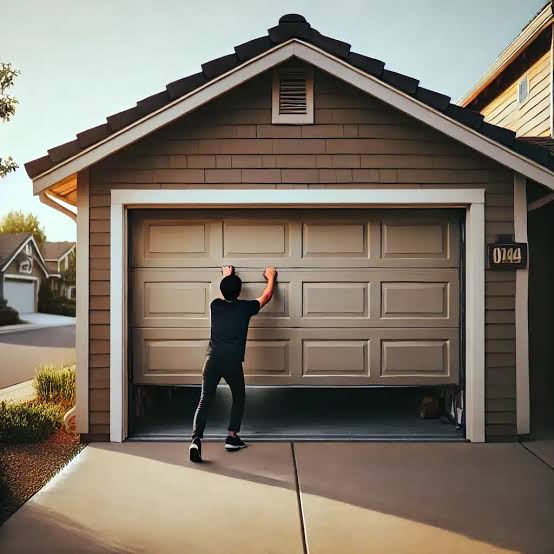
- Lift the Door: Stand squarely in front of the door. Place your hands on the bottom panel, bend your knees, and lift using your leg muscles—not your back. Use a smooth, steady motion.
- Secure the Door: Once fully open, engage the manual locking bar (if equipped) or use locking pliers on the track just below a roller to prevent the door from accidentally sliding shut.
What Tools Do You Need for a Safe Manual Lift?
You do not need a professional toolkit, but having the right items makes the process significantly safer and easier. Keep these handy:
- Sturdy Stepladder: A 6-foot fiberglass or aluminum ladder provides safe reach to the release mechanism.
- Heavy-Duty Work Gloves: Protects your hands from sharp metal edges, dirt, and pinching hazards.
- High-Lumen Flashlight: Essential for visibility if the power is out or if you are accessing the mechanism in low light.
- Locking Pliers (Vise-Grips): Useful for temporarily clamping the track below a roller to hold the door open securely.
- Garage Door Release Tool: A long, hooked wire tool designed to pull the release cord from the outside through a top gap, saving you from ladder use.
Garage Door Weight: How Heavy Is It Really?
Understanding the weight of your door is crucial for setting realistic expectations and ensuring physical safety. A garage door is not just a slab of wood or metal; it is a complex, heavy mechanical system.
According to industry standards, the average weights are:
- Single-Car Steel Door: 130–150 lbs (59–68 kg)
- Double-Car Steel Door: 200–250 lbs (90–113 kg)
- Single-Car Wood Door: 250–300 lbs (113–136 kg)
- Double-Car Wood Door: 350–400+ lbs (158–181+ kg)
Fortunately, you are not lifting this entire weight. As noted in the comprehensive technical overview of garage doors on Wikipedia, the counterbalance system (utilizing high-tension torsion or extension springs) neutralizes the door’s dead weight. When properly balanced, a garage door should require only 10 to 20 pounds of force to lift manually. If it feels significantly heavier, stop immediately, as the springs may be broken or improperly calibrated.
Manual Lift vs. Automatic Opener: A Quick Comparison
| Feature | Manual Lift | Automatic Opener |
|---|---|---|
| Convenience | Low (Requires physical effort and access) | High (Operated via remote or smartphone) |
| Speed | Slow (15–30 seconds to fully open) | Fast (5–10 seconds to fully open) |
| Power Outage Reliability | 100% Reliable (Does not depend on electricity) | Fails (Unless backed up by a battery system) |
| Maintenance Needs | Low (Occasional track cleaning and lubrication) | Moderate (Motor checks, sensor alignment, spring tuning) |
| Safety Risk | Moderate (Risk of back strain or pinching if rushed) | Low (Equipped with auto-reverse safety sensors) |
Risks of Lifting a Garage Door Manually (And How to Avoid Them)
While the process is straightforward, ignoring safety protocols can lead to severe injuries or costly repairs. Here is how to mitigate the most common risks:
- Risk 1: Spring Failure. Garage door springs are under extreme tension. Never attempt to adjust, repair, or touch the springs yourself. A snapped spring can cause the door to crash down or send metal shrapnel flying. Leave spring work to certified professionals.
- Risk 2: Back Injury. Lifting a 200-pound object incorrectly is a primary cause of household back injuries. Always keep your back straight, bend at the knees, and lift with your legs.
- Risk 3: Door Collapse. If the door is unbalanced, it may fall unexpectedly. Keep your fingers and hands clear of the hinges and rolling sections while lifting. Never stand directly under a partially open, unsupported door.
Frequently Asked Questions (FAQ)
Q1: Can I lift any garage door manually from the outside?
A: Yes, virtually all sectional garage doors with a standard automatic opener can be lifted manually. However, if the door has a broken spring or a damaged track, it may be too heavy or unsafe to lift. In such cases, do not force it; call a professional technician.
Q2: Will lifting my garage door manually damage the opener?
A: No, not if you use the emergency release cord correctly. Pulling the red cord disengages the trolley from the opener’s drive mechanism, allowing the door to move independently. Forcing the door up without pulling the release cord, however, can strip the opener’s gears and cause severe damage.
Q3: How do I lock the garage door after lifting it manually?
A: Most modern garage doors feature a manual T-handle lock on the inside. Once the door is open, slide the locking bar into the horizontal track to secure it. If your door lacks this feature, you can clamp a pair of locking pliers onto the vertical track just beneath the bottom roller to prevent it from sliding down.
Q4: What should I do if the garage door is too heavy to lift?
A: If the door requires more than 20 pounds of effort to lift, the counterbalance system has failed. Do not attempt to lift it. A door without spring assistance is dangerously heavy and can fall without warning. Contact a licensed garage door repair service immediately.
Q5: Can I re-engage the automatic opener after a manual lift?
A: Absolutely. Once the power is restored or the opener is fixed, simply lower the door completely to the ground. Then, pull the emergency release cord toward the motor unit until you hear a firm “click.” This reconnects the trolley to the opener carriage. Test it by pressing the wall button to ensure smooth operation.
Conclusion
Knowing can you lift a garage door manually from the outside is more than just a trivia fact; it is an essential home maintenance skill that can save you from being stranded during a power outage or opener malfunction. By understanding your door’s weight, using the emergency release correctly, and prioritizing safety, you can handle this task with confidence and ease.
Remember, your safety always comes first. If the door feels unusually heavy or the springs look damaged, step back and call a professional.
Found this guide helpful? Share it with your friends, family, or neighbors on social media so they can be prepared for their next garage door emergency!
Leave a Reply