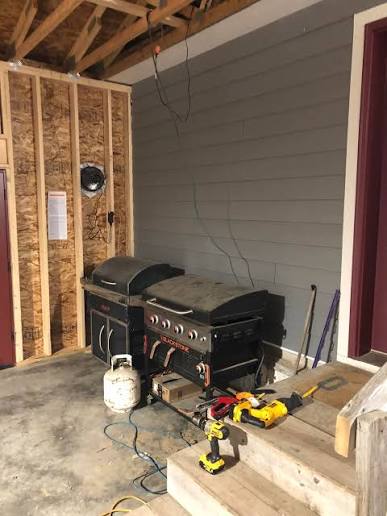
Have you ever stared at a raging storm outside, rain lashing against the windows, and thought about firing up your charcoal grill in the garage instead? It is a tempting idea, especially when you want to protect your meal from the elements while still enjoying that smoky flavor. However, before you drag your Weber or Traeger inside, you need to ask the critical question: can you grill in a garage with the door open? The short answer is a resounding no, and understanding why could save your life.
The Hidden Dangers of Indoor Grilling
Many homeowners assume that opening the garage door provides enough ventilation to make grilling safe. This is a dangerous misconception. Whether you are using charcoal, propane, or wood pellets, the combustion process produces byproducts that are lethal in enclosed spaces.
Carbon Monoxide: The Silent Killer
The primary reason experts universally advise against garage grilling is carbon monoxide (CO). This odorless, colorless gas is produced whenever fuel is burned. In an open outdoor environment, CO dissipates quickly into the atmosphere. Inside a garage, even with the door open, it can accumulate to toxic levels rapidly.
According to the Centers for Disease Control and Prevention, carbon monoxide poisoning causes hundreds of deaths and thousands of emergency room visits annually in the United States. Symptoms often mimic the flu—headache, dizziness, weakness, upset stomach, vomiting, chest pain, and confusion. By the time you realize something is wrong, you may be too disoriented to escape.
Fire Hazards and Structural Risks
Beyond air quality, grilling in a garage introduces significant fire risks. Garages are typically filled with flammable materials such as:
- Gasoline and motor oil
- Paint thinners and solvents
- Cardboard boxes and paper storage
- Wooden shelving and drywall
A single stray spark from a charcoal chimney or a grease flare-up from a gas grill can ignite these materials instantly. Unlike an outdoor patio, a garage has limited escape routes for heat and smoke, leading to rapid temperature spikes and potential structural damage.
Why “Door Open” Is Not Enough Ventilation
You might argue, “But I’ll keep the big garage door wide open!” While this improves airflow compared to a closed door, it does not create a safe environment for active combustion.
Airflow Dynamics Explained
Ventilation requires consistent cross-breezes to effectively remove hazardous gases. A garage typically has only one large opening (the door). Without a second opening on the opposite side, air stagnates. The heavy CO gas can settle in low areas or get trapped in corners, creating pockets of high concentration even near the entrance.
| Factor | Outdoor Grilling | Garage Grilling (Door Open) |
|---|---|---|
| Air Circulation | 360-degree dispersion | Limited, unidirectional flow |
| CO Accumulation | Negligible | High risk in stagnant zones |
| Fire Spread Risk | Low (non-flammable ground) | High (nearby stored items) |
| Heat Dissipation | Immediate | Trapped, raising ambient temp |
Expert Consensus on Safety Zones
Fire safety professionals recommend maintaining a minimum clearance of 10 feet from any structure when grilling. This includes walls, overhangs, and flammable surfaces. A garage interior, regardless of door position, violates this fundamental safety buffer. The National Fire Protection Association (NFPA) explicitly states that grills should always be used outdoors, away from siding, deck railings, and eaves.
Comparing Grill Types: Are Any Safe for Garages?
Some enthusiasts wonder if certain grill technologies are safer than others. Let’s break down the risks associated with common grill types.
Charcoal Grills
Charcoal grills produce the highest levels of carbon monoxide and particulate matter. They also generate intense radiant heat that can damage garage ceilings and walls. Verdict: Extremely dangerous. Never use in a garage.
Propane (Gas) Grills
While propane burns cleaner than charcoal, it still produces CO. Additionally, propane tanks pose an explosion risk if exposed to high heat or if there is a leak in an enclosed space. Verdict: Unsafe. The risk of gas accumulation and ignition is too high.
Electric Grills
Electric grills do not produce carbon monoxide since they use heating elements rather than combustion. However, they still generate significant heat and smoke from food drippings. Using them in a garage can trigger smoke alarms and leave lingering odors in your car and storage items. Verdict: Technically possible but not recommended due to smoke and heat issues.
Pellet Grills
Pellet grills use electricity to feed wood pellets into a fire pot. While they are more controlled, they still involve actual combustion of wood. They produce CO and require proper exhaust ventilation that a garage cannot provide. Verdict: Unsafe for indoor or garage use.
Safer Alternatives for Bad Weather Grilling
If the weather is terrible, you don’t have to sacrifice your BBQ plans. Here are some safe and effective alternatives to garage grilling.
1. Use a Grill Gazebo or Canopy
Invest in a sturdy, fire-resistant grill gazebo. These structures provide shelter from rain and snow while maintaining open sides for proper ventilation. Ensure the canopy material is rated for high heat and keep the grill centered to avoid contact with the fabric.
2. Create a Covered Patio Setup
If you have a covered porch or patio, ensure it is well-ventilated on at least three sides. Use fans to encourage airflow away from your seating area. Always keep a fire extinguisher nearby.
3. Switch to Indoor Cooking Methods
For days when outdoor grilling is impossible, consider these indoor-friendly techniques that mimic grilled flavors:
- Cast Iron Skillet: Preheat a cast iron skillet until smoking hot to get a perfect sear on steaks or burgers.
- Broiler: Use your oven’s broiler setting to cook meat from above, mimicking the direct heat of a grill.
- Grill Pan: A ridged grill pan allows fat to drain away while creating char marks on your food.
- Smoked Paprika & Liquid Smoke: Add these ingredients to your marinades to replicate that smoky BBQ taste without the actual smoke.
Step-by-Step: How to Set Up a Safe Outdoor Grilling Station in Rain
- Choose a Location: Select a flat, stable surface at least 10 feet from your house and garage.
- Install Shelter: Set up a pop-up canopy or permanent pergola with an open design.
- Check Wind Direction: Position the grill so wind blows smoke away from your home’s windows and doors.
- Prepare Safety Gear: Keep a Class B fire extinguisher and a bucket of sand nearby.
- Light the Grill: Use long-handled tools and wear heat-resistant gloves.
- Monitor Constantly: Never leave a lit grill unattended, especially in windy or wet conditions.
Frequently Asked Questions
Q: Can I use an electric grill in my garage?
A: While electric grills do not produce carbon monoxide, they are not ideal for garage use. They generate significant heat and smoke from cooking fats, which can linger in your garage, stain your car, and trigger smoke detectors. It is safer to use them in a well-ventilated kitchen or on an open patio.
Q: What if I only grill for 10 minutes?
A: Even short bursts of grilling can produce dangerous levels of carbon monoxide. CO builds up quickly in enclosed spaces, and exposure to high concentrations for just a few minutes can cause loss of consciousness or death. There is no “safe” duration for grilling in a garage.
Q: Does installing a fan in the garage make it safe?
A: No. A standard garage fan does not provide sufficient air exchange to remove carbon monoxide and other combustion byproducts safely. Industrial-grade ventilation systems would be required, which are impractical for residential garages. It is still unsafe.
Q: Can I store my propane tank in the garage?
A: It is generally recommended to store propane tanks outdoors in a well-ventilated, upright position. Storing them in a garage increases the risk of gas accumulation if there is a slow leak, especially during temperature fluctuations. Check local fire codes for specific regulations in your area.
Q: What are the signs of carbon monoxide poisoning?
A: Early symptoms include headache, dizziness, nausea, and confusion. As exposure continues, symptoms can progress to vomiting, chest pain, and loss of consciousness. If you suspect CO poisoning, move to fresh air immediately and call emergency services.
Q: Is it safe to grill under a wooden deck?
A: No. Grilling under a wooden deck is a major fire hazard. Heat and sparks can ignite the wood above, and the enclosed space traps smoke and CO. Always grill in an open area away from overhead structures.
Conclusion
So, can you grill in a garage with the door open? The answer remains a firm no. The risks of carbon monoxide poisoning, fire, and structural damage far outweigh the convenience of staying dry. Your health and safety are too valuable to compromise for a single meal.
Instead, invest in proper outdoor shelter like a gazebo or adapt your cooking methods for indoor use. By following these safety guidelines, you can enjoy delicious grilled food year-round without putting yourself or your family in danger.
If you found this guide helpful, please share it with your friends and fellow BBQ enthusiasts on social media. Spreading awareness about grill safety can help prevent accidents and keep our communities safe. Happy and safe grilling!
Leave a Reply