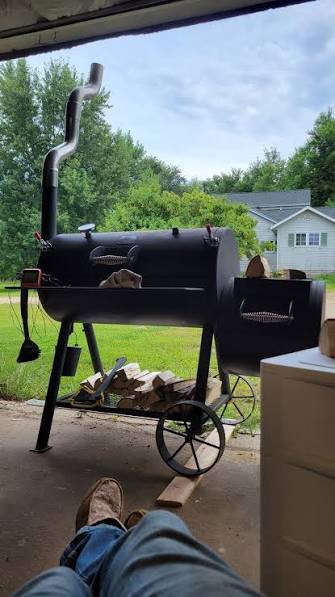
Have you ever stared at a rainy sky or shivered in the cold, desperately wanting to fire up your barbecue but feeling trapped by the weather? It is a common dilemma for many homeowners who love to cook outdoors but lack a covered patio. You might find yourself asking, “Can I grill in my garage with the door open?” hoping that fresh air will make it safe.
The short answer is no. Even with the garage door wide open, grilling inside your garage poses severe life-threatening risks due to carbon monoxide buildup and fire hazards. This article will explain exactly why this practice is dangerous, what experts say, and how you can safely enjoy grilling regardless of the weather.
Why Grilling in the Garage Is Dangerous Even With Ventilation
Many people assume that opening the garage door creates enough airflow to dissipate smoke and fumes. However, this is a dangerous misconception. Garages are semi-enclosed spaces that do not offer the same ventilation as an open outdoor area.
The Silent Killer: Carbon Monoxide (CO)
The primary danger of grilling indoors or in a garage is carbon monoxide (CO). This colorless, odorless gas is produced when fuels like charcoal, propane, or wood burn incompletely. According to the Centers for Disease Control and Prevention, carbon monoxide poisoning causes hundreds of deaths and thousands of emergency room visits annually in the United States.
When you grill in a garage, even with the door open:
- CO can accumulate rapidly in the upper corners of the garage.
- Wind patterns may blow fumes back into the garage rather than out.
- CO can seep into your home through shared walls, doors, or HVAC systems.
Unlike smoke, which you can see and smell, CO is undetectable without a specialized alarm. By the time you feel symptoms like headaches, dizziness, or nausea, it may be too late to escape safely.
Fire Hazards and Structural Risks
Beyond toxic fumes, grilling in a garage introduces significant fire risks. Most garages store flammable materials such as:
- Gasoline and motor oil
- Paint thinners and solvents
- Cardboard boxes and paper
- Wooden shelves and tools
A single spark from a charcoal grill or a flare-up from a gas grill can ignite these materials instantly. Furthermore, the intense heat from a grill can damage drywall, melt plastic storage bins, and compromise the structural integrity of your garage ceiling.
What Do Safety Experts Say About Indoor Grilling?
Major safety organizations uniformly advise against using outdoor grills in enclosed or semi-enclosed spaces. Let’s look at what the experts recommend.
Guidelines from the National Fire Protection Association (NFPA)
The NFPA explicitly states that charcoal and gas grills should only be used outdoors in well-ventilated areas. They emphasize that “well-ventilated” means open space, not a garage with an open door. Their data shows that a significant percentage of home structure fires involving grills occur on patios, porches, or balconies—areas that are still more ventilated than a garage.
Manufacturer Warnings
Every major grill manufacturer, including Weber, Char-Broil, and Traeger, includes clear warnings in their user manuals. These warnings typically state:
“WARNING: Never use this appliance indoors or in any enclosed or partially enclosed area, including garages, breezeways, or tents.”
Ignoring these warnings not only puts your life at risk but also voids your warranty and may invalidate your home insurance policy in the event of a fire.
People Also Ask: Common Questions About Garage Grilling
To help you understand the nuances of this topic, let’s address specific questions that many homeowners have.
1. Is it safe to use an electric grill in the garage?
Electric grills are generally safer than charcoal or propane grills because they do not produce carbon monoxide. However, they are not entirely risk-free in a garage setting.
Considerations for Electric Grills:
- Ventilation: While they don’t produce CO, they still generate heat and some smoke from cooking fats. Ensure adequate airflow.
- Electrical Safety: Garages often have outdated wiring. Using a high-wattage appliance like an electric grill can overload circuits or cause sparks if the outlet is not GFCI-protected.
- Fire Risk: Grease buildup on electric elements can still catch fire.
If you must use an electric grill in the garage, ensure the space is clean of flammables, the outlet is grounded, and you never leave it unattended. However, outdoor use is still preferred.
2. Can I grill in my garage if I install an exhaust fan?
Installing an industrial-grade exhaust fan might seem like a solution, but it is rarely sufficient for safe grilling. Most residential garage fans are designed for general air circulation, not for removing the high volume of heat, grease particles, and potential CO produced by grilling.
To effectively vent a grill, you would need a commercial-grade hood system similar to those in restaurants, which is impractical and expensive for most homeowners. Therefore, relying on a standard exhaust fan is not recommended.
3. What about using a pellet grill in the garage?
Pellet grills use wood pellets and electricity. While they burn cleaner than charcoal, they still produce carbon monoxide and smoke. The same rules apply: do not use them in a garage. The combination of electrical components and combustible fuel makes them hazardous in enclosed spaces.
4. Is it safe to grill on my covered porch instead?
A covered porch is safer than a garage but still carries risks. Ensure that:
- The porch is open on at least two sides for cross-ventilation.
- The grill is placed at least 10 feet away from your home’s exterior walls.
- There are no overhead flammable materials (like wooden beams or hanging plants) directly above the grill.
Always check your local fire codes, as some municipalities have specific regulations about grilling on attached structures.
Safer Alternatives for All-Weather Grilling
If you love grilling but hate dealing with bad weather, consider these safer alternatives that allow you to cook outdoors without risking your health.
1. Invest in a Grill Gazebo or Canopy
A dedicated grill gazebo provides shelter from rain and sun while maintaining open sides for proper ventilation. Look for models made with fire-resistant materials and ensure they are anchored securely.
| Feature | Grill Gazebo | Garage Grilling |
|---|---|---|
| Ventilation | Excellent (Open sides) | Poor (Even with door open) |
| CO Risk | Low | High |
| Fire Risk | Moderate (Manageable) | High |
| Cost | $200–$800 | Free (but risky) |
| Safety Rating | Safe | Unsafe |
2. Use a Patio Heater
If cold weather is your main concern, a patio heater can extend your grilling season. Place the heater away from the grill and seating areas to create a warm zone without interfering with your cooking.
3. Try Indoor-Safe Appliances
For days when going outside is impossible, consider using indoor-safe cooking appliances:
- Indoor Electric Grills: Devices like George Foreman grills or contact grills are designed for indoor use.
- Cast Iron Skillets: Achieve a similar sear to grilling by using a heavy cast iron skillet on your stovetop.
- Oven Broiling: Use your oven’s broiler function to mimic the high heat of a grill. Place meat on a broiler pan to allow fat to drip away.
Step-by-Step Guide to Setting Up a Safe Outdoor Grilling Station
If you decide to move your grilling setup out of the garage, follow these steps to create a safe and enjoyable outdoor kitchen.
- Choose the Right Location: Select a flat, stable surface at least 10 feet away from your house, deck rails, and overhanging branches. Avoid high-traffic areas where children or pets play.
- Prepare the Surface: Use concrete pavers or a dedicated grill mat to protect your patio or deck from grease stains and heat damage.
- Install Proper Lighting: Ensure your grilling area is well-lit for evening cooks. Use solar-powered lights or weatherproof LED fixtures.
- Keep Safety Gear Nearby: Always have a fire extinguisher (Class B for grease fires) and a bucket of sand or baking soda within arm’s reach. Never use water on a grease fire.
- Store Fuel Safely: Keep propane tanks and charcoal bags in a cool, dry, well-ventilated area away from direct sunlight and heat sources.
Conclusion
So, can I grill in my garage with the door open? The answer remains a firm no. The risks of carbon monoxide poisoning and fire far outweigh the convenience of staying dry. Your health and safety are too valuable to gamble on inadequate ventilation.
Instead, invest in safer alternatives like a grill gazebo, patio heaters, or indoor-friendly cooking appliances. These options allow you to enjoy your passion for grilling year-round without putting yourself or your family in danger.
If you found this guide helpful, please share it with your friends and family on social media. Spreading awareness about garage grilling safety could save a life. Stay safe, and happy grilling!
Leave a Reply