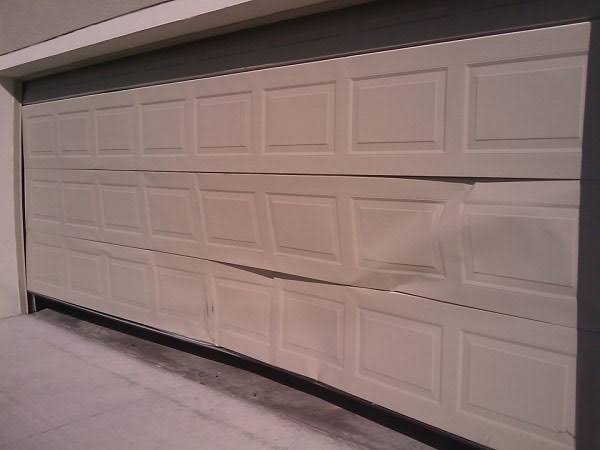
Has a rogue basketball or an accidental car bump ruined your home’s curb appeal? Many frustrated homeowners ask, “Can You Fix A Dent In A Garage Door?” and the good news is that you often can without replacing the entire panel!
Can You Fix A Dent In A Garage Door Yourself?
The short answer is yes, you can absolutely fix a dent in a garage door yourself, provided the damage is mostly cosmetic. Minor dents and dings are incredibly common, especially in households with active children or tight driveways.
However, the success of your DIY repair depends heavily on the severity of the damage and the material of your door. Shallow creases are highly fixable, while sharp, deep folds might compromise the structural integrity of the panel.
To help you decide the best route, let’s look at a quick comparison of DIY repairs versus professional help:
| Feature | DIY Repair | Professional Replacement |
|---|---|---|
| Cost | Under $50 | $250 – $800+ |
| Time Required | 1 – 2 hours | 2 – 4 hours |
| Skill Level | Beginner to Intermediate | Expert |
| Best For | Minor, shallow dents | Deep creases, structural damage |
What Materials Are Easiest to Repair?
Before grabbing your tools, you need to identify your door’s material. Steel and aluminum doors are the most common and respond exceptionally well to heat and suction methods.
Fiberglass doors, on the other hand, can crack if subjected to extreme heat or aggressive pulling. Wood doors require a completely different approach, usually involving wood filler and sanding. To understand your door’s specific composition and mechanical design, you can review the basic types and materials of a garage door on Wikipedia.
Pro Tip: Always check your door’s manual or look for a manufacturer’s sticker on the inside panel to confirm the exact material before attempting any heat-based repairs.
How Do You Pop Out a Dent Using Heat?
Heat is your best friend when dealing with metal memory. Steel and aluminum naturally want to return to their original shape when exposed to high temperatures. Here is the exact step-by-step process using the boiling water method:
- Boil the Water: Heat exactly 2 liters of water until it reaches a rolling boil, which is 212°F (100°C).
- Protect Yourself: Wear thick rubber gloves to protect your hands from the scalding water.
- Pour Slowly: Carefully and slowly pour the hot water directly over the dented area. The goal is to heat the metal to at least 150°F (65°C).
- Push from Behind: Immediately reach behind the door panel (if accessible) and gently push the dent outward. Use the heel of your palm for even pressure.
- Cool Rapidly: Once the dent pops out, immediately spray the area with a can of compressed air held upside down. The extreme cold (around -40°F) will “set” the metal in its new shape.
Alternative: If you cannot access the back of the door, use a heat gun set to 200°F (93°C). Keep the gun moving in a circular motion 4 inches away from the surface, then use a specialized suction cup puller to pop the dent out.
How Do You Fix a Dent with a Plunger?
If you prefer a chemical-free approach, the plunger method is a classic, highly effective trick for shallow, wide dents.
- Buy the Right Plunger: Purchase a standard cup plunger (the basic red rubber kind). Do not use a flange plunger, as the extra rubber rim will break the suction seal.
- Create a Lubricant: Mix 1 tablespoon of liquid dish soap into 1 cup of warm water.
- Prep the Surface: Clean the dented area with a damp cloth to remove dirt. Apply the soapy water around the rim of the plunger and the dented area on the door.
- Apply Suction: Press the plunger firmly against the center of the dent to force out the air.
- Pull Steadily: Grab the handle and pull straight back toward you with steady, firm pressure. You might hear a satisfying pop! Repeat this 3 to 4 times if the dent is stubborn.
How Do You Repair a Dent with Auto Body Filler?
What if the dent refuses to pop out? For sharp dents that have stretched the metal, you will need to use auto body filler (like Bondo).
- Sand the Area: Use 80-grit sandpaper to sand the dent and the surrounding 2 inches of paint. You need to expose bare metal for the filler to adhere.
- Mix the Follower: Mix the auto body filler with the hardener according to the package instructions (usually a 1-inch strip of filler to a 1/2-inch bead of hardener).
- Apply the Filler: Use a plastic spreader to press the filler into the dent, overfilling it slightly above the surface level. Let it cure for exactly 20 to 30 minutes.
- Sand it Smooth: Once rock hard, sand it down using 120-grit sandpaper, finishing with 220-grit for a perfectly smooth surface.
- Prime and Paint: Apply an automotive primer, let it dry for 15 minutes, and then spray with a color-matched automotive paint.
When Should You Call a Professional?
While DIY repairs save money, safety and functionality must come first. According to the International Door Association (IDA), a garage door is the largest moving object in your home, and improper repairs can compromise its balance and safety mechanisms.
You should immediately call a professional if:
- The dent is located directly on a structural strut or hinge bracket.
- The metal is torn, cracked, or folded sharply (a “knife-edge” crease).
- The door makes grinding noises or struggles to open after the impact.
- The internal insulation layer (polyurethane or polystyrene) is exposed or punctured.
Industry data shows that while a DIY repair averages under $50, professional garage door panel replacement typically costs between $250 and $800. If your deductible is higher than the repair cost, or if the structural integrity is in question, hiring a pro is the smartest investment.
Frequently Asked Questions (FAQ)
Does home insurance cover a dented garage door?
Generally, standard homeowners insurance will cover a dented garage door if the damage was caused by a “covered peril,” such as a falling tree branch, hail, or a vehicle collision. However, it usually does not cover normal wear and tear or accidental damage caused by a family member hitting it with a bicycle. Always check your specific policy details.
How much does it cost to fix a dent in a garage door?
If you choose to fix it yourself using household items or auto body filler, the cost is usually between $10 and $50. If you hire a professional to replace a single dented panel, expect to pay between $250 and $800, depending on the material, insulation, and labor rates in your area.
Can you use a hairdryer to fix a garage door dent?
Yes, but it is less effective than boiling water or a heat gun. A standard hairdryer on its highest setting can reach about 140°F (60°C). While this can soften thin aluminum slightly, it rarely generates enough heat to properly reshape thicker steel garage doors.
Will a dent affect my garage door’s insulation?
A shallow, cosmetic dent will not affect your door’s insulation. However, if the dent is deep enough to puncture the inner steel layer or compress the foam core (polyurethane), it creates a thermal bridge. This allows outside air to seep in, reducing your garage’s energy efficiency and potentially raising your utility bills.
Conclusion
Restoring your home’s curb appeal doesn’t always require a massive renovation or an expensive contractor. By understanding your door’s material and utilizing simple techniques like heat, suction, or auto body filler, you can easily erase years of accidental wear and tear. Always prioritize safety, take your time, and know when to call in the experts for structural issues.
Did this guide help you pop out that annoying dent? Share this article on your favorite social media platforms to help your friends and neighbors save money on their own garage door repairs! Don’t forget to bookmark this page for your next home maintenance project.
Leave a Reply