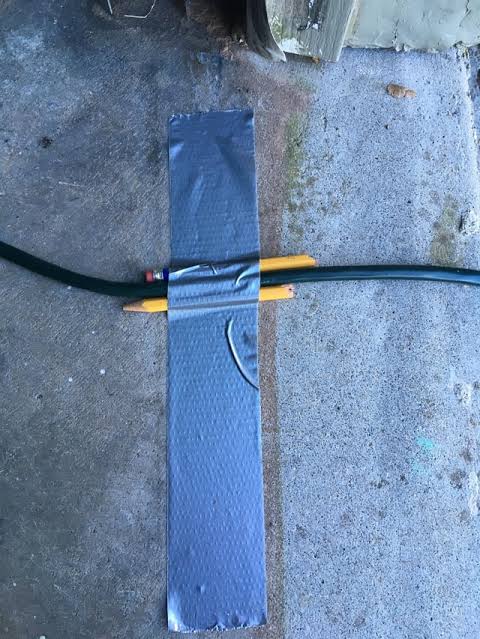
Have you ever rushed out of the garage, only to realize your extension cord is still plugged in and dangling across the door’s path? It is a common scenario that many homeowners face, often leading to a moment of panic. The question can you close a garage door on an extension cord is not just about convenience; it is a critical safety concern that requires immediate attention.
While modern garage doors are equipped with safety sensors, relying on them to save your cord—or worse, your vehicle—is a risky gamble. Understanding the mechanics behind your garage door opener and the potential consequences of ignoring this hazard can save you from costly repairs and dangerous accidents. Let’s dive into why this practice is discouraged and what you should do instead.
Why Closing a Garage Door on an Extension Cord Is Dangerous
Many people assume that if the cord is thin enough, the door will simply roll over it without issue. However, this misconception can lead to significant problems. Garage doors are heavy, often weighing between 130 to 400 pounds, and they exert tremendous pressure when closing.
The Risk to Your Extension Cord
When a garage door closes on an extension cord, it compresses the insulation and the internal wires. This can cause:
- Internal Wire Damage: Even if the outer jacket looks intact, the copper wires inside can be crushed or severed, creating a fire hazard.
- Exposed Live Wires: If the insulation breaks, live wires may be exposed, posing a severe electrocution risk to anyone who touches the cord later.
- Short Circuits: Damaged wires can lead to short circuits, which may trip your breaker or, in worse cases, start an electrical fire.
The Risk to Your Garage Door System
Your garage door opener is designed to lift and lower a specific weight smoothly. An obstruction like an extension cord can interfere with this process.
- Sensor Malfunction: While photo-eye sensors are designed to detect objects, they may not always register a thin, flat cord lying directly on the ground, especially if it is dark-colored.
- Motor Strain: If the door does stop, the sudden halt can strain the motor and gears, leading to premature wear and tear.
- Track Misalignment: In rare cases, if the cord gets caught in the rollers or tracks, it can cause misalignment, requiring professional repair.
According to the Consumer Product Safety Commission, thousands of injuries related to garage doors occur annually, many of which involve improper use or lack of maintenance. While most incidents involve people or pets, property damage from ignored obstructions is also a significant contributor to repair costs.
How Garage Door Safety Sensors Work
To understand whether your door might stop for an extension cord, it helps to know how the safety mechanism functions. Most modern garage doors installed after 1993 are required to have auto-reverse features.
Photo-Eye Sensors
These are the small units located near the bottom of the garage door tracks, usually about 6 inches off the ground. They emit an invisible beam of light across the doorway.
- Interruption Detection: If an object breaks the beam while the door is closing, the door should immediately stop and reverse.
- Limitations: The beam is typically narrow. If an extension cord lies flat on the ground below the beam’s path, the sensors will not detect it. This is a crucial detail many homeowners overlook.
Pressure-Sensitive Auto-Reverse
In addition to photo-eyes, garage door openers have a pressure-sensitive mechanism. If the door encounters resistance while closing, it should reverse.
- Sensitivity Settings: These settings can vary. A thin, flexible extension cord may not provide enough resistance to trigger the reversal, especially if the door is closing slowly.
- Maintenance Issues: Over time, dust, dirt, or mechanical wear can reduce the sensitivity of this feature, making it less reliable.
What Happens If You Accidentally Close the Door on a Cord?
If you find yourself in this situation, stay calm and follow these steps to minimize damage and ensure safety.
- Stop the Door Immediately: Use the wall button or remote to stop the door if it is still moving. Do not attempt to pull the cord out while the door is in motion.
- Inspect the Cord: Once the door is fully open, carefully examine the extension cord for any signs of damage. Look for cuts, cracks, or exposed wires.
- Test the Cord: Before plugging it back in, check for continuity using a multimeter if you have one. If you notice any damage, do not use the cord. Replace it immediately.
- Check the Garage Door: Inspect the bottom seal of the door and the tracks for any debris or damage caused by the cord.
- Reset the System: If the door did not reverse automatically, test the safety sensors by placing a solid object (like a roll of paper towels) in the door’s path. Ensure the door reverses as expected.
Best Practices to Prevent Extension Cord Hazards
Prevention is always better than cure. Here are some practical tips to keep your garage safe and your equipment intact.
Use Retractable Cord Reels
Investing in a retractable cord reel can keep your extension cords organized and off the floor. These devices allow you to pull out the length you need and automatically retract the rest, eliminating the risk of leaving a loose cord in the door’s path.
Install Ceiling-Mounted Outlets
Consider having a licensed electrician install outlets on the ceiling or upper walls of your garage. This allows you to plug in tools and chargers without running cords across the floor where the garage door operates.
Create a “Clear Zone”
Establish a habit of keeping the area directly under the garage door clear at all times. Use marked tape on the floor to indicate the “no-go zone” for cords, tools, and other items.
Regular Maintenance Checks
Perform monthly checks on your garage door’s safety features. Clean the photo-eye lenses with a soft cloth and test the auto-reverse function using a solid object. This ensures that your system is ready to detect larger obstacles, even if it might miss a thin cord.
FAQ Section
Q1: Will my garage door definitely stop if it hits an extension cord?
A: Not necessarily. If the cord is lying flat below the photo-eye sensors and is thin enough not to trigger the pressure-sensitive auto-reverse, the door may continue to close, damaging both the cord and potentially the door mechanism.
Q2: Can a damaged extension cord cause a fire?
A: Yes. Crushed or frayed wires can create sparks or short circuits, which are common causes of electrical fires. Always inspect cords for damage after any incident and replace them if there is any doubt about their integrity.
Q3: How high are garage door safety sensors typically installed?
A: Most manufacturers recommend installing photo-eye sensors no higher than 6 inches above the floor. This height is designed to detect small children or pets but may still leave room for thin objects like cords to pass underneath unnoticed.
Q4: Is it safe to repair a crushed extension cord?
A: No. It is generally not recommended to repair extension cords that have been crushed or severely damaged. The internal structure of the wire may be compromised, creating a hidden fire hazard. Replacement is the safest option.
Q5: What should I do if my garage door doesn’t reverse when it hits an object?
A: If your garage door fails to reverse upon encountering an obstacle, discontinue use immediately. This indicates a malfunction in the safety system. Contact a qualified garage door technician to inspect and repair the opener before using it again.
Conclusion
So, can you close a garage door on an extension cord? Technically, you can, but you absolutely shouldn’t. The risks of electrical fire, equipment damage, and personal injury far outweigh the minor inconvenience of moving a cord. By understanding how your garage door’s safety features work and adopting simple preventive habits, you can keep your home safe and avoid costly repairs.
Remember, safety sensors are a backup, not a guarantee. Treat every closure with caution and keep the door’s path clear. If you found this guide helpful, please share it with your friends and family on social media to help spread awareness about garage door safety. Stay safe!
Leave a Reply