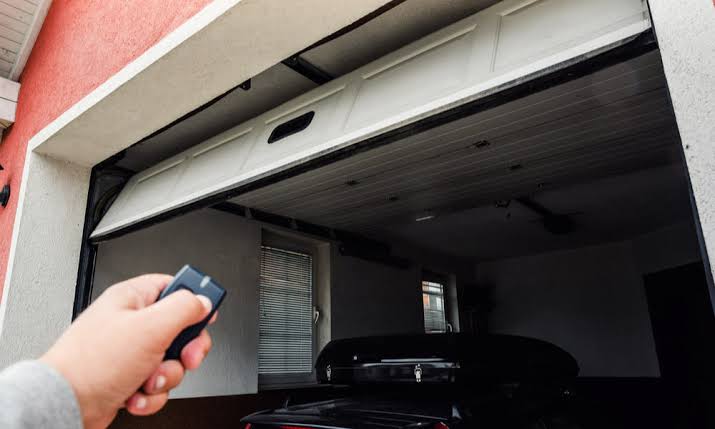
Have you ever worried that a neighbor or a passerby might accidentally open your garage door? It is a common concern for many homeowners who want to ensure their property remains secure. You might be wondering, can you change the frequency of your garage door opener to prevent interference or enhance security? Understanding how these devices work is the first step toward a safer home.
Understanding How Garage Door Openers Work
To answer whether you can change the frequency, we first need to understand what “frequency” means in this context. Most residential garage door openers operate on specific radio frequency bands. In the United States, the most common frequencies are 315 MHz and 390 MHz. Older models may use 300 MHz or 433 MHz.
The frequency is determined by the hardware inside the remote control and the motor unit installed in your garage. Specifically, it relies on a crystal oscillator or a ceramic resonator that vibrates at a precise rate. This hardware component is fixed during manufacturing. Unlike software settings that you can tweak in an app, the frequency is a physical characteristic of the device.
Think of it like a radio station. If your car radio is built to receive FM signals, you cannot simply change a setting to make it receive AM signals if the hardware isn’t designed for it. Similarly, your garage door remote is built to transmit on one specific frequency band.
Can You Physically Change the Frequency?
The short answer is no. For the vast majority of residential garage door openers, you cannot change the operating frequency.
Why Hardware Limitations Prevent Changes
The reason lies in the engineering of the device. The transmitter in your remote and the receiver in your garage door motor are tuned to match each other exactly. If you were to somehow alter the frequency of the remote to 390 MHz when the motor is listening at 315 MHz, they would no longer communicate. The door would not open.
Changing the frequency would require replacing the internal crystal oscillator in both the remote and the motor unit. This is not a user-serviceable task. It requires specialized soldering equipment, technical expertise, and compatible replacement parts that are rarely available to consumers. Even if you managed to swap the components, you would likely void any remaining warranty and risk damaging the electronics.
The Exception: Dual-Frequency Remotes
There is a minor exception to this rule. Some universal remotes or high-end smart garage controllers are designed to operate on multiple frequencies. These devices have internal switches or software settings that allow them to transmit on either 315 MHz or 390 MHz. However, this is not “changing” the frequency of your existing opener. Instead, you are using a new remote that can adapt to different systems. Your garage door motor itself still only listens to one specific frequency.
Reprogramming vs. Changing Frequency
Many homeowners confuse reprogramming with changing the frequency. It is crucial to distinguish between these two concepts because reprogramming is something you can and should do regularly for security purposes.
| Feature | Changing Frequency | Reprogramming (Resyncing) |
|---|---|---|
| Definition | Altering the radio wave band (e.g., 315 to 390 MHz) | Changing the digital code or pairing new remotes |
| Feasibility | Not possible for standard units | Easy and recommended |
| Hardware Needed | New crystal oscillators (professional only) | None (uses existing buttons) |
| Security Impact | N/A | High (prevents code theft) |
| User Action | Impossible for DIY | Simple button-press sequence |
Reprogramming changes the code that is sent over the air, not the frequency itself. Modern openers use rolling codes, which change every time you press the button. Reprogramming syncs your remote with the motor’s current code sequence. This is an effective way to kick off old remotes that may have been lost or stolen.
Security Concerns: Fixed Code vs. Rolling Code
If you are asking about frequency because you are worried about security, you are likely concerned about older technology. In the past, many garage door openers used fixed codes (also known as DIP switches). These systems had a limited number of code combinations, making them vulnerable to “code grabbing” devices. Thieves could capture the signal and replay it to open your door.
Today, most manufacturers use rolling code technology (also called Security+ or Intelligent Code). This technology generates a new code with every use. Even if someone intercepts the signal, they cannot reuse it because the code has already expired.
According to industry standards, rolling code systems significantly reduce the risk of unauthorized access. If your opener is more than 15–20 years old, it likely uses fixed codes. In this case, changing the frequency is not the solution. Replacing the entire unit with a modern rolling code opener is the best course of action. You can learn more about the history of radio frequency regulations and security standards on Wikipedia.
When to Consider Replacing Your Opener
Since you cannot change the frequency, you might wonder when it is time to upgrade. Here are clear signs that your current system is outdated:
- Interference Issues: If your door opens randomly or fails to respond, it may be due to frequency congestion in your area. While you cannot change your frequency, a newer model may have better interference rejection capabilities.
- Lost Remotes: If you have lost remotes and cannot reprogram the system easily, a new unit offers fresh security.
- Lack of Smart Features: Modern openers connect to Wi-Fi, allowing you to monitor and control your door from your smartphone.
- Noise Levels: Newer belt-drive models are significantly quieter than older chain-drive units.
Step-by-Step: How to Reprogram Your Garage Door Opener
While you cannot change the frequency, reprogramming your opener is a simple process that enhances security. Follow these general steps. Note that exact procedures vary by brand (Chamberlain, LiftMaster, Genie, etc.), so consult your manual for specifics.
- Locate the Learn Button: Find the “Learn” or “Program” button on your garage door motor unit. It is usually located on the back or side panel and may be colored yellow, purple, orange, or red.
- Clear Old Codes (Optional but Recommended): Press and hold the Learn button for about 6–10 seconds until the indicator light turns off. This erases all previously paired remotes. Warning: You will need to reprogram all your existing remotes after this step.
- Prepare Your Remote: Stand within 5 feet of the motor unit. Press and release the button on your remote that you wish to program.
- Activate Programming Mode: Press the Learn button on the motor unit once. The indicator light will typically blink or turn solid.
- Sync the Remote: Within 30 seconds, press and hold the button on your remote. Release it when the motor unit’s light blinks or you hear a click.
- Test the System: Press the remote button again to ensure the door operates correctly. Repeat for additional remotes.
FAQ Section
Can I use a universal remote if I don’t know my frequency?
Yes, most universal remotes are designed to work with the most common frequencies (315 MHz and 390 MHz). They often have auto-search features that try different frequencies and codes until they find a match with your opener. Check the packaging to ensure compatibility with your brand.
Will changing the batteries in my remote change the frequency?
No, changing the batteries only restores power to the transmitter. It does not alter the hardware components that determine the frequency. If your remote stops working after a battery change, it may need reprogramming rather than a frequency adjustment.
Can neighbors’ garage doors interfere with mine?
Interference is possible if you live in a dense housing area where many openers use the same frequency. However, modern rolling code technology minimizes this risk. If interference persists, installing a directional antenna or upgrading to a newer model with better shielding may help.
Is it legal to modify my garage door opener’s frequency?
In the United States, the Federal Communications Commission (FCC) regulates radio frequency devices. Modifying a device to operate outside its certified frequency band is illegal and can result in fines. Always use devices as intended by the manufacturer.
How often should I reprogram my garage door opener?
It is good practice to reprogram your opener if you lose a remote, move into a new home, or suspect unauthorized access. There is no strict timeline, but doing so every few years ensures that old, potentially compromised codes are removed from the system.
Conclusion
So, can you change the frequency of your garage door opener? The answer is no, not without replacing the hardware entirely. The frequency is a fixed physical attribute determined by the internal components of your remote and motor. However, this limitation does not leave you vulnerable. By understanding the difference between frequency and coding, you can take effective steps to secure your home.
Reprogramming your opener using the rolling code technology found in modern units is far more effective than attempting to alter hardware. If your system is outdated, consider upgrading to a new model with smart features and enhanced security protocols. Share this article with friends and family to help them understand how to keep their garages secure!
Leave a Reply