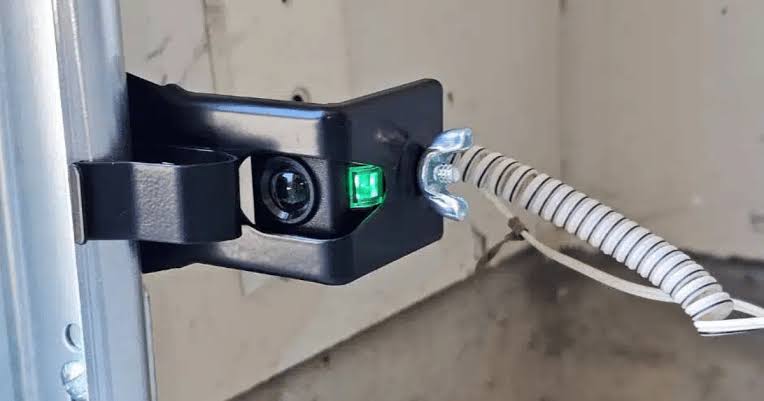
Have you just purchased a brand-new garage door opener and are wondering, “Can I use old sensors with new garage door opener?” This is a common dilemma that many homeowners face when upgrading their garage systems. The good news is that I’m here to walk you through everything you need to know to make the right decision for your home’s safety and convenience.
Understanding Garage Door Sensor Compatibility
Before diving into the specifics, it’s crucial to understand how garage door sensors work and why compatibility matters so much. Modern garage door openers come equipped with safety sensors that prevent the door from closing if an object or person is detected in the pathway.
According to the Consumer Product Safety Commission (CPSC), automatic reversing mechanisms and safety sensors have prevented thousands of injuries since they became mandatory in 1993. These sensors operate on infrared technology, with one sensor sending a beam and the other receiving it.
When considering whether you can use old sensors with new garage door opener systems, the primary factors include:
- Voltage requirements – Different models operate on varying voltages
- Wiring compatibility – Connector types and wire gauges differ between brands
- Communication protocols – Modern systems may use digital signals
- Safety certification – Older sensors might not meet current UL standards
Why Safety Sensors Are Non-Negotiable
Many homeowners ask if they can bypass or skip installing sensors altogether to save money or time. The answer is an absolute no. Safety sensors are federally mandated for all garage door openers manufactured after 1993, and for good reason.
A study published by the National Electronic Injury Surveillance System found that garage door-related injuries account for approximately 10,000 emergency room visits annually in the United States. The majority of these injuries involve children or pets caught in closing doors.
Here’s what you need to understand about modern safety standards:
- Photoelectric Eyes – These detect objects breaking the beam
- Auto-Reverse Mechanism – Door reverses within 2 seconds of obstruction
- Constant Pressure – Some systems require holding the button to close
- Backup Safety Features – Mechanical reversal if sensors fail
You can learn more about garage door safety regulations on Wikipedia to understand the history and evolution of these critical safety features.
When You CAN Use Old Sensors
There are specific scenarios where reusing your existing sensors with a new garage door opener is both possible and practical. Here are the situations where compatibility is likely:
Same Brand Upgrades
If you’re upgrading within the same brand family (Chamberlain to Chamberlain, LiftMaster to LiftMaster), your chances of compatibility are significantly higher. These manufacturers often maintain consistent sensor designs across model generations.
Key indicators of compatibility:
- Identical connector types (typically 2-pin or 3-pin connectors)
- Same voltage specifications (usually 5V DC)
- Matching wire colors and gauges
- Similar sensor housing designs
Sensors Less Than 5 Years Old
Sensors manufactured within the last five years are more likely to meet current safety standards and have better compatibility with modern systems. The technology hasn’t changed dramatically in recent years, making reuse more feasible.
Universal Sensor Systems
Some older sensors were designed as universal systems that work across multiple brands. If your sensors have “universal” markings or came from a third-party manufacturer that still produces compatible parts, reuse might be viable.
When You CANNOT Use Old Sensors
Unfortunately, there are several situations where attempting to reuse old sensors is either impossible or unsafe:
Cross-Brand Incompatibility
- Chamberlain/LiftMaster – Uses proprietary 3-wire systems
- Genie – Different voltage and connector types
- Craftsman – Often incompatible with other major brands
- Overhead Door – Unique signaling protocols
Age and Wear Concerns
Sensors older than 7-10 years may have degraded infrared emitters or receivers that don’t function properly, even if they appear to work initially. Environmental factors like humidity, temperature fluctuations, and dust accumulation can compromise performance over time.
Digital vs. Analog Systems
Modern garage door openers often use digital communication between sensors and the main unit, while older systems relied on simple analog signals. These fundamental differences make cross-compatibility impossible without adapter devices.
Step-by-Step Installation Guide
If you’ve determined that your old sensors are compatible, here’s how to install them properly:
Step 1: Preparation (5 minutes)
Gather these tools and materials:
- Phillips head screwdriver
- Wire stripper/crimper
- Electrical tape
- Voltage meter (optional but recommended)
- Ladder (if needed)
Ensure your garage door opener is unplugged or the circuit breaker is turned off before beginning any electrical work.
Step 2: Remove Old Wiring (10 minutes)
Carefully disconnect the existing sensor wires from both sensors and the main unit. Take photos of the wiring configuration before disconnecting anything—this will serve as your reference guide.
Step 3: Test Voltage (3 minutes)
Using a voltage meter, verify that the new opener provides the correct voltage for your sensors (typically 5V DC). If the voltage doesn’t match, do not proceed with installation.
Step 4: Connect New Wires (15 minutes)
- Strip approximately 1/4 inch of insulation from each wire end
- Match wire colors: red to red, white to white (or as specified in your manual)
- Secure connections using wire nuts or crimp connectors
- Wrap each connection with electrical tape for added protection
Step 5: Mount Sensors (20 minutes)
Position sensors 4-6 inches above the ground on both sides of the garage door opening. They must be:
- Perfectly aligned – LED lights should be solid, not blinking
- Securely mounted – Use provided brackets and screws
- Protected from elements – Avoid direct sunlight exposure
Step 6: Test and Calibrate (10 minutes)
- Power on the garage door opener
- Test the door operation multiple times
- Place a 2×4 piece of wood in the door’s path to test auto-reverse
- Verify that sensors stop and reverse the door within 2 seconds
Pros vs. Cons Comparison Table
| Aspect | Reusing Old Sensors | Buying New Sensors |
|---|---|---|
| Cost | $0 – $20 for wiring | $30 – $80 for quality sensors |
| Time Investment | 1-2 hours installation | 30 minutes plug-and-play |
| Warranty Coverage | May void new opener warranty | Full manufacturer warranty |
| Reliability | Moderate risk of failure | High reliability guaranteed |
| Safety Certification | May not meet current standards | Meets all current UL requirements |
| Compatibility Risk | High for cross-brand | Zero compatibility issues |
Common Problems and Solutions
Even when sensors appear compatible, you may encounter these issues:
Blinking LED Lights
This typically indicates misalignment. Use a level to ensure both sensors are perfectly horizontal and vertical. Adjust brackets slightly until both LEDs show solid illumination.
Door Won’t Close Completely
Check for obstructions in the beam path, including cobwebs, dirt, or snow accumulation on sensor lenses. Clean with a soft, dry cloth—never use harsh chemicals that could damage the optical components.
Intermittent Operation
Loose wiring connections or damaged wires are usually the culprits. Inspect the entire wire run for kinks, cuts, or corrosion. Replace any damaged sections immediately.
Sensor Overheating
Direct sunlight can overwhelm infrared sensors, causing temporary failure. Install sunshades or reposition sensors to avoid direct exposure, especially during peak afternoon hours.
Expert Tips for Long-Term Success
Professional installers recommend these maintenance practices:
- Monthly cleaning – Wipe sensor lenses with microfiber cloth
- Quarterly alignment checks – Verify beam alignment hasn’t shifted
- Annual wiring inspection – Look for wear, corrosion, or damage
- Bi-annual testing – Test auto-reverse function with 2×4 board
- Professional inspection – Every 2 years by certified technician
FAQ Section
Can I mix and match sensors from different brands?
Generally, no. Different manufacturers use proprietary communication protocols, voltage specifications, and connector types that are incompatible with other brands. Attempting to mix sensors can damage your opener or create dangerous safety hazards.
How do I know if my old sensors are still working?
Test them by placing an object in the beam path while closing the door. If the door stops and reverses within 2 seconds, your sensors are functioning. Also check that both sensor LEDs show solid illumination when properly aligned.
Will reusing old sensors void my new opener’s warranty?
Most likely, yes. Major manufacturers like Chamberlain and Genie explicitly state that using non-approved components can void the warranty. Always check your warranty documentation before reusing any parts.
What’s the average lifespan of garage door sensors?
Quality sensors typically last 7-10 years under normal conditions. However, environmental factors, frequency of use, and maintenance practices can significantly impact their lifespan. If your sensors are approaching this age, replacement is recommended regardless of apparent functionality.
Are universal sensors a good alternative to brand-specific ones?
Universal sensors can work, but they’re generally less reliable than manufacturer-specific sensors. They may not integrate fully with all safety features or provide the same level of precision. For critical safety systems, OEM sensors are always the better choice.
How much does professional sensor installation cost?
Professional installation typically ranges from $75-$150 depending on your location and the complexity of the installation. This includes labor, parts verification, and warranty coverage on the work performed.
Conclusion
The answer to “Can I use old sensors with new garage door opener?” ultimately depends on your specific situation. While reusing compatible sensors can save money, the risks to safety and warranty coverage often outweigh the benefits. When in doubt, invest in new manufacturer-approved sensors to ensure optimal performance and peace of mind.
Remember that garage door safety isn’t something to compromise on—these systems protect your family, pets, and property every single day. Taking the time to install proper sensors correctly will serve you well for years to come.
Have you successfully reused old sensors with a new opener, or did you learn the hard way? Share your experiences in the comments below!
If this article helped you make an informed decision, please share it on social media with friends and family who might be facing the same dilemma. Together, we can help more homeowners make safer choices for their garages.
Don’t forget to bookmark this guide for future reference when it’s time for your next garage door maintenance or upgrade!
Leave a Reply