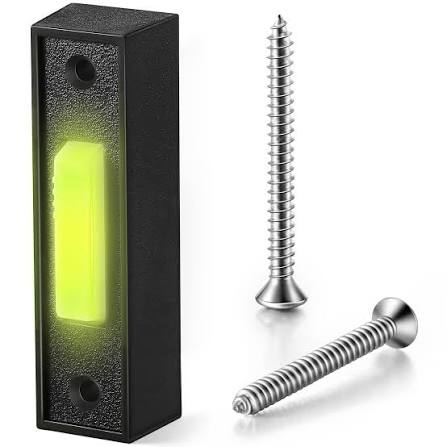
Have you ever stood in your driveway, frantically pressing a standard doorbell button, hoping it would magically lift your garage door? It is a common curiosity for homeowners looking to simplify their entry systems or repurpose old hardware. However, the question can I use a doorbell as a garage door opener is not just about convenience; it involves critical electrical and safety considerations that every homeowner must understand before attempting any DIY modifications.
The Short Answer: Why It Usually Doesn’t Work
To put it simply: No, you cannot directly replace a garage door opener button with a standard doorbell. While they may look similar—both are often simple push-buttons—the internal mechanisms and electrical requirements are vastly different.
A standard doorbell operates on low-voltage AC (alternating current), typically between 16 to 24 volts, designed to trigger a chime or a digital sounder. In contrast, a garage door opener button sends a specific low-voltage DC (direct current) signal to the motor unit’s logic board. This signal tells the motor to activate the relay that engages the trolley and moves the door.
If you wire a doorbell button into your garage door system, one of two things will likely happen:
- Nothing happens: The voltage or signal type is incompatible, and the garage door motor ignores the input.
- Damage occurs: You risk short-circuiting the logic board of your garage door opener, leading to costly repairs.
Understanding this distinction is crucial because modern garage doors are complex machines integrated with safety sensors and rolling code technology, unlike the simple circuit of a doorbell chime.
Technical Differences: Doorbell vs. Garage Button
To truly understand why these two devices are not interchangeable, we need to look under the hood. The differences lie in voltage, signal type, and safety protocols.
Voltage and Current Requirements
| Feature | Standard Doorbell | Garage Door Opener Button |
|---|---|---|
| Voltage Type | AC (Alternating Current) | DC (Direct Current) |
| Typical Voltage | 16V – 24V | 5V – 24V (varies by brand) |
| Function | Completes circuit to ring chime | Sends digital signal to logic board |
| Safety Features | None | Integrated with safety sensors |
As seen in the table above, while the voltage ranges might occasionally overlap, the type of current is the dealbreaker. Most garage door openers rely on a clean DC signal to communicate with the main control board. Introducing an AC signal from a doorbell transformer can cause erratic behavior or permanent damage to the sensitive microprocessors inside the opener.
The Role of Rolling Codes
Modern garage door openers use rolling code technology to prevent hacking. Every time you press your remote or wall button, the code changes. A standard doorbell button has no memory or encryption capability. It is a “dumb” switch. Even if you managed to wire it physically, it lacks the intelligence to communicate securely with the opener’s receiver, leaving your home vulnerable or simply non-functional.
Safety Risks of DIY Wiring Hacks
Attempting to force a doorbell to work as a garage opener is not just a technical mismatch; it is a significant safety hazard. Garage doors are the largest moving object in most homes, weighing hundreds of pounds.
1. Bypassing Safety Sensors
Garage doors are equipped with photo-eye sensors near the floor. If these sensors detect an obstruction, the door stops and reverses. A makeshift doorbell setup might bypass these critical safety checks. If the wiring is incorrect, the door could close on a person, pet, or vehicle without stopping.
2. Fire Hazard
Using incompatible transformers or wiring gauges can lead to overheating. Doorbell transformers are not rated for the continuous load or specific signal processing required by garage door motors. This mismatch can cause wires to melt or spark, creating a fire risk within your walls or garage ceiling.
3. Voiding Warranties
Most garage door manufacturers explicitly state that unauthorized modifications to the control system will void the warranty. If you damage the logic board by connecting a doorbell, you will be responsible for the full cost of replacement, which can range from $200 to $500 or more.
For more detailed information on electrical safety standards in residential settings, you can refer to general safety guidelines on Wikipedia.
When Might It Seem Like It Works?
There is one specific scenario where a doorbell button might appear to work: if you are using a dry contact relay system.
Some advanced smart home enthusiasts use a relay module (like those found in Shelly or Sonoff devices) to bridge the gap. In this setup:
- The doorbell button triggers a smart relay.
- The relay closes a separate, isolated circuit connected to the garage door opener’s terminals.
In this case, the doorbell isn’t directly operating the garage door. Instead, it is triggering a smart device that then sends the correct signal to the garage door. This is a complex setup requiring knowledge of low-voltage wiring and smart home integration. It is not recommended for beginners due to the risk of improper isolation and safety failures.
Better Alternatives: Smart Solutions That Actually Work
If your goal is to open your garage door with a button near your entryway, or to integrate it into your smart home, there are safe, reliable, and affordable alternatives.
1. Smart Garage Door Controllers
Devices like the MyQ Smart Garage Hub or Tailwind allow you to control your garage door via smartphone. Many of these devices can be integrated with smart buttons (like Flic buttons or Hue switches) placed anywhere in your house.
- Cost: $30–$100
- Difficulty: Easy (Plug-and-play)
- Safety: Maintains all original safety features
2. Wireless Wall Buttons
Most major garage door brands (LiftMaster, Chamberlain, Genie) sell wireless wall buttons. These can be mounted anywhere, including near your front door, without running new wires.
- Cost: $20–$40
- Difficulty: Very Easy (Battery-operated)
- Safety: Uses secure rolling codes
3. Keypad Entry Systems
For added security, consider a wireless keypad. This allows you to enter a code to open the door, which is safer than a simple push-button that anyone could press.
Step-by-Step: How to Install a Secondary Garage Button Safely
If you want a button near your door that functions like a garage opener, follow this safe method instead of using a doorbell.
- Purchase a Compatible Wireless Button: Ensure it matches your garage door opener’s frequency (usually 315 MHz or 390 MHz).
- Locate the Learn Button: On your garage door motor unit, find the “Learn” or “Smart” button. It is usually colored yellow, purple, or red.
- Press the Learn Button: Press and release it. The indicator light will blink or turn on, signaling it is ready to pair.
- Program the New Button: Within 30 seconds, press and hold the button on your new wireless remote/wall unit. Hold it until the motor unit’s light blinks or you hear a click.
- Test the System: Press the new button to ensure the door operates smoothly. Test the safety sensors by placing an object in the door’s path while closing.
This method takes less than 10 minutes and ensures your system remains safe and warrantied.
FAQ Section
Can I wire a doorbell transformer to my garage door opener?
No. Garage door openers have their own internal power supplies or specific low-voltage requirements. Adding an external doorbell transformer can overload the system or send the wrong type of current (AC instead of DC), potentially damaging the logic board.
What happens if I press a doorbell button wired to a garage door?
In most cases, nothing will happen because the signals are incompatible. However, if the wiring creates a short circuit, you could trip a breaker, damage the doorbell chime, or fry the garage door opener’s control board.
Is there a smart doorbell that opens the garage?
Some smart home ecosystems allow integration. For example, if you have an Amazon Alexa-enabled doorbell and a MyQ garage hub, you can create a routine where saying “Alexa, open garage” works. However, the doorbell button itself does not directly trigger the garage mechanism; it relies on cloud-based automation.
Can I use a wired doorbell button for a garage door if I change the transformer?
Even with a matching transformer, the issue remains the signal type. Garage door openers expect a momentary contact closure that sends a DC signal to the logic board. A doorbell circuit is designed for AC chimes. Without a relay isolator, it is not safe or effective.
Why do garage door buttons have two wires and doorbells have two wires?
While both use two-wire connections, the purpose differs. The garage door button completes a low-voltage DC circuit to send a data signal. The doorbell completes an AC circuit to power an electromagnet or digital chime. The similarity in wiring is superficial; the electrical behavior is fundamentally different.
Conclusion
While the idea of repurposing a doorbell as a garage door opener might seem like a clever hack, the technical incompatibilities and safety risks make it a bad idea. The difference in current type (AC vs. DC) and the lack of rolling code security mean that a direct swap will likely fail or cause damage.
Instead of risking your home’s safety, opt for wireless wall buttons or smart garage hubs. These solutions are affordable, easy to install, and maintain the critical safety features built into your garage door system. Remember, when it comes to heavy moving machinery, convenience should never compromise safety.
If you found this guide helpful, please share it with your friends on social media to help them avoid dangerous DIY mistakes!
Leave a Reply