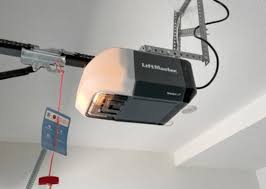
If you’re installing or replacing a garage door opener, you might be staring at a spool of 18/2 wire and wondering: can I use 18/2 wire for garage door opener systems safely? It’s a common question among DIY homeowners who want to save money or repurpose existing materials. The short answer is: it depends on your specific setup, distance, and manufacturer requirements. Let’s break down everything you need to know to make an informed, safe decision.
Understanding Garage Door Opener Wiring Requirements
Before diving into whether 18/2 wire works, it’s essential to understand what garage door openers actually need from their wiring. Most residential garage door openers operate on low-voltage control circuits (typically 24V AC) for the wall button, safety sensors, and keypad entries. However, the motor itself runs on standard household current (120V in the US).
The control wires—those connecting the wall-mounted button, photo-eye sensors, and external keypads—are where gauge matters most. These wires carry minimal current but must maintain signal integrity over distance. Using the wrong gauge can lead to intermittent operation, sensor failures, or complete system malfunction.
According to the National Electrical Code (NEC) and most manufacturer specifications, 22-gauge stranded wire is the industry standard for low-voltage garage door controls. But does that mean 18/2 is automatically off-limits? Not necessarily.
Is 18/2 Wire Safe for Garage Door Openers?
The term “18/2” refers to 18-gauge wire with two conductors. Gauge numbers work inversely: the lower the number, the thicker the wire. So 18-gauge is actually thicker than the recommended 22-gauge wire. From a pure electrical capacity standpoint, thicker wire can handle more current with less resistance, which sounds beneficial.
However, there are practical considerations:
Advantages of 18/2 Wire
- Lower resistance: Better for long-distance runs (over 50 feet)
- Durability: Thicker insulation resists damage during installation
- Availability: Commonly found in hardware stores for various low-voltage applications
Potential Drawbacks
- Terminal compatibility: Many garage door opener terminals are designed for 22–20 gauge wire. 18-gauge may be too thick to fit securely.
- Flexibility: Thicker wire is stiffer, making it harder to route through tight spaces or conduit.
- Overkill for short runs: For distances under 30 feet, 18/2 provides no tangible benefit over 22-gauge.
Expert Insight: According to electrical safety guidelines, using a larger gauge than required is generally safe from an electrical standpoint, provided the connections are secure. The National Fire Protection Association emphasizes proper termination as the critical factor in low-voltage wiring safety.
When Should You Use 18/2 Wire?
There are specific scenarios where 18/2 wire becomes not just acceptable, but preferable:
Long-Distance Installations
If your garage door opener is located more than 50–75 feet from the power source or if you’re running wires to remote sensors, sheds, or detached garages, 18/2 wire minimizes voltage drop. Voltage drop occurs when electricity loses strength over long distances, potentially causing sensors to malfunction or buttons to respond inconsistently.
Outdoor or Exposed Runs
When wires must run outdoors, through attics with extreme temperature fluctuations, or in areas prone to physical damage, the thicker insulation on 18/2 wire offers better protection against moisture, UV degradation, and accidental cuts.
Future-Proofing
If you anticipate adding additional devices—such as multiple keypads, smart home integrations, or backup battery systems—18/2 wire provides headroom for increased load without needing rewiring.
Step-by-Step Guide: Installing 18/2 Wire for Your Garage Door Opener
If you’ve decided 18/2 wire suits your needs, follow these steps for a safe, code-compliant installation:
Step 1: Check Manufacturer Specifications
Review your garage door opener’s manual. Look for sections labeled “Wiring,” “Control Circuit,” or “Low-Voltage Connections.” Some manufacturers explicitly state maximum and minimum wire gauges. If they specify 22-gauge maximum, using 18-gauge could void your warranty.
Step 2: Measure Your Distance
Use a tape measure to determine the exact length of wire needed. Add 10–15% extra for slack, routing around obstacles, and future adjustments. For example, if the distance is 40 feet, purchase at least 45 feet of 18/2 wire.
Step 3: Prepare the Terminals
Most garage door opener terminals accept stripped wire ends inserted into screw-down clamps or spring-loaded connectors. If using 18/2 wire:
- Strip approximately 3/8 inch (10 mm) of insulation from each conductor.
- Twist the stranded wires tightly to prevent fraying.
- If the terminal feels too tight, gently widen it with a small flathead screwdriver—but do not force it.
Step 4: Connect the Wires
Follow the color-coding or labeling on your opener:
- White/Red pair: Typically connects to the wall button.
- White/White or Black/Black pair: Often used for safety sensors.
- Consult your manual for exact configurations, as brands vary.
Ensure each wire is seated fully in the terminal and the screw is tightened firmly. A loose connection is the leading cause of intermittent garage door issues.
Step 5: Test the System
Before securing wires permanently:
- Plug in the opener.
- Press the wall button to verify operation.
- Wave an object in front of the safety sensors to confirm they reverse the door.
- Test any additional keypads or remotes.
If anything fails, double-check connections before assuming the wire gauge is the problem.
Comparison: 18/2 vs. 22/2 Wire for Garage Door Openers
| Feature | 18/2 Wire | 22/2 Wire |
|---|---|---|
| Gauge Thickness | Thicker (lower resistance) | Thinner (standard) |
| Best For | Runs over 50 feet | Runs under 50 feet |
| Terminal Fit | May require adjustment | Fits most terminals easily |
| Flexibility | Stiffer, harder to route | More flexible, easier to install |
| Cost | Slightly higher | More affordable |
| Durability | Better for exposed/outdoor use | Suitable for indoor, protected runs |
Frequently Asked Questions
Q1: Will using 18/2 wire void my garage door opener warranty?
A: It might. Many manufacturers specify 22-gauge wire in their manuals. Using a different gauge—especially if it causes connection issues or damage—could void your warranty. Always check your owner’s manual first.
Q2: Can I mix 18/2 and 22/2 wire in the same installation?
A: Technically yes, but it’s not recommended. Mixing gauges can create inconsistent resistance and potential weak points at splice connections. If you must extend an existing 22/2 run, use proper wire nuts or crimp connectors rated for both gauges.
Q3: Does 18/2 wire work for all garage door opener brands?
A: Most major brands (Chamberlain, LiftMaster, Genie, Craftsman) use similar low-voltage control circuits, so 18/2 wire will electrically function. However, physical terminal size varies. Some newer models with compact terminals may not accommodate 18-gauge wire comfortably.
Q4: What happens if I use wire that’s too thin, like 24-gauge?
A: Using wire thinner than recommended (higher gauge number) increases resistance, especially over long distances. This can cause voltage drop, leading to sensor failures, slow response times, or complete operational failure. Stick to 22-gauge or thicker.
Q5: Do I need special tools to install 18/2 wire?
A: No special tools are required beyond standard wire strippers, screwdrivers, and possibly needle-nose pliers for tight spaces. However, because 18/2 is stiffer, having a fish tape or wire puller can help when routing through walls or conduit.
Q6: Is 18/2 wire suitable for smart garage door openers?
A: Yes. Smart openers still use the same low-voltage control circuits for sensors and buttons. The smart features (Wi-Fi connectivity, app control) operate independently through the main unit’s internal electronics. Wire gauge affects only the physical control connections.
Final Thoughts
So, can you use 18/2 wire for garage door opener installations? Yes—in many cases, it’s perfectly safe and even advantageous for long runs or harsh environments. However, it’s not always the best choice due to terminal compatibility and flexibility issues. For most standard residential installations under 50 feet, 22/2 stranded wire remains the gold standard for ease of installation and manufacturer compliance.
Before you start wiring, always consult your opener’s manual, measure your distances accurately, and prioritize secure connections over wire gauge alone. A properly installed 22-gauge wire will outperform a poorly connected 18-gauge wire every time.
If you found this guide helpful, share it with fellow DIY enthusiasts on social media! Whether you’re tackling your first garage project or helping a neighbor troubleshoot their opener, spreading accurate, safety-focused information keeps our communities running smoothly—one garage door at a time.
Leave a Reply