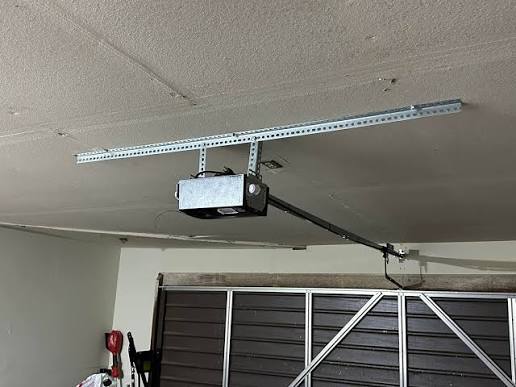
Losing your garage door remote or needing an extra one for a family member is a common hassle. You might be asking yourself, can I make a copy of my garage door opener without calling a professional? The short answer is yes, but the method depends entirely on the technology your system uses. Understanding your specific model is crucial to avoiding security risks and ensuring your new remote works seamlessly with your existing setup.
Understanding Your Garage Door Opener Technology
Before you attempt to duplicate any device, you must identify what kind of signal your garage door opener uses. Not all remotes are created equal, and trying to copy a modern encrypted remote with an old-school cloner will not work.
Fixed Code vs. Rolling Code Systems
The most critical distinction in garage door technology is between fixed code and rolling code (also known as hopping code) systems.
- Fixed Code: Older models (typically pre-1990s) use a static password. Every time you press the button, it sends the exact same digital signal. These are relatively easy to copy using universal learning remotes or basic cloning devices. However, they are also highly vulnerable to “code grabbing” attacks, where thieves intercept the signal to open your door later.
- Rolling Code: Most modern openers manufactured after 1993 use rolling code technology. Each time you press the button, the remote generates a new, unique code from a shared sequence with the receiver. This makes simple copying impossible because the copied code would only work once before becoming invalid. To add a remote to a rolling code system, you must program it into the receiver rather than just cloning the signal.
According to industry standards, the shift toward rolling codes was mandated to enhance home security. If you are unsure which type you have, check the manufacturing date on your motor unit or consult your manual. For more detailed technical definitions of radio frequency security protocols, you can refer to Wikipedia’s entry on Rolling Codes.
Methods to Duplicate Your Garage Door Remote
Depending on your system type, there are three primary ways to get a functional copy.
1. Programming a New Universal Remote
This is the safest and most recommended method for most homeowners. Instead of “copying” the signal from your old remote, you are introducing a new remote to your garage door opener’s memory.
Steps to Program a Universal Remote:
- Purchase a Compatible Remote: Ensure the universal remote lists your garage door opener brand (e.g., LiftMaster, Chamberlain, Genie) as compatible.
- Locate the Learn Button: Find the “Learn” or “Smart” button on your garage door motor unit. It is usually located on the back or side of the hanging motor box and may be yellow, purple, red, or green.
- Clear Old Codes (Optional): If you suspect security issues, hold down the learn button for 10 seconds until the indicator light blinks. This erases all previously paired remotes.
- Initiate Pairing: Press and release the Learn button. The indicator light will turn on or blink, indicating it is ready to receive a new signal. You typically have 30 seconds to complete the next step.
- Sync the New Remote: Within 30 seconds, press and hold the button on your new universal remote that you want to use. Hold it until the motor unit’s light blinks or you hear two clicks.
- Test the Remote: Press the button again to ensure the door operates correctly.
2. Using a Dedicated Cloning Remote (For Fixed Codes Only)
If you have an older fixed-code system, you can use a cloning remote. These devices mimic the signal of your original remote exactly.
How to Clone a Fixed Code Remote:
- Buy a Cloning Remote: Look for remotes specifically advertised as “cloneable” or “copyable.”
- Enter Learning Mode: Usually, this involves holding down two buttons on the cloning remote until the LED flashes rapidly.
- Position the Remotes: Place the original remote and the cloning remote back-to-back or within 1–2 inches of each other.
- Transfer the Signal: Press the button on the original remote you wish to copy. Simultaneously, press the corresponding button on the cloning remote.
- Confirm Success: The LED on the cloning remote will change its blinking pattern (e.g., from fast to slow) to indicate the code has been successfully copied.
3. Contacting the Manufacturer or a Professional
For high-security systems or if you are uncomfortable working with electrical components, contacting the manufacturer is the best route. Many brands offer replacement remotes that can be shipped to you with specific instructions for your model number. Alternatively, a licensed garage door technician can program a new remote for you, ensuring compatibility and maintaining your warranty.
Comparison: DIY Copying vs. Professional Help
| Feature | DIY Universal Remote | DIY Cloning (Fixed Code) | Professional Service |
|---|---|---|---|
| Cost | $15 – $30 | $20 – $40 | $50 – $100+ |
| Difficulty | Easy | Moderate | None |
| Security | High (Rolling Code) | Low (Fixed Code) | High |
| Time Required | 10–15 minutes | 5–10 minutes | 1–2 hours (wait time) |
| Compatibility | Broad | Limited to older models | 100% Guaranteed |
Security Risks of Copying Garage Door Openers
While convenience is key, security should never be compromised. When you ask, can I make a copy of my garage door opener, you must also consider who else might have access to that signal.
- Code Grabbing: Thieves use devices to intercept the signal from your remote as you enter or leave your driveway. With fixed-code systems, they can replay this signal to open your door. Rolling codes mitigate this risk significantly.
- Unauthorized Cloning: If you lose a cloning remote, anyone who finds it can potentially use it if they also have access to your original remote to re-clone it. Always treat cloning remotes with the same care as your house keys.
- Interference Issues: Cheap, non-branded universal remotes may operate on frequencies that interfere with other neighborhood devices, causing erratic behavior in your garage door.
To maintain high security, always prefer programming a new remote over cloning. If you must clone, consider upgrading your entire garage door opener system to a modern rolling-code model.
Troubleshooting Common Copying Issues
Even with careful steps, things can go wrong. Here are solutions to common problems:
- Remote Not Responding: Check the battery first. Even new batteries can be defective. Replace them with high-quality alkaline batteries.
- Light Blinks But Door Doesn’t Move: You may have missed the 30-second window to press the remote button after hitting the Learn button. Try the process again, ensuring you act quickly.
- Interference from LED Bulbs: Some LED light bulbs in your garage opener can emit radio frequency interference that blocks remote signals. If your remote works close up but not from a distance, try turning off the garage lights or switching to incandescent bulbs temporarily to test.
- Antenna Issues: Ensure the wire antenna hanging from your motor unit is not tangled or blocked by metal objects. It should hang freely downward for optimal signal reception.
FAQ Section
Can I copy a garage door opener using my smartphone?
Generally, no. Most smartphones lack the specific radio frequency hardware required to transmit garage door signals. While some smart garage hubs (like MyQ) allow you to control your door via an app, this requires installing a separate hardware device on your opener, not just copying the remote signal with your phone’s NFC or Bluetooth.
Is it legal to copy a garage door opener?
Yes, it is legal to copy your own garage door opener for personal use. However, using cloning technology to access someone else’s garage without permission is illegal and considered burglary. Always ensure you own the system you are duplicating.
Why won’t my universal remote copy my original remote?
If you are trying to clone the signal directly, your system likely uses rolling code technology, which cannot be cloned. You must program the universal remote directly to the garage door motor unit using the Learn button instead.
How much does it cost to get a copy of a garage door opener?
A universal remote costs between $15 and $30. A brand-specific replacement remote ranges from $25 to $50. Hiring a professional to supply and program a remote typically costs between $50 and $100, depending on your location and service fees.
Can I copy a garage door opener if I lost the original?
If you lost the original, you cannot clone a signal. However, you can still program a new universal remote to your garage door motor unit as long as you have access to the motor and know how to use the Learn button. If you don’t have access to the motor, you will need a professional to reset the system.
Do all garage door openers have a Learn button?
Most modern openers manufactured after 1993 have a Learn button. Very old models may use dip switches (small toggle switches inside the remote and motor) that must be matched manually. If you see rows of tiny switches inside your remote, you have a dip-switch system, not a Learn button system.
Conclusion
So, can I make a copy of my garage door opener? Absolutely. Whether you choose to program a new universal remote for enhanced security or clone an older fixed-code device for convenience, the power is in your hands. By understanding your system type and following the correct steps, you can save money and avoid the hassle of waiting for a technician.
Remember, prioritizing rolling-code technology and proper programming ensures your home remains secure while offering the convenience you need. If you found this guide helpful, please share it with friends and family who might be struggling with their garage door remotes. Stay safe and secure!
Leave a Reply