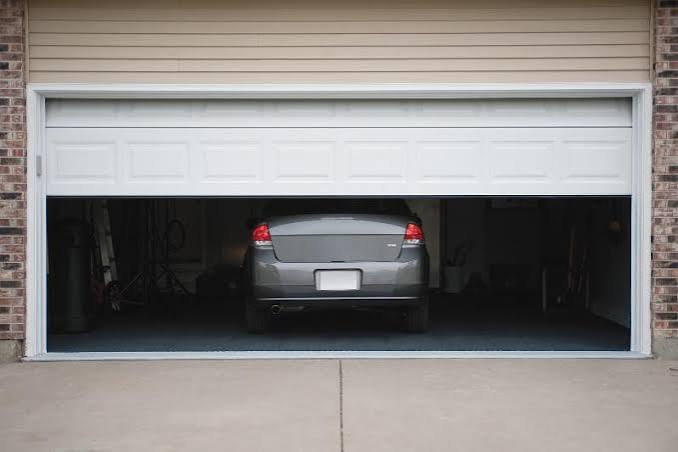
Have you ever rushed out of the house on a cold morning, jumped into your car to warm it up, and left the garage door open for “fresh air”? It is a common habit, but one that carries significant risks. Many homeowners ask, “Can I leave car running in garage with door open?” while assuming the airflow is enough to keep them safe. The short answer is no; even with the door open, dangerous levels of toxic fumes can accumulate rapidly, posing a severe threat to your health and your family’s safety.
In this comprehensive guide, we will break down the science behind exhaust fumes, explain why partial ventilation is not enough, and provide actionable steps to keep your home safe. Let’s dive into the facts so you can make informed decisions about your daily routine.
Why Is Idling Your Car in the Garage Dangerous?
When your car engine runs, it burns fuel to create power. This process produces several byproducts, including water vapor, nitrogen oxides, and most critically, carbon monoxide (CO). Carbon monoxide is a colorless, odorless, and tasteless gas, which makes it particularly deadly because you cannot detect it without a specialized alarm.
Even if your garage door is wide open, the physics of airflow in a residential garage often works against you. Garages are typically enclosed spaces attached to or directly beneath living areas. When a car idles, it emits a high concentration of CO right at the source. Without strong, directed wind blowing directly through the garage, these fumes can linger, seep into cracks, and enter your home through shared walls, doors, or HVAC systems.
According to the Centers for Disease Control and Prevention (CDC), carbon monoxide poisoning causes hundreds of deaths and thousands of emergency room visits every year in the United States. Many of these incidents occur due to improper vehicle use in enclosed or semi-enclosed spaces.
The Myth of “Open Door” Safety
Many people believe that opening the garage door creates enough cross-ventilation to dissipate exhaust fumes safely. However, this is a dangerous misconception. Here is why relying on an open garage door is not a viable safety strategy:
1. Unpredictable Airflow
Wind direction and speed are inconsistent. On a calm day, there may be very little air movement to push the fumes out. Instead, the hot exhaust gases can rise and pool near the ceiling or drift back toward the house entrance.
2. Proximity to Living Spaces
Most modern homes have the garage attached to the main structure. Even with the door open, fumes can easily slip under the interior door leading to the kitchen or hallway. Once inside, they can spread throughout the house via central heating and cooling systems.
3. High Emission Levels During Idling
Cars produce higher concentrations of pollutants when idling compared to driving. The catalytic converter, which helps reduce emissions, works best when the engine is under load and at optimal operating temperature. During idle, especially in cold weather, the system is less efficient, leading to richer fuel mixtures and more unburned hydrocarbons and CO.
Health Risks of Carbon Monoxide Exposure
Understanding the health implications is crucial for grasping the severity of this issue. Carbon monoxide binds to hemoglobin in your blood more effectively than oxygen does, essentially suffocating your body’s cells from the inside out.
| Exposure Level | Symptoms | Potential Outcome |
|---|---|---|
| Low Level | Headache, fatigue, shortness of breath | Misdiagnosed as flu or food poisoning |
| Medium Level | Severe headache, dizziness, confusion, nausea | Loss of consciousness, brain damage |
| High Level | Convulsions, cardiorespiratory failure | Coma, death within minutes |
Note: Children, elderly individuals, and those with heart or respiratory conditions are at greater risk.
The insidious nature of CO means that by the time you feel symptoms, it may already be too late to react quickly. This is why prevention is the only reliable safety measure.
Legal and Environmental Considerations
Beyond personal health, leaving your car running in the garage—even with the door open—may violate local laws. Many states and municipalities in the US have enacted anti-idling laws to reduce air pollution and protect public health.
For example, some jurisdictions prohibit idling for more than three to five minutes. While enforcement varies, the intent is clear: unnecessary idling contributes to smog, greenhouse gas emissions, and wasted fuel. From an environmental standpoint, idling for just 10 seconds uses more fuel than restarting the engine. Therefore, keeping your car running while you load groceries or wait for the garage door to close is both economically and ecologically inefficient.
Safer Alternatives to Warming Up Your Car
If you are concerned about warming up your vehicle in winter or cooling it down in summer, there are safer and more effective methods than idling in the garage.
Step-by-Step Guide to Safe Vehicle Preparation
- Clear the Snow/Ice First: Use an ice scraper and brush to remove snow from windows, mirrors, and lights before starting the car.
- Move the Car Outside: Back your vehicle out of the garage completely. Ensure you are on a driveway or street where exhaust fumes can disperse freely into the open air.
- Start the Engine: Once outside, start your car. Modern engines do not need long warm-up periods. Driving gently for the first few minutes is the fastest way to warm up the engine and cabin.
- Use Remote Starters Wisely: If you have a remote starter, ensure the car is parked outside before activating it. Never use remote start features while the car is still inside the garage.
- Dress Appropriately: Wear a warm coat and gloves instead of relying on the car’s heater to reach a comfortable temperature immediately. This reduces the temptation to idle for extended periods.
Quick Comparison: Idling vs. Driving Warm-Up
- Idling in Garage: High CO risk, illegal in many areas, wastes fuel, slow engine warm-up.
- Driving Gently: Zero indoor CO risk, legal, better fuel efficiency, faster engine warm-up.
Frequently Asked Questions (FAQ)
1. How long does it take for carbon monoxide to build up in a garage?
Carbon monoxide levels can reach dangerous concentrations in as little as two to three minutes with a car idling in an enclosed garage. Even with the door open, harmful levels can accumulate within minutes depending on wind conditions and garage size.
2. Can carbon monoxide detectors in my house alert me if I idle in the garage?
While CO detectors are essential, they should not be relied upon as a primary safety method for idling cars. Detectors have response times, and by the time they alarm, significant exposure may have already occurred. Furthermore, fumes may enter living spaces before reaching the detector’s location. Always prioritize prevention over detection.
3. Is it safe to sit in my car with the garage door open?
No. Sitting in a running car in the garage, even with the door open, exposes you to direct exhaust fumes. The concentration of CO near the tailpipe is extremely high. Additionally, fumes can still seep into the house, endangering other occupants who may not be aware of the danger.
4. What should I do if I suspect carbon monoxide poisoning?
If you or anyone else experiences symptoms like headaches, dizziness, or nausea while near a running vehicle, immediately move to fresh air. Call emergency services (911 in the US) and do not re-enter the area until it has been declared safe by professionals. Install CO detectors on every level of your home and near sleeping areas.
5. Do electric vehicles (EVs) have the same risk?
Electric vehicles do not produce exhaust fumes or carbon monoxide because they do not have internal combustion engines. Therefore, idling an EV in a garage does not pose a CO poisoning risk. However, always follow manufacturer guidelines regarding battery usage and ventilation for other potential safety concerns.
Conclusion
So, can I leave car running in garage with door open? The definitive answer is no. The risks of carbon monoxide poisoning, legal penalties, and environmental harm far outweigh any temporary comfort gained from idling. An open garage door does not provide sufficient ventilation to guarantee safety, and the silent nature of CO makes it a deadly threat that demands respect.
Protect your family by adopting safer habits: move your car outside before starting it, dress warmly, and drive gently to warm up the engine. Share this article with friends and family on social media to spread awareness about this critical home safety issue. A small change in routine can save lives.
Stay safe, breathe easy, and keep your home a sanctuary free from hidden dangers.
Leave a Reply