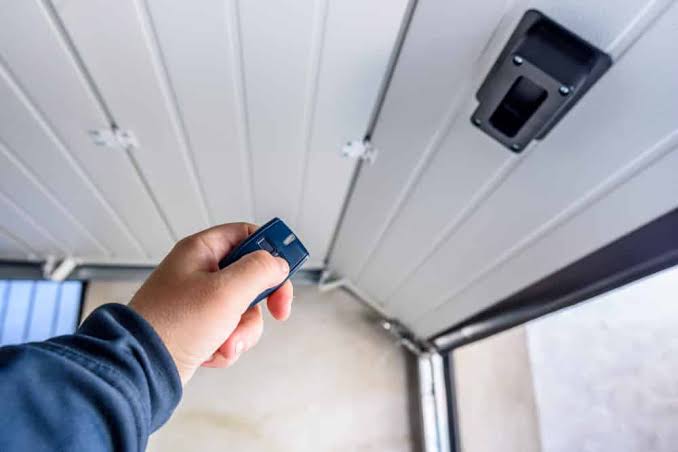
Have you ever worried that a neighbor or a stranger could accidentally—or intentionally—open your garage door using a similar remote? It is a common concern among homeowners who value privacy and security. You might be asking yourself, “Can I change the frequency on my garage door opener?” to prevent this from happening. The short answer is more nuanced than a simple yes or no, but understanding how your system works is the first step toward a safer home.
Understanding How Garage Door Frequencies Work
To answer whether you can change the frequency, we first need to understand what “frequency” means in the context of garage door openers. Most residential garage door openers operate on specific radio frequencies, typically 315 MHz or 390 MHz in North America. These frequencies are standardized by the Federal Communications Commission (FCC) to ensure that devices do not interfere with emergency services, aviation, or other critical communications.
The frequency is determined by the hardware inside your opener unit and the remote control. Specifically, it is set by a crystal oscillator or a ceramic resonator within the circuit board. Because this is a physical hardware component, you cannot simply “tune” or adjust the frequency like you would with a radio dial.
Fixed vs. Rolling Code Technology
In the past, older garage door openers used “fixed codes.” This meant that every time you pressed the button, the remote sent the exact same digital signal. If someone had a universal remote or a code-grabbing device, they could easily copy that signal and open your door.
Modern openers, however, use rolling code technology (also known as hopping code). Each time you press the button, the remote and the opener generate a new, unique code from a shared algorithm. Even if a thief intercepts the signal, it becomes useless immediately after use. While this does not change the radio frequency (the MHz), it drastically changes the security protocol, making unauthorized access nearly impossible for the average intruder.
Why You Cannot Simply Change the Frequency
If you are wondering why manufacturers do not allow users to switch frequencies easily, there are several technical and regulatory reasons:
- Hardware Limitations: As mentioned, the frequency is hardwired into the device’s components. Changing it would require replacing the main circuit board or the entire opener unit.
- Regulatory Compliance: Garage door openers must comply with strict FCC regulations. Allowing users to arbitrarily change frequencies could lead to interference with other devices, which is illegal.
- Compatibility Issues: Your remote control and the opener motor unit must communicate on the exact same frequency. If you changed one without the other, the system would stop working entirely.
For a deeper understanding of radio frequency allocations and regulations, you can refer to the Federal Communications Commission guidelines or general information on Radio spectrum allocation on Wikipedia.
Alternatives to Changing Frequency for Better Security
Since you cannot technically change the frequency of your existing hardware, what can you do to enhance security? Here are the most effective strategies:
1. Reprogram Your Remote Codes
Most modern openers allow you to clear all previously paired remotes and reprogram them. This is useful if:
- You lost a remote.
- You moved into a new home and don’t know who has copies of the old remotes.
- You suspect someone has been using a universal remote to access your garage.
Steps to Reprogram:
- Locate the “Learn” or “Smart” button on your garage door opener motor unit (usually on the back or side).
- Press and hold the button until the indicator light turns off (this clears all codes).
- Press the Learn button again briefly. The light should turn on or blink.
- Within 30 seconds, press the button on your remote control.
- The light on the motor unit should flash or turn off, confirming the new code is saved.
2. Upgrade to a Smart Garage Door Opener
Smart openers connect to your home Wi-Fi and allow you to monitor and control your garage door via a smartphone app. Benefits include:
- Real-time alerts: Get notified when the door opens or closes.
- Remote access: Open or close the door from anywhere.
- Integration: Works with Alexa, Google Assistant, or Apple HomeKit.
- Enhanced encryption: Many smart openers use advanced encryption protocols that are far more secure than traditional RF signals.
3. Install a Garage Door Shield or Faraday Bag
If you are concerned about “code grabbing” devices (which capture the signal from your remote as you approach your house), consider:
- Signal-blocking pouches: Store your remote in a Faraday bag when not in use. This blocks all radio signals from entering or leaving the bag.
- Physical shields: Some aftermarket products claim to block directional signal interception, though their effectiveness varies.
4. Replace the Entire Unit
If your opener is more than 15–20 years old, it likely uses fixed codes and operates on outdated security standards. Replacing it with a new model featuring rolling code technology and encrypted communication is the best long-term solution.
Comparison: Old vs. New Garage Door Openers
| Feature | Older Openers (Pre-1993) | Modern Openers (Post-1993) |
|---|---|---|
| Code Type | Fixed Code | Rolling Code |
| Security Level | Low (Easy to clone) | High (Nearly impossible to clone) |
| Frequency | 315 MHz or 390 MHz | 315 MHz or 390 MHz |
| Interference Risk | High | Low |
| Smart Features | None | Wi-Fi, App Control, Voice Assist |
| Upgrade Path | Replace Unit | Reprogram or Add Smart Hub |
Common Misconceptions About Garage Door Security
There are many myths surrounding garage door security. Let’s debunk a few:
- Myth: “Changing the dip switches changes the frequency.”
- Fact: Dip switches (found on very old models) change the digital code, not the radio frequency. The frequency remains the same.
- Myth: “Universal remotes can open any garage door.”
- Fact: Universal remotes can only mimic fixed codes or learn rolling codes if they are physically programmed to do so. They cannot magically bypass encryption.
- Myth: “Wi-Fi enabled openers are less secure.”
- Fact: Reputable brands use end-to-end encryption. In fact, they are often more secure because you can monitor activity in real-time.
FAQ Section
Q1: Can I change the frequency on my garage door opener from 315 MHz to 390 MHz?
A: No, you cannot change the frequency. The frequency is determined by the physical hardware (crystal oscillator) inside the opener and remote. To switch frequencies, you would need to replace both the motor unit and all remotes with a new system designed for the desired frequency.
Q2: How do I know what frequency my garage door opener uses?
A: Check the label on the back or side of the motor unit, or look at the back of your remote control. It will usually state “315 MHz” or “390 MHz.” You can also consult the user manual or the manufacturer’s website using your model number.
Q3: Is it safe to use a universal garage door remote?
A: Yes, as long as you program it correctly. Universal remotes are designed to work with rolling code systems. However, avoid buying cheap, unbranded universals from unknown sources, as they may lack proper security features.
Q4: Can neighbors interfere with my garage door opener?
A: It is rare but possible if you live in a very dense housing area and both you and your neighbor have older, fixed-code openers on the same frequency. Modern rolling code openers are designed to ignore signals that do not match their unique encryption sequence, eliminating this risk.
Q5: What should I do if I lose my garage door remote?
A: First, try to find it. If it is truly lost, you should clear all codes from your opener and reprogram your remaining remotes. This ensures that anyone who finds the lost remote cannot access your garage. Consider upgrading to a keypad entry system as a backup.
Q6: Does changing the batteries in my remote change the frequency?
A: No, changing batteries only restores power. It does not affect the frequency or the security code. However, weak batteries can cause signal transmission issues, making the opener seem unresponsive.
Conclusion
So, can I change the frequency on my garage door opener? Technically, no. The frequency is a fixed hardware characteristic that cannot be adjusted by the user. However, this limitation does not mean you are stuck with poor security. By understanding the difference between frequency and coding technology, you can take proactive steps to protect your home.
Reprogramming your existing system, upgrading to a smart opener with rolling code technology, or using signal-blocking accessories are all effective ways to enhance security. If your current system is outdated, investing in a new model is the best decision for peace of mind.
Don’t wait until a security breach happens. Take action today by checking your opener’s model number and reviewing its security features. If you found this guide helpful, please share it with friends and family on social media to help them secure their homes too!
Leave a Reply