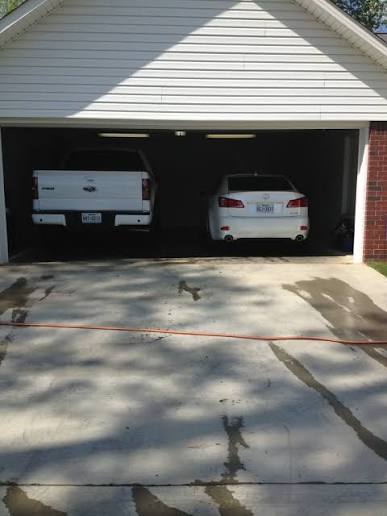
Have you ever stood in front of your garage, keys in hand, wondering if squeezing two vehicles through that single opening is actually feasible? It is a common dilemma for homeowners with limited space or older properties. The short answer to can 2 cars fit in a 16 foot garage door is technically yes, but it requires careful planning, precise driving, and an understanding of vehicle dimensions.
While a 16-foot door is wider than the standard single-car entry, it sits in a gray area between comfortable and cramped. In this guide, we will break down the math, explore the practical challenges, and provide expert tips to help you maximize your garage space without scratching your paint job.
Understanding the Dimensions: The Math Behind the Fit
To determine if your specific situation works, we need to look at the raw numbers. A 16-foot garage door provides exactly 192 inches of horizontal clearance. However, usable space is rarely equal to total space due to structural elements and safety margins.
Standard Vehicle Widths
Most modern sedans, SUVs, and trucks vary significantly in width. Here is a general breakdown:
- Compact Sedans: Approximately 5.5 to 6 feet wide (66–72 inches).
- Mid-Size SUVs/Trucks: Approximately 6.5 to 7 feet wide (78–84 inches).
- Full-Size Trucks/Large SUVs: Often exceed 7.5 feet wide (90+ inches), excluding mirrors.
The Clearance Calculation
If you park two mid-size vehicles side-by-side, each taking up 7 feet (84 inches), you use 14 feet of space. This leaves you with 2 feet (24 inches) of remaining width. Divided by three gaps (left wall, between cars, right wall), that is only 8 inches per gap.
Is 8 inches enough? Barely. Most experts recommend at least 2–3 feet of clearance on either side of a vehicle for comfortable door opening and entry/exit. With a 16-foot door, you are often forced to park closer to the walls and each other than ideal.
People Also Ask: Common Questions About 16-Foot Doors
When homeowners search for answers, they usually have specific concerns about usability. Let’s address the most frequent questions found in search results.
Is a 16-Foot Door Considered a Double Garage Door?
Technically, no. A standard double garage door is typically 16 feet wide, but it is designed to accommodate two compact cars or one large vehicle with ample space. True “double” comfort usually requires an 18-foot door. According to industry standards, a 16-foot door is often classified as a “wide single” or a “tight double.” It serves as a bridge between the standard 8-foot single door and the spacious 18-foot double door.
For more detailed architectural standards on residential garage sizes, you can refer to general housing guidelines on Wikipedia.
Can I Park Two Full-Size Trucks Side-by-Side?
This is where the 16-foot limit becomes problematic. Two full-size trucks, such as a Ford F-150 or Chevrolet Silverado, can easily be over 6.5 feet wide without mirrors. When you add mirrors, the width expands further. If both trucks are 7 feet wide, you have zero room for error. You would likely need to fold in mirrors every time you park, which is inconvenient and risks damaging the mechanism over time.
What About Mirror Clearance?
Mirrors are the silent killer of garage fits. Even if the body of the car fits, extended mirrors can hit the door tracks or the adjacent vehicle.
- Tip: Measure your vehicle’s width with mirrors extended.
- Solution: Consider installing mirror-folding kits if your vehicle does not have automatic folding mirrors.
Practical Challenges of Using a 16-Foot Door for Two Cars
Beyond the raw measurements, daily usability presents several hurdles. Understanding these will help you decide if this setup is right for your lifestyle.
1. Difficulty Entering and Exiting
The most significant issue is not getting the cars in, but getting the drivers out. If two adults are parked side-by-side in a 16-foot space, opening doors fully may be impossible. You might find yourself shimmying out of the driver’s seat, which is particularly challenging for individuals with mobility issues or for parents installing child car seats.
2. Risk of Door Dings
With minimal clearance between vehicles, the risk of “door dings” increases exponentially. Every time a passenger opens their door, there is a high probability of hitting the adjacent car. Over time, this leads to cosmetic damage and decreased resale value.
3. Storage Limitations
A 16-foot garage used for two cars leaves little to no room for storage. Bicycles, lawn mowers, and boxes must be stored elsewhere or hung on the walls above the vehicles. If your garage is also your primary storage area, fitting two cars may force you to declutter aggressively.
Strategies to Make It Work
If you are committed to using your 16-foot garage for two vehicles, here are actionable steps to optimize the space.
Step 1: Precise Measurement
Do not guess. Use a tape measure to record:
- The exact clear width of the garage door opening.
- The width of both vehicles at their widest point (usually mirrors).
- The distance from the door track to the interior wall.
Step 2: Install Parking Guides
Visual aids are crucial for tight spaces. Install floor-mounted parking stops or hang tennis balls from the ceiling at the exact point where your bumper should stop. This ensures both cars are positioned identically every time, maximizing the available gap between them.
Step 3: Utilize Vertical Space
Since floor space is premium, move storage upward. Install overhead racks for seasonal items and slat-wall systems for tools. Keep the floor completely clear to allow for the tightest possible parking alignment.
Step 4: Consider Slimmer Vehicles
If possible, designate the 16-foot garage for a sedan and a compact SUV rather than two large trucks. Mixing vehicle sizes can sometimes create a better fit than trying to squeeze two identical wide vehicles together.
Comparison: 16-Foot vs. 18-Foot Garage Doors
To help you visualize the difference, here is a quick comparison table.
| Feature | 16-Foot Garage Door | 18-Foot Garage Door |
|---|---|---|
| Total Width | 192 inches | 216 inches |
| Comfort Level | Tight/Cramped | Comfortable |
| Vehicle Capacity | 2 Compact/Mid-size | 2 Full-Size Trucks/SUVs |
| Door Opening Ease | Difficult | Easy |
| Storage Space | Minimal | Moderate |
| Ideal For | Small families, urban homes | Larger families, truck owners |
As shown, the extra 2 feet in an 18-foot door makes a massive difference in daily livability. If you are building new or renovating, opting for 18 feet is highly recommended if budget allows.
Expert Tips for Maintenance and Safety
Keeping a tight garage functional requires regular maintenance. The door mechanisms endure more stress when clearance is low because users may rush or misalign vehicles.
- Inspect Tracks Monthly: Ensure the vertical tracks are aligned. A bent track can reduce effective width by inches.
- Lubricate Hinges: Smooth operation prevents jerky movements that could startle a driver into hitting a wall.
- Check Sensors: Ensure safety sensors are clean and aligned. In a tight garage, a malfunctioning sensor can prevent the door from closing, leaving your vehicles exposed.
FAQ Section
Q: Can I widen my existing 16-foot garage door to 18 feet?
A: Widening an existing garage door is a major structural renovation. It involves moving load-bearing walls, adjusting the roofline, and reconfiguring the foundation. It is often as expensive as building a new garage. Consult a structural engineer before attempting this.
Q: What is the minimum width needed for two cars?
A: While 16 feet is the absolute minimum for two small cars, 18 feet is the recommended standard for comfort. For two full-size trucks, 20 feet or wider is ideal.
Q: Do I need a special opener for a 16-foot door?
A: No, standard residential garage door openers work fine for 16-foot doors. However, ensure the motor has enough torque to lift the heavier double-door panels smoothly.
Q: Can I park one car behind the other in a 16-foot wide garage?
A: Yes, if your garage is deep enough (typically 20+ feet). This “tandem” parking style eliminates width issues entirely but requires moving the front car to access the rear one.
Q: How much does it cost to install a 16-foot garage door?
A: Costs vary by material and location, but generally range from $1,500 to $3,500 for installation. Insulated steel doors are popular for their durability and energy efficiency.
Conclusion
So, can 2 cars fit in a 16 foot garage door? Yes, but it is a tight squeeze that demands precision and patience. It works best for smaller vehicles and drivers who are comfortable maneuvering in confined spaces. If you own larger trucks or value easy access, you may find the daily friction frustrating.
By measuring carefully, using parking aids, and keeping the floor clear, you can make this setup work. However, if you are in the planning stages of a home build, strongly consider upgrading to an 18-foot door for long-term satisfaction.
Did you find this guide helpful? Share it with friends who are struggling with garage parking dilemmas, or leave a comment below about your own garage setup!
Leave a Reply