Introduction
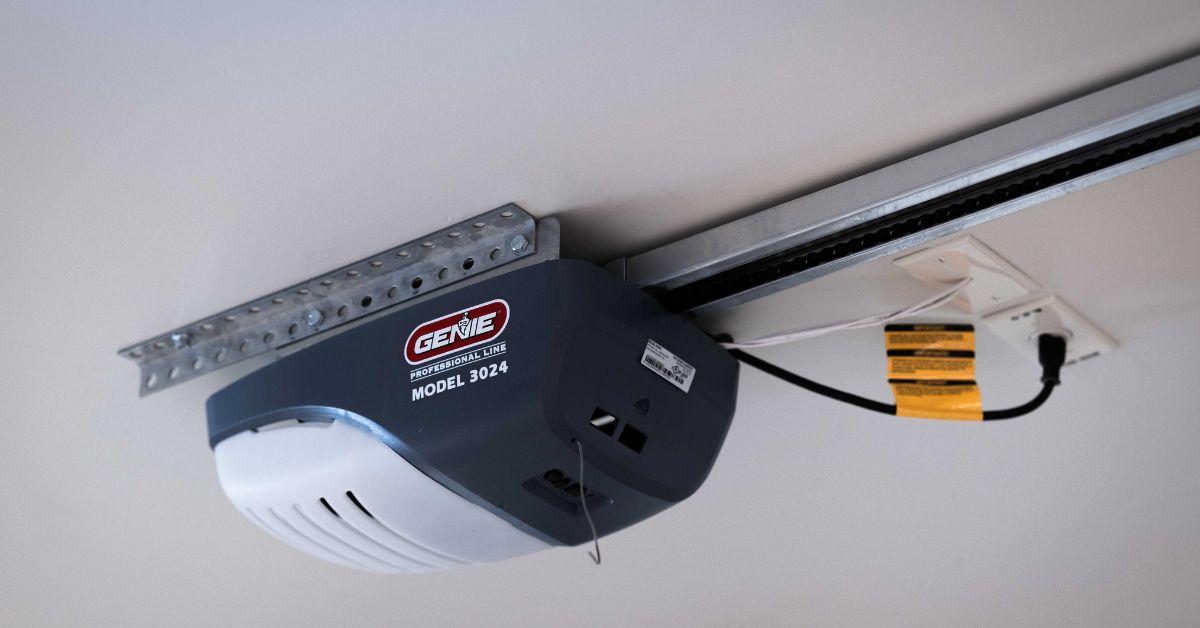
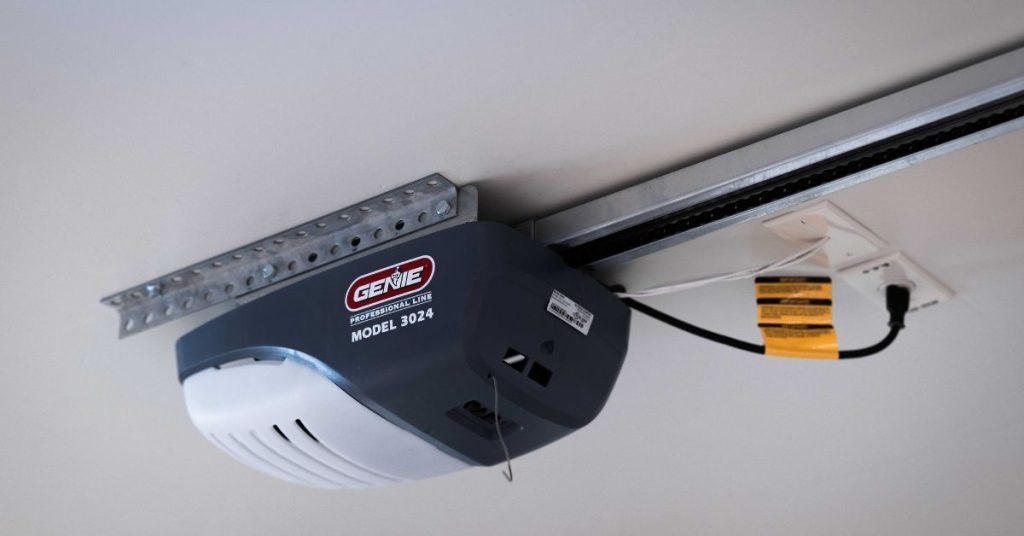
Choosing the right garage door opener can feel overwhelming, especially when you just want a reliable, quiet, and durable system for your daily routine. Whether you are upgrading an old, noisy unit or installing a brand-new system, knowing the best type of garage door opener chain belt or screw is the first step to making a smart, long-term investment. Let’s break down the pros, cons, and ideal use cases for each type so you can drive into your garage with total peace of mind.
Understanding the Core Differences: Chain vs. Belt vs. Screw
Before diving into the specifics, it is essential to understand how these three primary drive systems work. The “drive” refers to the mechanism that physically moves the trolley to open and close your garage door.
- Chain Drive: Uses a metal chain (similar to a bicycle chain) to pull the trolley.
- Belt Drive: Uses a reinforced rubber or fiberglass belt to move the trolley smoothly.
- Screw Drive: Uses a threaded steel rod that rotates to drive the trolley up and down.
For a deeper technical understanding of how these mechanisms evolved and operate, you can explore the foundational mechanics on Wikipedia’s Garage door opener page.
Chain Drive Garage Door Openers: The Heavy-Duty Classic
Chain drive openers are the most traditional and widely used systems in the United States. They are renowned for their raw pulling power and affordability.
Pros:
- Highly Durable: Built to last for decades with basic maintenance.
- Cost-Effective: Typically the most budget-friendly option on the market.
- Heavy-Lifting Capacity: Excellent for oversized, heavy, or solid wood garage doors.
Cons:
- Noisy Operation: The metal-on-metal contact creates noticeable vibration and sound.
- Higher Maintenance: Requires regular lubrication to prevent rust and wear.
Best For: Detached garages, workshops, or homeowners on a strict budget who do not mind operational noise.
Belt Drive Garage Door Openers: The Quiet Champion
If silence is your top priority, the belt drive is universally recommended by industry professionals. These systems replace the metal chain with a steel-reinforced rubber or fiberglass belt.
Pros:
- Whisper-Quiet: The rubber absorbs vibration, making it the quietest option available.
- Smooth Operation: Less vibration means less wear and tear on the garage door’s structural components.
- Low Maintenance: Does not require frequent lubrication like metal chains.
Cons:
- Higher Initial Cost: Usually costs 20% to 30% more than chain drive models.
- Extreme Temperature Sensitivity: Rubber belts can occasionally become brittle in severe, prolonged sub-zero climates (though modern fiberglass belts have largely mitigated this).
Best For: Attached garages, especially those with living spaces, bedrooms, or home offices directly above or adjacent to the garage.
Screw Drive Garage Door Openers: The Low-Maintenance Workhorse
Screw drive openers operate with fewer moving parts than chain or belt systems. A threaded steel rod rotates, guiding the trolley along its length.
Pros:
- Fewer Moving Parts: Translates to less friction and a lower likelihood of mechanical failure.
- Fast Operation: Generally opens and closes doors slightly faster than chain or belt drives.
- Moderate Noise Level: Quieter than chain drives, but not as silent as belt drives.
Cons:
- Temperature Sensitivity: The metal rod expands and contracts with extreme temperature swings, which can require periodic adjustment.
- Requires Specific Lubrication: Needs specialized lithium-based grease, not standard WD-40, to function properly.
Best For: Regions with moderate, stable climates and homeowners who want a balance between durability and minimal maintenance.
Head-to-Head Comparison: Which Drive Type Wins?
| Feature | Chain Drive | Belt Drive | Screw Drive |
|---|---|---|---|
| Noise Level | High (Loudest) | Very Low (Quietest) | Medium |
| Durability | Excellent | Very Good | Good |
| Maintenance | Moderate (Regular lube) | Low (Occasional check) | Moderate (Specific grease) |
| Average Cost | $150 – $250 | $250 – $400 | $200 – $350 |
| Ideal Environment | Detached garage / Heavy doors | Attached garage / Bedrooms above | Moderate climates / Fast operation |
Note: Prices are estimates for the motor unit only and do not include professional installation.
How to Choose the Right Opener: A Step-by-Step Guide
Making the final decision requires evaluating your specific home environment. Follow these concrete steps to ensure you select the perfect system:
- Assess Your Garage Layout:
If your garage is attached to your home and shares a wall with a bedroom or living area, choose a belt drive. The noise reduction is worth the extra investment. - Measure Your Door Weight:
Standard single-car doors weigh around 130–150 lbs, while double-car wooden doors can exceed 350 lbs. For doors over 350 lbs, opt for a ¾ HP (Horsepower) motor or higher, regardless of the drive type. - Evaluate Your Local Climate:
If you live in an area with extreme temperature fluctuations (e.g., below 0°F or above 100°F regularly), avoid screw drives unless they are specifically rated for extreme weather, as thermal expansion can affect the threaded rod. - Plan Your Maintenance Routine:
If you choose a chain drive, commit to applying a dedicated garage door chain lubricant every 6 months. Keep the ambient temperature of your garage between 22–28°C (72–82°F) if possible, to maximize the lifespan of rubber belt components.
Frequently Asked Questions (FAQ)
Q1: Which is better: chain, belt, or screw drive garage door opener?
A: There is no single “best” option for everyone. However, for most modern homes with attached garages, a belt drive is considered the best overall choice due to its quiet operation and low maintenance. Chain drives are better for heavy-duty, budget-conscious applications, while screw drives suit moderate climates with minimal maintenance preferences.
Q2: Are belt drive garage door openers worth the extra cost?
A: Absolutely. According to the International Door Association, over 70% of homeowners use their garage as a primary entrance. The premium you pay for a belt drive (usually $50–$100 more) buys you years of quiet, smooth operation and protects the structural integrity of your door from excessive vibration.
Q3: How long do screw drive garage door openers last?
A: With proper maintenance, a high-quality screw drive opener can last between 10 to 15 years. However, its lifespan can be shortened in environments with extreme temperature fluctuations due to the expansion and contraction of the steel rod.
Q4: What is the most reliable type of garage door opener?
A: Chain drive openers are historically the most reliable in terms of raw mechanical longevity and resistance to breaking under heavy loads. However, belt drives are catching up rapidly in reliability due to advancements in steel-reinforced rubber and fiberglass materials.
Q5: Can I convert my chain drive opener to a belt drive?
A: Yes, most major manufacturers (like LiftMaster or Chamberlain) sell conversion kits. However, you must ensure the new belt assembly is compatible with your existing motor’s rail and trolley system. In many cases, purchasing a new, modern unit with updated safety features (like battery backup and Wi-Fi connectivity) is more cost-effective than converting an old system.
Conclusion
Selecting the right garage door opener ultimately comes down to balancing your budget, your garage’s location, and your tolerance for noise. If you prioritize silence and smooth operation, the belt drive is your champion. If you need raw, budget-friendly power for a detached workshop, the chain drive remains unbeatable. For those seeking a middle ground with fewer moving parts, the screw drive offers a compelling, low-maintenance alternative.
By understanding the best type of garage door opener chain belt or screw for your specific needs, you are investing in the safety, convenience, and value of your home.
Found this guide helpful? Share it with your friends and family on Facebook, Twitter, or Pinterest to help them make the right choice for their home too!
Leave a Reply