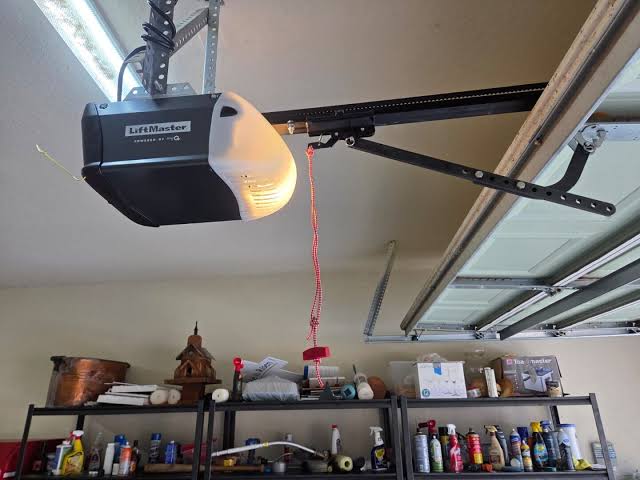
Have you ever stood in the rain, fumbling with keys while trying to manually lift a heavy garage door? It is a frustrating experience that many homeowners face daily, especially as older mechanical systems begin to fail. Understanding the average cost to have a garage door opener installed is the first step toward reclaiming your convenience, security, and peace of mind without breaking the bank.
In this guide, we will break down exactly what you can expect to pay, what factors influence the final bill, and how to choose the right system for your home. Whether you are looking for a basic model or a high-tech smart opener, we have the data you need to make an informed decision.
What Is the Average Cost To Have A Garage Door Opener Installed?
When budgeting for this home improvement project, it is essential to look at both the hardware and the labor. In 2026, the national average cost to have a garage door opener installed ranges between $350 and $650. However, this figure can vary significantly based on the type of opener, the complexity of the installation, and your geographic location.
For a standard chain-drive opener with professional installation, most homeowners pay around $400 to $500. If you opt for premium features like Wi-Fi connectivity, battery backups, or quieter belt-drive systems, the total cost can rise to $800 or more.
Breakdown of Costs
To help you visualize where your money goes, here is a typical cost structure:
- The Unit (Hardware): $150 – $400
- Labor (Professional Installation): $150 – $300
- Additional Parts (Rails, Sensors, Remotes): $50 – $100
It is worth noting that if your existing garage door is old or damaged, you may incur additional repair costs before the new opener can be safely installed. Always ask your technician for a thorough inspection during the quote phase.
How Do Different Types of Openers Affect the Price?
Not all garage door openers are created equal. The mechanism they use to lift the door plays a massive role in both performance and price. Understanding these differences will help you decide if the extra cost is worth it for your specific needs.
| Type of Opener | Average Unit Cost | Noise Level | Durability | Best For |
|---|---|---|---|---|
| Chain Drive | $150 – $250 | High | High | Budget-conscious buyers; detached garages |
| Belt Drive | $250 – $350 | Low | High | Homes with bedrooms above/near the garage |
| Screw Drive | $200 – $300 | Medium | Medium | Areas with stable temperatures |
| Direct Drive | $300 – $450 | Very Low | Very High | Premium installations; minimal maintenance |
| Smart/Wi-Fi | +$50 – $100 | Varies | High | Tech-savvy users; remote access needs |
Chain-drive openers are the most affordable and durable, but they are also the noisiest. They use a metal chain similar to a bicycle chain to move the trolley. If your garage is attached to your house and you have living spaces nearby, the noise might be disruptive.
Belt-drive openers, on the other hand, use a rubber belt. They are significantly quieter and smoother, making them ideal for attached garages. While they cost more upfront, many homeowners find the reduction in noise pollution well worth the investment.
For those interested in the mechanics behind these systems, you can read more about the general principles of automated door systems on Wikipedia.
Why Does Labor Cost Vary So Much?
You might wonder why one contractor quotes $150 for labor while another asks for $300. Several factors influence professional installation rates.
First, geographic location plays a huge role. Labor rates in major metropolitan areas like New York City or San Francisco are naturally higher than in rural areas due to the higher cost of living and business overhead.
Second, the condition of your current setup matters. If you are replacing an old opener, the technician may need to remove the existing unit, dispose of it, and potentially repair worn-out tracks or springs. This adds time and effort to the job.
Third, urgency can impact price. If you need same-day or emergency service, expect to pay a premium. Scheduling your installation during regular business hours, preferably mid-week, can often secure you a better rate.
Can I Install a Garage Door Opener Myself to Save Money?
Many DIY enthusiasts consider installing the opener themselves to save on labor costs. While this is possible, it comes with significant caveats.
The Pros of DIY Installation
- Cost Savings: You save $150–$300 in labor fees.
- Learning Experience: You gain a better understanding of your home’s mechanics.
- Flexibility: You can work on your own schedule.
The Cons and Risks
- Safety Hazards: Garage doors are heavy and under high tension. Incorrect installation can lead to serious injury or property damage.
- Voided Warranty: Many manufacturers require professional installation to validate the warranty. If you install it yourself and it breaks, you may be on the hook for the full replacement cost.
- Time-Consuming: For a beginner, installation can take 4–6 hours or more, compared to a professional’s 2–3 hours.
If you choose the DIY route, ensure you have a helper, the right tools (including a sturdy ladder and wrench set), and carefully follow the manufacturer’s instructions. Never attempt to adjust the torsion springs yourself; this task should always be left to professionals due to the extreme danger involved.
What Hidden Fees Should You Watch Out For?
When getting quotes, always ask for a detailed breakdown to avoid surprises. Common hidden fees include:
- Disposal Fees: Some companies charge $20–$50 to haul away your old opener.
- Electrical Work: If your garage lacks a nearby outlet, an electrician may need to install one, costing an additional $100–$200.
- Upgraded Remotes: Basic kits come with one or two remotes. Extra remotes or keypads usually cost extra.
- Service Call Fees: Some companies charge a fee just to show up, which may or may not be applied toward the final bill.
Always get at least three written estimates before committing to a provider. This ensures you are comparing apples to apples and helps you identify any outliers in pricing.
FAQ Section
Q: How long does it take to install a garage door opener?
A: A professional installer typically takes between 2 to 4 hours to complete the job. This includes removing the old unit (if applicable), assembling the new rail, mounting the motor, and testing the safety sensors.
Q: Do I need a special electrical outlet for my garage door opener?
A: Most modern openers plug into a standard 120-volt outlet. However, the outlet should be located near the ceiling where the motor will be mounted. If you do not have an outlet in that location, you will need to hire an electrician to install one.
Q: How often should I replace my garage door opener?
A: The average lifespan of a garage door opener is 10 to 15 years. If your unit is older than this, makes excessive noise, or struggles to lift the door, it may be time for a replacement. Regular maintenance can extend its life.
Q: Are smart garage door openers worth the extra cost?
A: For many homeowners, yes. Smart openers allow you to monitor and control your garage door from your smartphone, receive alerts if the door is left open, and integrate with home automation systems like Alexa or Google Home. This added security and convenience often justify the higher price tag.
Q: Will a new opener fix a noisy garage door?
A: Not necessarily. While a belt-drive opener is quieter than a chain-drive, noise often comes from the door itself—such as worn rollers, loose hinges, or lack of lubrication. A technician can diagnose whether the noise is from the opener or the door mechanism.
Conclusion
Investing in a new garage door opener is more than just a convenience; it is an upgrade to your home’s security and functionality. By understanding the average cost to have a garage door opener installed, you can budget effectively and avoid overpaying. Remember, while the initial price tag matters, the quality of installation and the type of opener you choose will impact your satisfaction for years to come.
Whether you choose a budget-friendly chain drive or a premium smart belt drive, ensure you hire a reputable professional if you are not confident in your DIY skills. Your safety and the longevity of the system depend on it.
Did you find this guide helpful? Share it with your friends on social media who might be struggling with their own garage door issues! Let’s help everyone enjoy the ease of a smooth-operating garage.
Leave a Reply