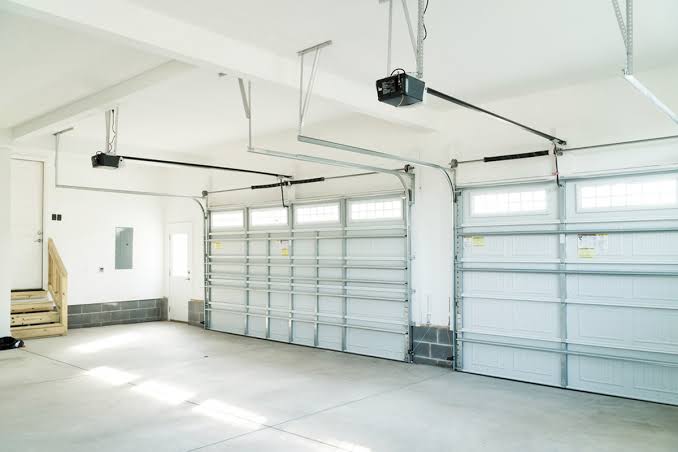
Replacing a garage door is one of those home improvement projects that sits at the intersection of necessity and curb appeal. Whether your current door is dented, noisy, or simply outdated, knowing what to expect financially is crucial for budgeting. The average cost of new garage door and opener installed typically ranges between $1,200 and $4,500, depending on materials, style, and automation features.
In this guide, we will break down every dollar spent, helping you make an informed decision without the stress of hidden fees or surprise charges.
What Is the Average Cost Breakdown?
Understanding the total price tag requires looking at its two main components: the door itself and the mechanical opener system. While many homeowners focus solely on the door’s appearance, the opener is equally vital for convenience and security.
The Garage Door Component
The door accounts for approximately 60–70% of the total project cost. Prices vary significantly based on material:
- Steel: The most popular choice due to durability and affordability. Single-layer steel doors start around $300, while insulated double-layer models range from $800 to $1,500.
- Wood: Offers premium aesthetics but requires high maintenance. Expect to pay between $1,500 and $4,000.
- Aluminum/Glass: Modern and lightweight, ideal for contemporary homes. Costs range from $1,200 to $3,500.
The Garage Door Opener Component
The opener adds functionality and safety. Basic chain-drive models are budget-friendly, while smart Wi-Fi-enabled belt-drive systems offer quiet operation and remote access.
- Basic Chain-Drive: $150–$250
- Quiet Belt-Drive: $250–$400
- Smart/Wi-Fi Enabled: $300–$600
| Component | Low-End Cost | High-End Cost |
|---|---|---|
| Garage Door | $300 | $4,000+ |
| Opener Unit | $150 | $600 |
| Labor & Hardware | $200 | $800 |
| Total Project | $650 | $5,400+ |
Note: These figures represent national averages. Local labor rates and material availability can cause fluctuations.
How Does Material Choice Impact Price?
Your choice of material is the single biggest factor influencing the average cost of new garage door and opener installed. Each material offers distinct benefits regarding insulation, durability, and maintenance.
Steel: The Budget-Friendly Workhorse
Steel doors are resistant to warping and cracking. They are often filled with polyurethane or polystyrene foam for insulation. If you live in an area with extreme temperatures, investing in a higher R-value (insulation rating) steel door can save on energy bills.
Wood: The Aesthetic Premium
Wood doors provide unmatched natural beauty and can be customized to match your home’s trim. However, they require regular staining or painting to prevent rot and insect damage. For many homeowners, the visual payoff justifies the higher upfront and maintenance costs.
Aluminum and Glass: The Modern Look
These doors are corrosion-resistant and allow natural light into the garage. They are lighter than steel, which may require less robust springs, potentially lowering hardware costs. However, they offer less insulation unless specifically engineered with thermal breaks.
For more detailed information on material properties and historical usage in construction, you can refer to Wikipedia’s entry on Garage Doors.
What Are the Labor and Installation Fees?
Many DIY enthusiasts wonder if they can save money by installing the door themselves. While possible, garage door installation involves heavy lifting and high-tension springs that can be dangerous if handled incorrectly.
Professional Installation Costs
Professional installers typically charge between $200 and $800 for labor. This fee includes:
- Removal and disposal of the old door.
- Assembly and hanging of the new door sections.
- Installation of tracks, hinges, and rollers.
- Mounting and programming the opener.
- Safety sensor alignment and testing.
Why Hire a Pro?
- Safety: Torsion springs store immense energy. A slip can cause serious injury.
- Warranty: Most manufacturers void warranties if the door is not installed by a certified professional.
- Precision: Proper alignment ensures smooth operation and extends the lifespan of the opener motor.
Do I Need to Replace the Opener Too?
If your existing opener is less than five years old and compatible with the new door’s weight, you might save money by reusing it. However, there are compelling reasons to replace both simultaneously.
Compatibility Issues
Newer doors, especially insulated ones, may be heavier than older models. An old opener might struggle to lift the new door, leading to premature motor failure.
Technology Upgrades
Modern openers come with MyQ technology or similar smart features that allow you to monitor and control your garage via smartphone. If your current opener lacks these features, upgrading during installation is cost-effective since the labor overlap is minimal.
Security Enhancements
Older openers use fixed codes that can be easily intercepted. Newer models use rolling code technology, which changes the access code every time the remote is used, significantly enhancing home security.
What Additional Costs Should I Anticipate?
Beyond the base price of the door and opener, several additional factors can affect your final bill. Being aware of these helps avoid sticker shock.
Structural Modifications
If your garage opening is non-standard size, custom ordering is required, which can add $500–$1,000 to the cost. Additionally, if the framing needs repair due to rot or water damage, expect carpentry charges.
Insulation and Weatherstripping
While many doors come pre-insulated, adding extra weatherstripping around the perimeter improves energy efficiency. This minor upgrade usually costs $50–$100 but pays off in long-term comfort.
Disposal Fees
Some contractors include old door removal in their quote, while others charge a separate disposal fee of $50–$100. Always clarify this before signing the contract.
Permits
In some municipalities, replacing a garage door requires a building permit, especially if structural changes are made. Permit fees vary widely but typically range from $50 to $200.
FAQ Section
1. How long does it take to install a new garage door and opener?
A professional team can typically complete the installation in 4 to 6 hours. This includes removing the old door, installing the new sections, mounting the opener, and performing safety tests. Complex custom doors may take longer.
2. Can I install a garage door opener myself?
While technically possible, it is not recommended for beginners. The process involves electrical wiring, precise alignment of sensors, and adjusting spring tension. Incorrect installation can lead to safety hazards and void warranties.
3. What is the lifespan of a garage door opener?
Most garage door openers last between 10 and 15 years with regular maintenance. Belt-drive models tend to last longer than chain-drive models because they have fewer moving parts subject to friction.
4. Does a new garage door increase home value?
Yes. According to various real estate studies, replacing a garage door offers one of the highest returns on investment (ROI) among home improvement projects, often recouping 90–95% of the cost upon resale due to improved curb appeal.
5. How often should I maintain my garage door?
It is recommended to perform a basic inspection every six months. Lubricate moving parts like rollers and hinges, check the balance of the door, and test the auto-reverse safety feature monthly.
6. What is the most energy-efficient garage door material?
Insulated steel doors with a high R-value (R-12 or higher) are generally the most energy-efficient. They provide excellent thermal resistance, keeping your garage cooler in summer and warmer in winter, which is beneficial if the garage is attached to your home.
Conclusion
Investing in a new garage door and opener is more than just a functional upgrade; it is a significant boost to your home’s security, energy efficiency, and aesthetic value. By understanding the average cost of new garage door and opener installed, you can budget effectively and choose the right combination of materials and technology for your needs.
Remember, while upfront costs matter, considering long-term durability and energy savings will yield better value over time. Don’t hesitate to get multiple quotes from licensed professionals to ensure you receive fair pricing and quality service.
If you found this guide helpful, please share it with friends or family who are planning their own home improvements. Your network might thank you for saving them from costly mistakes!
Leave a Reply