Introduction
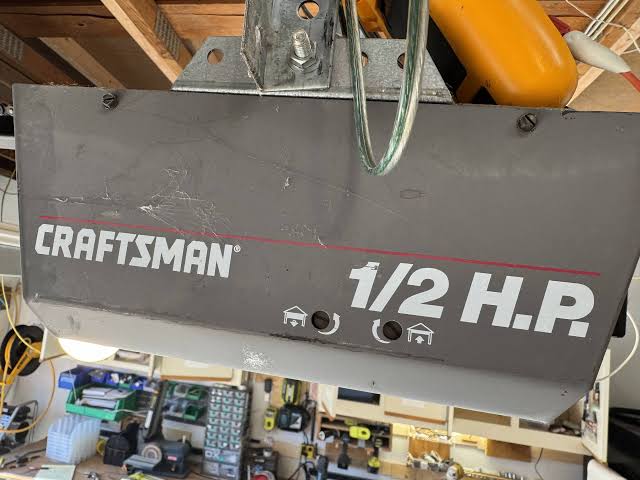
Choosing the right garage door opener can feel overwhelming, especially when you are staring at spec sheets filled with horsepower ratings that seem confusingly similar. Many homeowners struggle to decide between standard models, often wondering if saving a few dollars on a weaker motor will cost them more in repairs later. Understanding the real-world differences in a 1/2 HP vs 1/3 HP garage door opener comparison is essential to ensuring your door operates smoothly, quietly, and safely for years to come.
In this guide, we will break down exactly what these horsepower ratings mean for your specific setup. We will look beyond the marketing jargon to help you make an informed decision based on your door’s weight, material, and daily usage habits.
What Do Horsepower Ratings Actually Mean?
Before diving into the comparison, it is crucial to understand what “horsepower” (HP) signifies in the context of garage door openers. Unlike cars, where HP dictates speed and acceleration, in garage openers, it primarily indicates torque or lifting capacity.
A higher horsepower rating means the motor has more strength to lift heavier doors and withstand frequent use without straining. However, it does not necessarily mean the door will open faster. Most residential openers operate at similar speeds, regardless of whether they are 1/3 HP or 1/2 HP. The difference lies in their ability to handle resistance, such as cold weather stiffness, heavy insulation, or slight misalignments in the tracks.
According to industry standards, most single-car garage doors weigh between 130 and 150 pounds, while double-car doors can range from 200 to over 300 pounds if insulated. This weight differential is the primary factor driving the need for different motor sizes. For a deeper technical understanding of mechanical power transmission, you can refer to general engineering principles on Wikipedia.
Key Differences: 1/3 HP vs 1/2 HP Openers
When comparing a 1/2 HP vs 1/3 HP garage door opener, several critical factors come into play. Let’s break them down to see which one aligns with your needs.
1. Lifting Capacity and Door Weight
The most significant difference is raw power.
- 1/3 HP Openers: These are entry-level motors designed for lightweight, single-layer doors. They are ideal for non-insulated steel or aluminum doors that typically weigh under 150 pounds. If you have a basic, older model door without extra reinforcement, a 1/3 HP unit might suffice.
- 1/2 HP Openers: This is the current industry standard for most residential homes. A 1/2 HP motor can comfortably handle single-layer doors up to 200 pounds and many insulated double-layer doors. It provides enough torque to manage the added weight of windows, decorative hardware, or thermal insulation.
Expert Insight: Most professional installers recommend avoiding 1/3 HP openers for any door that has insulation. The added weight, even if minimal, puts strain on a smaller motor, leading to premature wear.
2. Durability and Lifespan
Motor strain directly impacts longevity. A motor that operates near its maximum capacity every day will heat up more and experience more wear on its gears and components.
- 1/3 HP: Because these motors work harder to lift even moderate-weight doors, they tend to have a shorter lifespan. You may find yourself replacing the unit or repairing the gear assembly within 5–7 years.
- 1/2 HP: With more power than strictly necessary for lighter doors, a 1/2 HP motor operates with less strain. This “over-engineering” results in cooler operation and a longer lifespan, often lasting 10–15 years with proper maintenance.
3. Noise Levels
While horsepower itself doesn’t dictate noise, the type of drive system associated with these HP ratings often does.
- 1/3 HP units are almost exclusively chain-drive models. Chain drives are known for their metallic clanking sound, which can be disruptive if your garage is attached to your living space or if you have bedrooms above the garage.
- 1/2 HP units are available in chain, belt, and screw drives. Belt-drive 1/2 HP openers are significantly quieter, using rubber belts instead of metal chains. If noise is a concern, a 1/2 HP belt-drive is superior to any 1/3 HP option.
Comparison Table: At a Glance
| Feature | 1/3 HP Opener | 1/2 HP Opener |
|---|---|---|
| Best For | Lightweight, single-layer doors | Insulated, double-layer, or heavy doors |
| Max Door Weight | ~150 lbs | ~200–250 lbs |
| Durability | Moderate (Higher strain) | High (Lower strain) |
| Noise Level | Generally louder (Chain only) | Variable (Quiet belt options available) |
| Price Point | Budget-friendly ($150–$200) | Mid-range ($200–$300) |
| Ideal Usage | Occasional use | Daily, frequent use |
When Should You Choose a 1/3 HP Opener?
Despite the advantages of higher horsepower, there are still scenarios where a 1/3 HP opener is a viable choice.
- Budget Constraints: If you are flipping a house or managing a rental property with low-end fixtures, the lower upfront cost of a 1/3 HP unit can be appealing.
- Lightweight Doors: If you have a small, single-car garage with a thin, non-insulated aluminum door, a 1/3 HP motor provides adequate power.
- Detached Garages: If your garage is detached from your home, noise is less of a concern, making the louder chain-drive mechanisms typical of 1/3 HP units acceptable.
However, keep in mind that the price difference between a 1/3 HP and a 1/2 HP opener is often only $30–$50. For such a small increase in cost, the jump in durability and performance is usually worth it.
Why 1/2 HP Is the Better Standard Choice
For the majority of American homeowners, a 1/2 HP opener is the sweet spot. Here is why it dominates the market:
- Versatility: It handles both single and double-car doors effectively. Whether you upgrade to an insulated door later or add windows, a 1/2 HP motor can likely handle the added weight without needing replacement.
- Availability of Features: Higher-end features like Wi-Fi connectivity, battery backups, and smart home integration are rarely found in 1/3 HP models. These features are standard in many 1/2 HP units.
- Resale Value: Home inspectors and potential buyers view a robust garage door opener as a sign of a well-maintained home. A strained, underpowered opener can raise red flags during inspections.
Installation Considerations
Whether you choose a 1/3 HP or 1/2 HP model, proper installation is key to performance.
- Check Your Springs: The garage door springs do most of the lifting work. The opener just guides the door. If your springs are broken or poorly tensioned, even a 1/2 HP opener will struggle. Always ensure your springs are balanced before installing a new opener.
- Mounting Strength: Ensure the ceiling joist or mounting bracket can support the weight of the motor unit. Heavier 1/2 HP belt-drive units may require reinforced mounting compared to lighter 1/3 HP chain drives.
- Safety Sensors: Regardless of HP, ensure your photo-eye sensors are aligned correctly. This is a federal safety requirement in the US and prevents the door from closing on people or pets.
FAQ Section
Q1: Can I upgrade from a 1/3 HP to a 1/2 HP opener easily?
A: Yes, in most cases. The mounting brackets and rail systems are often compatible across different horsepower ratings from the same manufacturer. However, you may need to adjust the travel limits and force settings on the new unit to accommodate the increased power.
Q2: Does a higher HP mean the door opens faster?
A: No. The speed of the door is determined by the gear ratio and the motor’s RPM design, not just the horsepower. Both 1/3 HP and 1/2 HP openers typically open doors at similar speeds (around 6–8 inches per second). The extra HP provides torque, not speed.
Q3: Is a 1/2 HP opener too powerful for a light door?
A: No. Modern openers have adjustable force settings. You can dial down the sensitivity so the motor doesn’t exert excessive force on a lightweight door. Using a slightly more powerful motor ensures longevity and reduces strain, even on light doors.
Q4: How do I know how much my garage door weighs?
A: You can estimate based on material and size. A standard single-layer steel door (9×7 ft) weighs about 130–150 lbs. An insulated double-layer door of the same size can weigh 180–200 lbs. If unsure, consult your door’s manual or contact the manufacturer.
Q5: Are there 3/4 HP or 1 HP openers for homes?
A: Yes, but they are typically reserved for very heavy wooden doors, oversized custom doors, or commercial applications. For 99% of residential homes, 1/2 HP is sufficient, and 1/3 HP is the bare minimum.
Q6: Will a 1/3 HP opener void my door’s warranty?
A: It might. Some garage door manufacturers specify a minimum horsepower requirement for their warranties. Using an underpowered opener that strains the door components could potentially void coverage. Always check your door’s warranty terms.
Conclusion
When deciding between a 1/2 HP vs 1/3 HP garage door opener, the choice largely depends on your door’s weight and your long-term expectations. While the 1/3 HP model offers a lower initial price tag, it is limited to lightweight, non-insulated doors and may require earlier replacement. The 1/2 HP model, however, stands out as the versatile, durable, and quieter option that suits most modern homes.
Investing in a 1/2 HP opener ensures that your garage door operates smoothly, handles future upgrades like insulation, and integrates with modern smart home features. It is a small price to pay for peace of mind and convenience.
Did you find this guide helpful? Share it with your friends on Facebook or Twitter who might be struggling with their garage door choices! Don’t forget to leave a comment below if you have any questions about your specific setup.
Leave a Reply