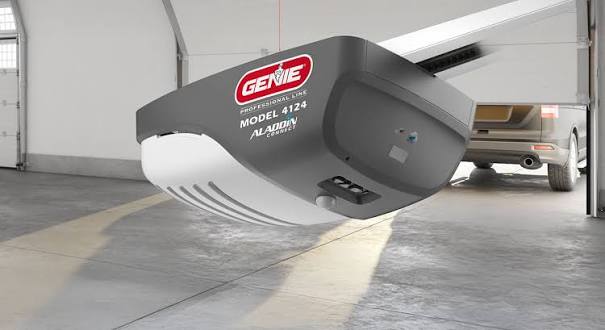
Is your morning routine halted because your vehicle is trapped inside the garage? It is incredibly frustrating when technology fails us at the most inconvenient times. If you are asking, “Why won’t my Genie garage door opener work?“ you are not alone. This is a common issue that often has simple solutions before you need to call a professional technician.
In this guide, we will walk you through the most frequent causes of Genie opener failures. We will provide clear, actionable steps to diagnose and fix the problem yourself, saving you time and money. Let’s get your garage door moving again.
Check the Power Source First
Before diving into complex mechanical issues, always start with the basics. A surprising number of “broken” openers are simply unplugged or suffering from a power outage.
Is the Unit Plugged In?
It sounds obvious, but vibrations from the door’s movement can sometimes loosen the power cord. Check the outlet where your Genie motor unit is plugged in. Ensure the plug is secure. If you have other devices, test the outlet to confirm it is receiving electricity.
Inspect the Circuit Breaker
If the outlet is dead, check your home’s circuit breaker panel. Look for any tripped breakers labeled “Garage” or “Outlet.” Reset them if necessary. If the breaker trips again immediately, you may have a short circuit in the wiring, which requires an electrician.
Pro Tip: If your Genie opener has a battery backup system, ensure the battery is charged. A depleted backup battery can prevent operation during power fluctuations.
Diagnose Remote Control and Keypad Issues
If the wall button works but the remote does not, the issue lies with the remote or its signal, not the motor itself. This is one of the most common reasons users ask why their Genie garage door opener won’t work.
Replace the Batteries
Weak batteries are the primary culprit for remote failure. Even if the LED light on the remote blinks, the signal may be too weak to reach the motor.
- Step 1: Open the remote casing.
- Step 2: Replace old batteries with fresh alkaline ones (usually CR2032 or AA, depending on the model).
- Step 3: Test the remote from within 10 feet of the motor.
Reprogram the Remote
Interference or accidental resets can erase the remote’s code. You may need to re-sync it.
- Locate the “Learn” button on your Genie motor unit. It is usually purple, red, or green.
- Press and release the Learn button. The indicator light will blink.
- Within 30 seconds, press and hold the button on your remote until the motor lights flash or you hear a click.
Check for Signal Interference
LED light bulbs in your garage can emit frequency interference that blocks remote signals. Try turning off any LED bulbs in the garage and testing the remote again. If it works, replace the bulbs with Genie-approved LED bulbs or standard incandescent bulbs.
Inspect Safety Sensors and Alignment
Modern Genie openers are equipped with safety sensors near the floor on both sides of the door. If these are misaligned or blocked, the door will refuse to close or open to protect people and objects.
Clean the Sensor Lenses
Dirt, spiderwebs, or dust can obstruct the infrared beam. Wipe the sensor lenses with a soft, dry cloth. Ensure nothing is blocking the path between the two sensors.
Verify Alignment
Look at the LED lights on the sensors.
- Solid Light: Indicates proper alignment.
- Blinking Light: Indicates misalignment or obstruction.
To realign:
- Loosen the wing nuts on the sensor brackets.
- Adjust the sensors until both LEDs glow steadily.
- Tighten the nuts carefully without shifting the position.
According to safety standards outlined by consumer protection agencies, never bypass these sensors. They are critical for preventing accidents. For more information on garage door safety standards, you can refer to Wikipedia’s page on Garage Door Openers.
Examine Mechanical Components and Limits
If the motor runs but the door doesn’t move, or if it moves partially and stops, the issue is likely mechanical or related to travel limits.
Check the Travel Limit Settings
Genie openers have settings that determine how far the door opens and closes. If these are set incorrectly, the door may reverse prematurely.
- Open Limit: Adjusts how high the door goes.
- Close Limit: Adjusts how firmly the door seals on the ground.
Refer to your specific model’s manual for adjustment screw locations. Typically, you turn the screw clockwise to increase travel and counter-clockwise to decrease it. Make small adjustments (quarter-turns) and test after each change.
Inspect the Drive Mechanism
Genie uses different drive types: Chain, Screw, or Belt.
- Chain Drive: Check for loose chains. Tighten if necessary, but do not over-tighten.
- Screw Drive: Lubricate the screw with a lithium-based grease. Avoid WD-40 as it attracts dust.
- Belt Drive: Inspect for cracks or wear. A worn belt may slip and fail to lift the door.
Test the Door Balance
A heavy or unbalanced door can strain the opener. Disconnect the opener by pulling the red emergency release cord. Manually lift the door halfway. If it does not stay in place, the springs are unbalanced. Do not attempt to adjust springs yourself; they are under high tension and dangerous. Call a professional technician.
Resetting Your Genie Garage Door Opener
Sometimes, electronic glitches require a full system reset. This clears all programmed remotes and keypads, so you will need to reprogram them afterward.
Steps to Perform a Hard Reset:
- Unplug the Genie motor unit from the power source.
- Wait for at least 60 seconds to allow capacitors to discharge.
- Plug the unit back in.
- Press the “Learn” button to clear existing codes (indicator light will go out).
- Reprogram your remotes and keypads as described in the previous section.
This process often resolves mysterious connectivity issues and restores factory default settings.
When to Call a Professional
While many issues are DIY-friendly, some situations require expert assistance. Attempting complex repairs can void warranties or cause injury.
| Scenario | Action Required |
|---|---|
| Broken Springs | Call a Pro. High tension hazard. |
| Motor Humming but Not Moving | Call a Pro. Internal gear failure likely. |
| Electrical Wiring Issues | Call an Electrician. Fire hazard. |
| Persistent Sensor Failure | Call a Pro. May need sensor replacement. |
If your Genie opener is older than 10 years, consider replacing it. Newer models offer better security, quieter operation, and smartphone connectivity.
FAQ Section
Q1: Why does my Genie garage door opener reverse immediately after closing?
A: This is usually due to obstructed safety sensors or incorrect close-limit settings. Check sensor alignment first. If sensors are clear, adjust the close-limit screw slightly to reduce the force required to seal the door.
Q2: My Genie remote works intermittently. What should I do?
A: Intermittent function often points to weak batteries or signal interference. Replace batteries first. If the issue persists, check for LED light bulb interference in the garage or nearby areas. Reprogramming the remote may also help.
Q3: How do I know if my Genie opener’s motor is burnt out?
A: If the motor makes no sound, does not light up, and the power source is confirmed working, the motor may be burnt out. A burning smell or visible smoke is a definitive sign. In this case, replacement is necessary.
Q4: Can I use any universal remote with my Genie opener?
A: Most modern Genie openers use Intellicode technology, which is compatible with many universal remotes. However, ensure the universal remote specifically lists compatibility with Genie Intellicode models. Older dip-switch models require specific matching.
Q5: Why won’t my Genie garage door opener work from outside the garage?
A: This is typically a range or interference issue. Metal doors, thick walls, or neighboring Wi-Fi networks can block signals. Try installing a signal repeater or relocating the motor unit’s antenna for better reception.
Q6: Is it safe to bypass the safety sensors to make the door work?
A: No. Bypassing safety sensors is extremely dangerous and violates safety regulations. It can lead to severe injury or death. Always fix the sensor issue properly or consult a professional.
Conclusion
Dealing with a malfunctioning garage door is stressful, but understanding why won’t my Genie garage door opener work empowers you to take control. Most issues stem from simple causes like power disruptions, dead remote batteries, or misaligned sensors. By following the step-by-step troubleshooting guide above, you can often resolve the problem quickly and safely.
Remember, regular maintenance—such as lubricating moving parts and checking sensor alignment—can prevent future breakdowns. If you encounter complex mechanical failures or electrical issues, do not hesitate to contact a certified technician.
Did this guide help you fix your Genie opener? Share this article with friends and family who might be struggling with their garage doors. Stay safe and keep your home accessible!
Leave a Reply