Have you ever pressed the button to leave for work, only to watch your garage door stop halfway up, leaving you stranded? It is a frustrating and surprisingly common issue that disrupts your daily routine and raises immediate safety concerns. If you are asking yourself, “Why won’t my garage door open all the way?” you are not alone, and the good news is that most causes are fixable with a little know-how.
In this guide, we will walk you through the most likely culprits, from simple sensor misalignments to mechanical track issues. We will provide clear, step-by-step solutions to help you diagnose the problem safely and efficiently, ensuring your garage door operates smoothly again.
1. Are the Travel Limit Settings Incorrect?
The most common reason a garage door stops before reaching the fully open position is an issue with the travel limit settings. Modern garage door openers use electronic limit switches to tell the motor when to stop moving up or down. Over time, these settings can drift due to temperature changes, regular wear, or power surges.
If the “up” limit is set too low, the motor will cut power prematurely, causing the door to halt mid-air. This is a safety feature designed to prevent the door from crashing into the ceiling or damaging the opener mechanism.
How to Adjust Travel Limits
Most openers have two adjustment screws or dials on the main motor unit, often labeled “Up” and “Down” or marked with arrows. Here is how to adjust them:
- Locate the Adjustment Screls: Look for small plastic screws on the side or back of the motor housing. They are usually white or black and may require a flathead screwdriver.
- Identify the Direction: Turn the “Up” limit screw slightly in the direction indicated by the arrow (usually clockwise increases the travel distance).
- Test Incrementally: Adjust the screw by no more than one-quarter turn at a time. Press the wall button to test the door.
- Repeat Until Fixed: Continue small adjustments until the door opens fully and seals tightly against the header bracket.
Pro Tip: Never force the door manually to test limits. Always use the motorized controls to ensure the safety sensors remain engaged during testing.
2. Is Something Blocking the Safety Sensors?
Garage doors are equipped with photo-eye sensors near the floor on both sides of the door opening. These sensors create an invisible beam; if anything interrupts this beam, the door will refuse to close or may stop opening as a safety precaution. While primarily designed to prevent closing on objects, dirty or misaligned sensors can cause erratic behavior during the opening cycle as well.
Check the LED lights on each sensor. Typically, one sensor has a green light (power) and the other has an amber or red light (alignment). If the amber light is blinking or off, the sensors are misaligned.
Quick Sensor Fix Checklist
- Clean the Lenses: Wipe the sensor lenses with a soft, dry cloth to remove dust, spiderwebs, or dirt.
- Check Alignment: Ensure both sensors are pointing directly at each other. They should be at the same height and angle.
- Remove Obstructions: Clear any boxes, bikes, or debris from the path between the sensors.
- Tighten Brackets: Loose brackets can shift the sensors out of alignment. Tighten the wing nuts or screws holding them in place.
For more detailed technical specifications on safety standards, you can refer to the Underwriters Laboratories (UL) safety standards which govern garage door operator safety requirements.
3. Are the Tracks Misaligned or Damaged?
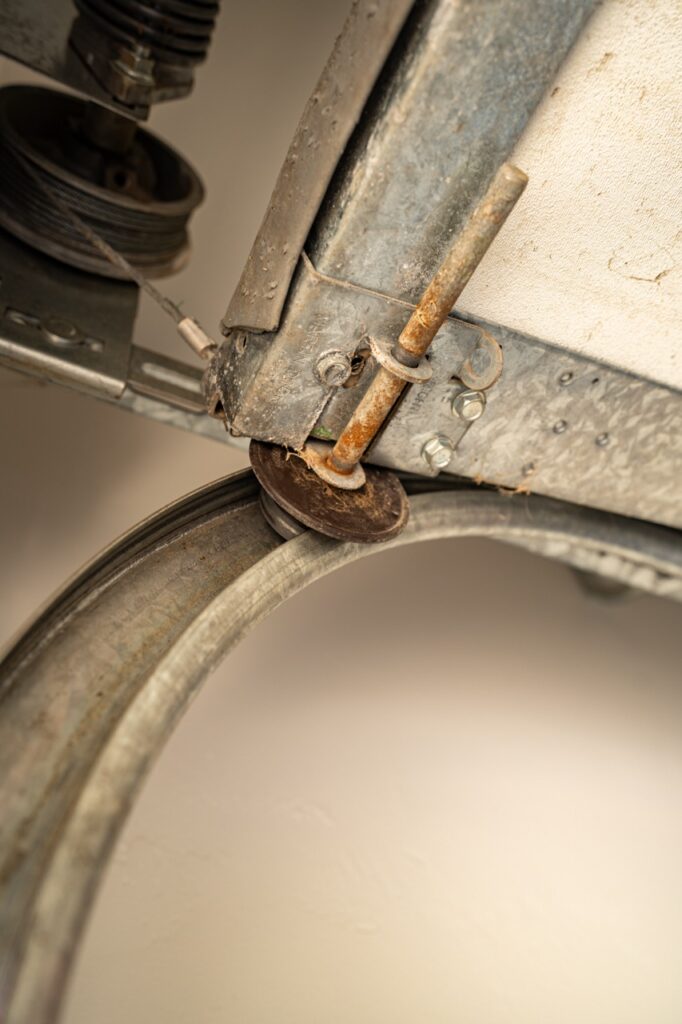
The metal tracks on either side of your garage door guide the rollers as the door moves. If these tracks become bent, dented, or misaligned, the rollers can get stuck, causing the door to stop abruptly. This is particularly common in older homes or after extreme weather events.
Inspect the tracks visually from the bottom to the top. Look for any visible dents, gaps between the track and the wall, or loose bolts. Even a minor bend can create enough friction to halt the door’s progress.
Track Maintenance Steps
- Disconnect the Opener: Pull the emergency release cord to disconnect the door from the motor. This allows you to move the door manually.
- Manual Test: Lift the door by hand. It should move smoothly with minimal resistance. If it sticks or jerks, the issue is likely mechanical.
- Tighten Hardware: Use a socket wrench to tighten all bolts securing the tracks to the wall and ceiling.
- Check Level: Use a level to ensure the vertical tracks are perfectly plumb. If they are leaning, loosen the bolts, adjust the track, and retighten.
| Issue | Symptom | Solution |
|---|---|---|
| Bent Track | Door jerks or stops at specific point | Straighten with rubber mallet or replace section |
| Loose Bolts | Track shifts when door moves | Tighten all mounting hardware |
| Debris in Track | Grinding noise, uneven movement | Clean track with brush and vacuum |
4. Do the Rollers Need Lubrication or Replacement?
Rollers are the wheels that allow your garage door to glide along the tracks. Over time, they can become worn out, cracked, or simply dry. Dry rollers create excessive friction, forcing the motor to work harder and potentially triggering the safety reversal mechanism if the strain is too high.
Listen closely when the door operates. A squeaking or grinding noise is a clear indicator that your rollers need attention. Nylon rollers are quieter and smoother than steel ones, but both require regular maintenance.
Lubrication Best Practices
- Use the Right Product: Avoid WD-40 as it attracts dust. Instead, use a silicone-based lubricant or a dedicated garage door spray.
- Apply Sparingly: Spray a small amount on the roller bearings and the hinge points. Wipe away any excess to prevent dripping.
- Inspect for Damage: If a roller is cracked or chipped, it must be replaced. Do not attempt to repair damaged rollers, as they can fail catastrophically.
5. Is the Spring Tension Balanced?
Garage doors are heavy, and the springs counterbalance that weight. If one spring is broken or losing tension, the door becomes unbalanced. An unbalanced door puts immense strain on the opener, which may stop the door mid-cycle to prevent motor burnout.
To check balance, disconnect the opener using the emergency release cord and lift the door halfway. Let go. If the door stays in place, it is balanced. If it falls or rises quickly, the springs are out of adjustment.
Warning: Garage door springs are under extreme tension. Never attempt to adjust or replace springs yourself. This is a job for a certified professional due to the high risk of serious injury.
6. Could Remote Control Batteries Be Weak?
Sometimes the issue is not with the door itself but with the signal. Weak batteries in your remote control can send an inconsistent signal, causing the opener to receive partial commands. This might result in the door starting to open but stopping unexpectedly.
Replace the batteries in your remote control with fresh alkaline batteries. Also, check the battery compartment for corrosion. If the problem persists, try using the wall-mounted button inside the garage. If the wall button works perfectly, the issue is definitely with the remote or its signal interference.
7. Is There Power Supply Interruption?
Finally, ensure that the garage door opener is receiving consistent power. A loose plug, a tripped circuit breaker, or a faulty outlet can cause intermittent operation. Check the GFCI outlet in your garage to ensure it hasn’t tripped. Reset it if necessary and test the door again.
FAQ Section
Q: Why does my garage door open partway and then close automatically?
A: This is typically a safety sensor issue. The door starts to open, but if the sensors detect an obstruction or are misaligned, the system reverses the door to prevent damage. Check the sensor lights and ensure the path is clear.
Q: Can I adjust the force settings on my garage door opener?
A: Yes, most openers have force adjustment settings. However, increasing the force beyond manufacturer recommendations can be dangerous and may void your warranty. Only adjust force settings if the door is properly balanced and lubricated.
Q: How often should I lubricate my garage door?
A: It is recommended to lubricate the moving parts of your garage door, including rollers, hinges, and springs, at least twice a year. This prevents wear and ensures smooth operation.
Q: What should I do if my garage door makes a loud popping noise?
A: A loud pop often indicates a broken spring or cable. Stop using the door immediately and contact a professional technician. Attempting to operate a door with a broken spring can cause further damage and safety hazards.
Q: Is it safe to use my garage door if it doesn’t open all the way?
A: No, it is not safe. A door that doesn’t open fully may fall unexpectedly or damage the opener motor. Additionally, it compromises home security. Address the issue promptly before regular use.
Conclusion
Dealing with a garage door that won’t open all the way is stressful, but understanding the root cause empowers you to take action. Whether it is a simple sensor cleaning, a limit switch adjustment, or a call to a professional for spring repair, addressing the issue early prevents costly repairs later.
By following the steps outlined above, you can troubleshoot most common issues safely and effectively. Remember, regular maintenance is key to longevity. Keep your tracks clean, your rollers lubricated, and your sensors aligned.
If you found this guide helpful, please share it with friends or neighbors who might be facing similar garage door woes. A well-functioning garage door is essential for home security and convenience, so don’t let a half-open door slow you down!
Leave a Reply