Introduction
There is nothing quite as frustrating as pulling into your driveway after a long day, pressing the remote, and hearing… silence. Your garage door remains stubbornly shut, and panic sets in. You might be asking yourself, “Why is there no power to my garage door opener?” It is a common issue that affects thousands of homeowners across the US every year, often caused by simple electrical glitches rather than major mechanical failures.
In this guide, we will walk you through a systematic troubleshooting process. We aim to help you identify the root cause and restore functionality without necessarily calling an expensive technician. By following these steps, you can save time, money, and stress. Let’s get your garage door moving again.
Check the Obvious: Is the Unit Plugged In?
Before diving into complex electrical diagnostics, we must address the most common oversight. It sounds trivial, but a significant percentage of “no power” calls are resolved by simply ensuring the unit is connected to a power source.
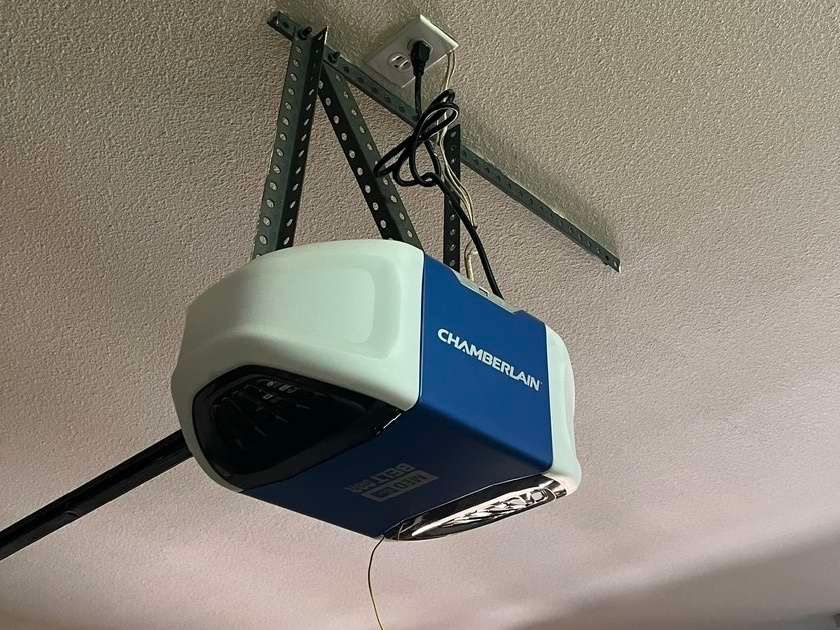
Garage door openers are typically plugged into a standard 120-volt outlet located on the ceiling or upper wall of the garage. Over time, vibrations from the door’s movement can loosen the plug. Additionally, if you recently cleaned the garage or moved items around, the cord may have been accidentally unplugged.
Action Step:
- Locate the power cord of your garage door opener motor unit.
- Ensure it is firmly seated in the wall outlet.
- If it feels loose, unplug it and plug it back in securely.
If the unit has a light bulb, try pressing the light button on the wall console or remote. If the light turns on, the unit has power, and the issue may lie with the motor or safety sensors instead.
Inspect the Circuit Breaker and GFCI Outlets
If the plug is secure but the unit is still dead, the next likely culprit is your home’s electrical panel. Garage door openers draw a specific amount of amperage, and any surge or short circuit can trip the breaker.
The Circuit Breaker Box
Head to your main electrical panel. Look for a breaker labeled “Garage,” “Garage Door,” or potentially just “Outlets.” If the switch is in the middle position or flipped to “OFF,” it has tripped.
- How to Reset: Flip the breaker fully to the “OFF” position, then firmly push it back to “ON.” You should hear a distinct click.
- Warning: If the breaker trips again immediately, do not keep resetting it. This indicates a serious short circuit in the wiring or the motor unit itself, requiring a professional electrician.
The GFCI Outlet Factor
Many modern garages are equipped with Ground Fault Circuit Interrupter (GFCI) outlets for safety. These outlets have “Test” and “Reset” buttons. If a GFCI outlet upstream in the circuit has tripped, it may cut power to your garage door opener even if the breaker looks fine.
Check all GFCI outlets in your garage, basement, or even outdoor areas. Press the “Reset” button if it has popped out. For more detailed information on how GFCI outlets function and their safety standards, you can refer to the comprehensive guide on Wikipedia.
Test the Wall Outlet with Another Device
Sometimes, the issue isn’t with the opener or the breaker, but with the wall outlet itself. Outlets can wear out over time, especially in environments with temperature fluctuations like a garage.
Diagnostic Test:
- Unplug the garage door opener.
- Plug in a device you know works, such as a lamp, a phone charger, or a radio.
- Turn the device on.
- If the device works: The outlet is functional. The problem lies within the garage door opener’s internal power supply or cord.
- If the device does not work: The outlet is dead. This confirms an electrical supply issue. You may need to replace the outlet or check the wiring behind it. Note: Always turn off the breaker before attempting any wiring repairs.
Examine the Power Cord for Damage
Garage door opener cords are subject to wear and tear. They hang from the ceiling, potentially exposed to heat, cold, and even pests like rodents who may chew on the insulation.
Visually inspect the entire length of the power cord from the motor unit to the plug. Look for:
- Frayed insulation: Exposed wires are a fire hazard and will prevent power delivery.
- Chew marks: Signs of mice or rats.
- Cracks or brittleness: Common in older cords due to age.
If you find any damage, do not attempt to tape it up. Electrical codes generally prohibit splicing low-voltage appliance cords in this manner. Replace the entire power cord or contact the manufacturer for a replacement part.
Internal Fuse Blown in the Motor Unit
Many modern garage door openers, particularly brands like LiftMaster, Chamberlain, and Craftsman, have an internal fuse on the logic board. This fuse protects the sensitive electronics from power surges. If there was a recent storm or power spike in your neighborhood, this fuse may have blown.
How to Check:
- Safety First: Unplug the opener from the wall.
- Remove the light lens cover (usually held by two screws or clips).
- Locate the logic board. It is usually a green or blue circuit board.
- Look for a small glass or ceramic fuse. It may be labeled “FUSE.”
- Visually inspect the filament inside the glass. If it is broken or blackened, the fuse is blown.
Replacement: You will need to replace it with a fuse of the exact same rating (e.g., 5A 250V). These are inexpensive and available at hardware stores. If you are uncomfortable working with circuit boards, this is a good point to call a professional.
Remote Control and Wall Button Issues
Sometimes, users believe there is “no power” because the door doesn’t respond to the remote. However, the motor unit might have power, but the signal isn’t getting through.
Check the Remote Batteries
Weak batteries are the number one cause of remote failure. Replace the batteries with fresh alkaline ones. Avoid using rechargeable batteries as they often have lower voltage output which may not trigger the sensor correctly.
Lock Feature on Wall Console
Check your wall-mounted control panel. Many units have a “Lock” or “Vacation” mode. If this is activated, the remote signals are ignored to prevent unauthorized entry. Look for a blinking LED light on the wall button; a steady light usually means it’s unlocked, while a blinking light often indicates lock mode. Consult your manual to disable this feature.
When to Call a Professional
While DIY troubleshooting solves most issues, some scenarios require expert intervention. Knowing when to stop is crucial for your safety.
| Scenario | Action Required |
|---|---|
| Burnt Smell | Immediately unplug the unit. Do not use. Call a pro. |
| Sparks from Outlet | Danger of fire. Turn off main breaker. Call an electrician. |
| Repeated Breaker Trips | Indicates a short circuit. Requires professional diagnosis. |
| Old Unit (15+ Years) | Parts may be obsolete. Consider full replacement. |
If your garage door opener is more than 10–15 years old, it may be reaching the end of its lifespan. Modern openers are more energy-efficient and come with enhanced security features like rolling code technology.
FAQ Section
1. Why does my garage door opener have power but won’t open?
If the light on the motor unit turns on but the door doesn’t move, the issue is likely not electrical power. Check the safety sensors near the floor. If the LED lights on the sensors are blinking or off, they are misaligned or blocked. Also, check if the emergency release cord has been pulled, disconnecting the door from the motor.
2. Can a power surge permanently damage my garage door opener?
Yes. A significant power surge, such as from lightning or a grid fluctuation, can fry the logic board or capacitor inside the opener. If the unit shows no signs of life after checking breakers and fuses, the internal electronics may be destroyed, requiring a board replacement or a new unit.
3. How often should I test my garage door opener’s power and function?
It is recommended to test your garage door’s operation monthly. Listen for unusual noises and ensure it opens and closes smoothly. Additionally, test the safety reversal feature by placing a 2×4 piece of wood on the floor in the door’s path. The door should reverse immediately upon contact.
4. Is it safe to repair the electrical wiring of my garage door opener myself?
Minor tasks like replacing a plug or resetting a breaker are generally safe for homeowners. However, working inside the motor housing or repairing wall wiring involves risk of electric shock. If you are unsure about your electrical skills, always hire a licensed electrician or a certified garage door technician.
5. Why does my garage door opener lose power intermittently?
Intermittent power loss often points to a loose connection. Check the wall outlet for loose terminals, inspect the plug for wear, and ensure the circuit breaker is tight. It could also indicate a failing GFCI outlet that needs replacement.
Conclusion
Dealing with a garage door that won’t open is stressful, but understanding why is there no power to my garage door opener empowers you to take control. In most cases, the solution is as simple as resetting a breaker, plugging in a loose cord, or replacing a battery. By following the systematic steps outlined above, you can diagnose and fix the majority of power-related issues safely and efficiently.
Remember, regular maintenance prevents unexpected failures. Keep an eye on your unit’s performance and address minor quirks before they become major problems.
Did this guide help you restore power to your garage? Share this article with friends and family on social media to help them troubleshoot their home maintenance issues too! Stay safe and keep your garage secure.
Leave a Reply