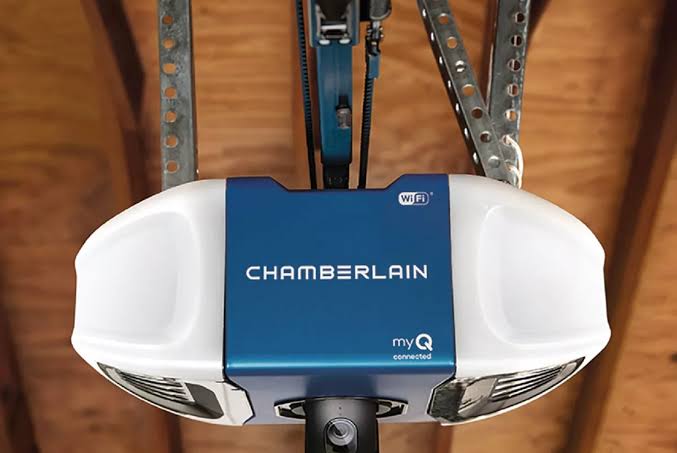
If you have ever stood in your driveway, rain pouring down, pressing the remote button only to hear silence, you know the frustration. A malfunctioning garage door disrupts your daily routine and can even pose security risks. You are likely asking yourself, “Why is my Chamberlain garage door opener not working?” This guide provides clear, actionable steps to diagnose and fix the most common issues, helping you get back on track quickly and safely.
Check the Power Source First
Before diving into complex mechanical diagnostics, always start with the basics. Many “broken” openers are simply unplugged or experiencing a power interruption.
Verify the Outlet and Circuit Breaker
Ensure the unit is plugged in securely. It sounds obvious, but vibrations from the motor can sometimes loosen plugs over time. Next, check your home’s circuit breaker panel. If the breaker for the garage has tripped, reset it. If it trips again immediately, you may have a short circuit in the wiring or the motor itself, requiring professional attention.
Inspect the Battery Backup
Modern Chamberlain models come with battery backup systems. If your main power is out, the unit should still operate via battery. However, if the battery is old or depleted, the opener will fail. Look for a flashing LED light on the motor head; specific blink patterns often indicate low battery status. Refer to your manual for the exact code, but generally, replacing the backup battery every 3–5 years is recommended.
Examine the Remote Control and Keypad
If the wall switch works but the remote does not, the issue lies with the handheld device or its signal transmission.
Replace the Batteries
Weak batteries are the number one cause of remote failure. Even if the LED light on the remote blinks, the signal strength may be too weak to reach the receiver. Use fresh, high-quality alkaline batteries. Avoid mixing old and new batteries.
Reprogram the Remote
Sometimes, the remote loses its sync with the opener. To reprogram:
- Locate the “Learn” button on the motor unit (usually yellow, purple, or red).
- Press and release the Learn button. The indicator light will turn on.
- Within 30 seconds, press and hold the button on your remote.
- Release the button when the lights on the motor unit blink or turn off.
If multiple remotes fail simultaneously, the issue is likely with the opener’s receiver board, not the remotes themselves.
Inspect the Safety Sensors
Safety sensors are critical components that prevent the door from closing if an object or person is in the way. Misaligned or dirty sensors are a frequent culprit when asking why is my Chamberlain garage door opener not working.
Check the Indicator Lights
Each sensor has an LED light. One should be solid green (power), and the other solid amber or red (receiving signal). If either light is blinking or off, the beam is blocked or misaligned.
Clean and Align the Sensors
- Clean the Lenses: Wipe the sensor lenses with a soft, dry cloth. Dust, spiderwebs, or dirt can block the infrared beam.
- Check Alignment: Ensure both sensors are facing each other directly. They should be at the same height, typically 6 inches above the floor. Gently adjust the brackets until the lights become solid.
- Remove Obstructions: Clear any boxes, bikes, or debris from the path between the sensors.
According to the Consumer Product Safety Commission, garage door sensors are mandatory safety features designed to prevent entrapment injuries. Never bypass them.
Evaluate the Mechanical Components
If the electronics seem fine, the problem may be mechanical. Garage doors are heavy, and their components undergo significant stress.
Look for Obstructed Tracks
Inspect the metal tracks on both sides of the door. Remove any debris, nails, or dirt. Check for dents or bends in the track. A bent track can cause the rollers to jam, preventing movement. Do not attempt to hammer a bent track back into shape yourself, as this can weaken the metal. Call a professional for track repairs.
Test the Door Balance
A poorly balanced door puts excessive strain on the opener. To test balance:
- Disconnect the opener by pulling the emergency release cord (usually a red handle).
- Manually lift the door halfway.
- Let go. If the door stays in place, it is balanced. If it falls or rises, the springs are unbalanced.
Warning: Garage door springs are under extreme tension. Never attempt to adjust or replace them yourself. This task requires specialized tools and training.
Lubricate Moving Parts
Squeaking or grinding noises indicate friction. Apply a silicone-based lubricant or lithium grease to:
- Roller bearings
- Hinges
- Springs (lightly)
- Lock assembly
Avoid using WD-40 as it attracts dust and dries out quickly. Proper lubrication extends the life of your opener and reduces noise.
Review the Limit Settings
If the door opens or closes partially and then reverses, the travel limit settings may be incorrect. These settings tell the motor how far to move the door.
Adjusting Travel Limits
Most Chamberlain openers have two adjustment screws or buttons labeled “Up” and “Down.”
- Press the wall button to close the door.
- If it reverses before hitting the floor, increase the “Down” limit slightly.
- If it hits the floor hard and struggles, decrease the “Down” limit.
- Repeat for the “Up” limit to ensure the door opens fully without straining.
Refer to your specific model’s manual for precise instructions, as mechanisms vary between belt-drive and chain-drive units.
When to Call a Professional
While many issues are DIY-friendly, some situations require expert intervention. Consider calling a certified technician if:
- The garage door springs are broken or damaged.
- The motor hums but the door does not move (possible gear failure).
- Electrical wiring appears frayed or burnt.
- You have attempted basic troubleshooting without success.
Professional technicians have the tools and expertise to handle high-tension components and complex electrical diagnostics safely.
FAQ Section
Why does my Chamberlain garage door opener click but not move?
A clicking sound usually indicates that the motor is receiving power but cannot engage the drive mechanism. This often points to a stripped plastic gear inside the motor head. Over time, these gears wear out and need replacement. It could also mean the emergency release cord is partially engaged, disconnecting the trolley from the door.
How do I reset my Chamberlain garage door opener?
To reset the opener’s memory, locate the “Learn” button on the motor unit. Press and hold it for approximately 6–10 seconds until the indicator light turns off. This clears all programmed remotes and keypads. You will need to reprogram all your devices afterward.
Why does my garage door reverse immediately after touching the floor?
This is typically caused by the force sensitivity setting being too high or the close limit switch being misadjusted. The door senses resistance (the floor) and interprets it as an obstruction, triggering the safety reversal. Adjust the force control dial slightly counter-clockwise to reduce sensitivity.
Can weather affect my garage door opener?
Yes. Extreme cold can thicken lubricants, making the door harder to move. Heat can expand metal tracks, causing alignment issues. Additionally, moisture can corrode electrical contacts. Regular maintenance, including seasonal lubrication and inspection, helps mitigate weather-related problems.
How long do Chamberlain garage door openers last?
With proper maintenance, a Chamberlain garage door opener typically lasts 10–15 years. Belt-drive models tend to last longer than chain-drive models due to less wear and tear. Regularly checking batteries, lubricating parts, and ensuring proper balance can extend its lifespan.
Conclusion
Understanding why is my Chamberlain garage door opener not working empowers you to take control of your home maintenance. From simple battery replacements to sensor realignment, most issues can be resolved with patience and the right knowledge. Remember to prioritize safety, especially when dealing with springs and electrical components.
If you found this guide helpful, please share it with friends or neighbors who might be struggling with their garage doors. A well-functioning garage door ensures convenience, security, and peace of mind for your entire household. Stay proactive, and keep your home running smoothly!
Leave a Reply