Introduction
There is nothing quite as frustrating as pressing your remote control, hearing the motor hum, and watching your garage door stop halfway up. It leaves your car exposed and disrupts your daily routine. If you are asking yourself, “why is garage door not opening all the way,” you are not alone. This is one of the most common household maintenance issues in the United States.
The good news is that in many cases, this problem does not require an expensive professional service call. Often, it is a simple adjustment or a minor obstruction causing the halt. In this guide, we will walk you through the most likely culprits, from misaligned sensors to incorrect travel limits, providing you with actionable steps to get your door moving smoothly again.
Check the Safety Sensors First
Before diving into mechanical adjustments, always start with the easiest fix: the safety sensors. Modern garage doors are equipped with photo-eye sensors near the floor on both sides of the door. These are designed to prevent the door from closing on people, pets, or objects. However, if they are misaligned or dirty, they can also prevent the door from opening fully or cause it to reverse immediately.
How to Inspect and Align Sensors
- Look for the Lights: Most sensors have an LED light. Typically, one sends a beam (amber or orange) and the other receives it (green). If the receiving light is blinking or off, the alignment is broken.
- Clean the Lenses: Use a soft, dry cloth to wipe away any dust, spiderwebs, or dirt. Even a thin layer of grime can block the infrared beam.
- Check Alignment: Ensure both sensors are pointing directly at each other. They should be at the same height. If one has been bumped by a lawn mower or a bicycle, gently adjust it until the lights stabilize.
According to general home safety standards, these sensors are a critical component of automatic door systems. For more detailed technical specifications on how these safety mechanisms work, you can refer to the broader engineering principles found on Wikipedia’s page on Garage Door Openers.
Adjust the Travel Limit Settings
If your sensors are clean and aligned, but the door still stops short of the fully open position, the issue likely lies with the travel limit settings. These settings tell the motor exactly how far to move the door up and down. Over time, vibrations from daily use can cause these settings to drift.
Identifying the Limit Switches
On most garage door opener units (the motor box hanging from the ceiling), you will find two adjustment screws or dials. They are usually labeled:
- Up Limit / Open Limit
- Down Limit / Close Limit
They are often colored differently (e.g., one black, one white) to help you distinguish them. Consult your owner’s manual to identify which is which, as brands like LiftMaster, Chamberlain, and Genie vary slightly in design.
Step-by-Step Adjustment Guide
Warning: Always keep your hands clear of moving parts during adjustment.
- Locate the Up Limit Screw: Find the screw designated for the “up” or “open” travel.
- Make Small Adjustments: Turn the screw in small increments. Usually, turning it clockwise increases the travel distance, while counter-clockwise decreases it. Note: Check your specific model’s manual, as this can vary.
- Test the Door: Press the wall button to operate the door. Watch how high it goes.
- Repeat if Necessary: If it still doesn’t open all the way, turn the screw slightly more and test again. Do not over-adjust, as this can strain the motor or cause the door to hit the header.
Inspect the Tracks and Rollers
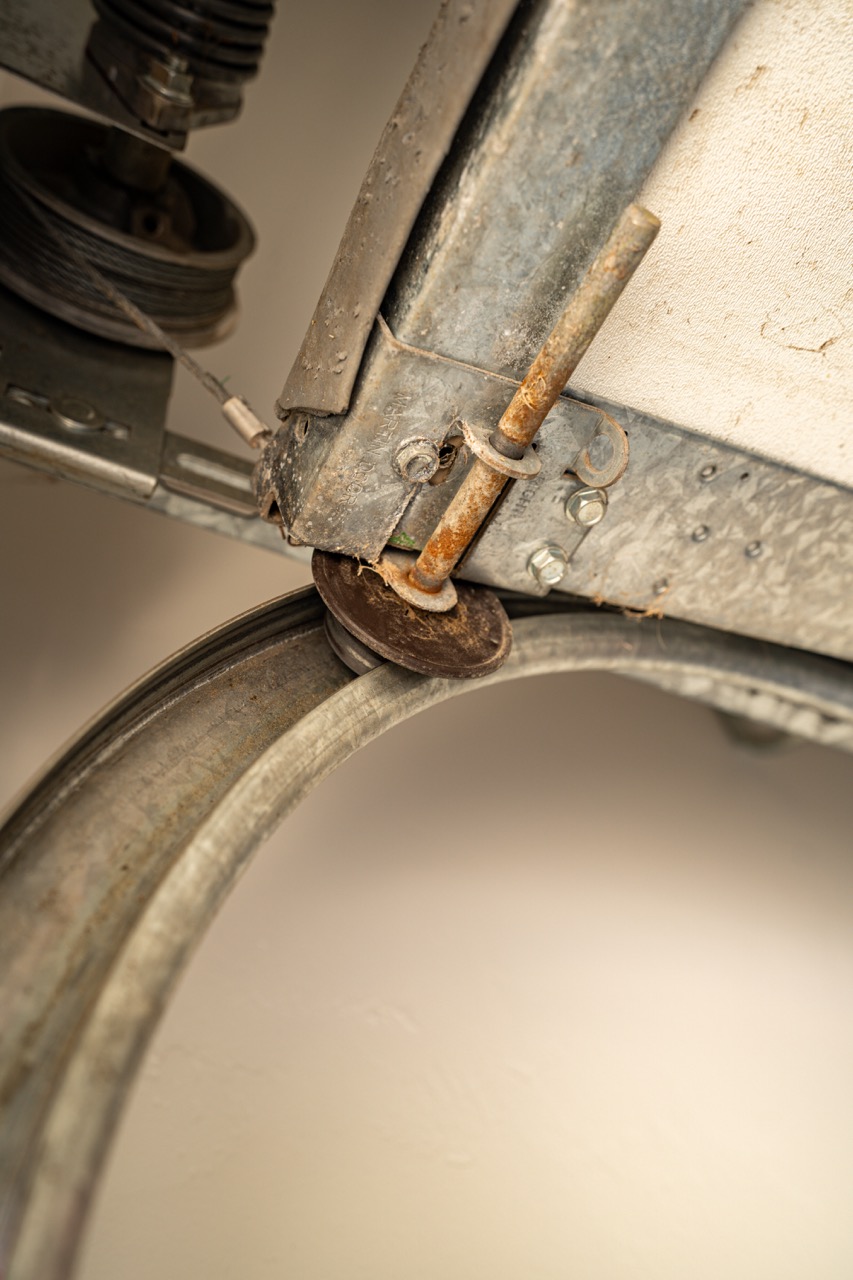
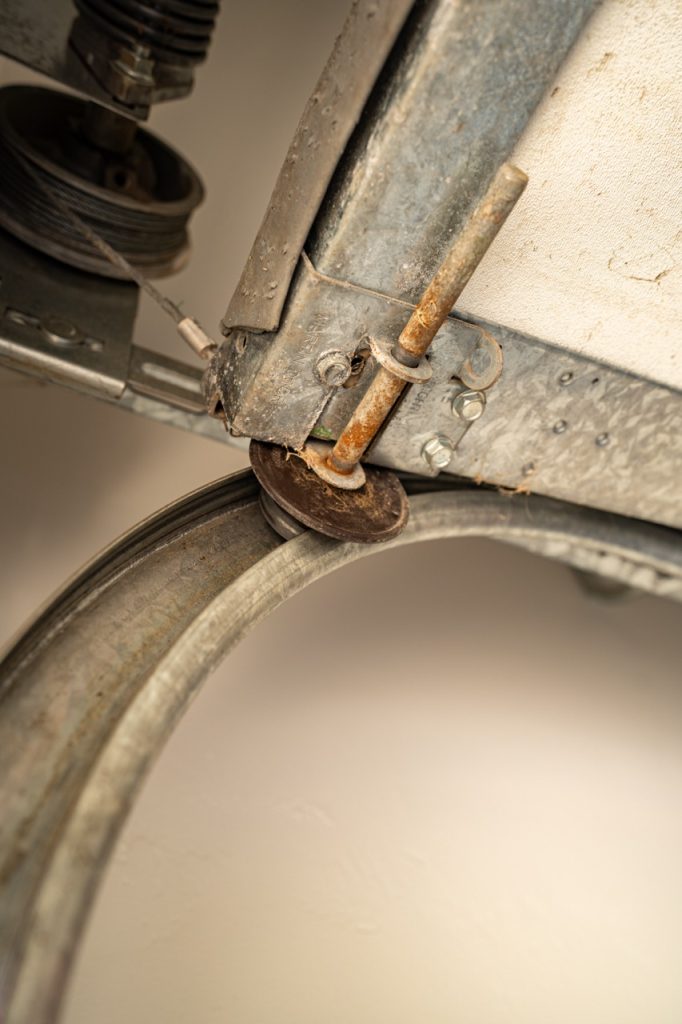
Physical obstructions are a frequent reason why a garage door halts mid-cycle. The door travels along metal tracks, and if these tracks are bent, dirty, or obstructed, the rollers will jam.
What to Look For
- Debris: Leaves, twigs, or small stones can get lodged in the track.
- Bent Tracks: Look for any dents or bends in the metal rails. Even a slight bend can cause the roller to jump out of place.
- Loose Hardware: Check the brackets that hold the tracks to the wall and ceiling. If they are loose, the track may shift out of alignment.
Cleaning and Lubrication
To ensure smooth movement, clean the tracks with a damp cloth to remove grit. Then, apply a silicone-based lubricant or a specialized garage door lubricant to the rollers and hinges. Avoid using WD-40 as a long-term lubricant, as it attracts dust and can gum up the mechanism over time.
| Component | Recommended Action | Frequency |
|---|---|---|
| Tracks | Clean with damp cloth | Monthly |
| Rollers | Lubricate with silicone spray | Every 6 Months |
| Hinges | Lubricate with silicone spray | Every 6 Months |
| Springs | Do Not Touch – Call a Pro | N/A |
Examine the Springs and Cables
If the door feels heavy or struggles to lift, the issue might be with the torsion springs or extension springs. These components counterbalance the weight of the door, making it easy for the motor to lift it.
Signs of Spring Failure
- Gap in Torsion Spring: If you have a spring above the door, look for a visible gap in the coils. This indicates it has broken.
- Snapped Cable: If the cable hanging from the drum is loose or frayed, the spring system is compromised.
- Door Slams Down: If the door falls rapidly when disconnected from the opener, the springs are not providing enough lift.
Critical Safety Warning: Garage door springs are under extreme tension. Never attempt to repair or replace springs yourself. A broken spring can release energy violently, causing severe injury or death. If you suspect spring issues, contact a licensed garage door technician immediately.
Remote Control and Battery Issues
Sometimes, the problem isn’t with the door at all, but with the signal. If your remote control battery is weak, it may send an intermittent signal. The opener might receive the “open” command but lose the signal before the cycle completes, causing it to stop as a safety precaution.
Troubleshooting Steps
- Replace Batteries: Swap out the batteries in your remote with fresh ones.
- Test Wall Console: Try opening the door using the wired wall console inside the garage. If it works perfectly from the wall but not the remote, the issue is definitely the remote or its signal range.
- Reprogram the Remote: Occasionally, remotes lose their synchronization. Refer to your manual to re-sync the remote with the opener unit.
FAQ Section
Q1: Why does my garage door open a few inches and then stop?
This is often a sign of a binding issue. The door may be hitting an obstruction in the track, or the rollers may be stuck. It can also indicate that the force setting on the opener is too low, causing the motor to think it has hit an obstacle and reversing for safety.
Q2: Can weather affect how high my garage door opens?
Yes. In extreme cold, metal tracks can contract, and lubricants can thicken, increasing friction. This added resistance might cause the door to stop short if the opener’s force settings are not adjusted for seasonal changes.
Q3: How do I know if my garage door limit settings are wrong?
If the door reverses before hitting the floor when closing, the down limit is set too high. If it stops before fully opening, the up limit is set too low. You should also listen for the motor straining; if it sounds like it is working harder than usual, the limits may need adjustment.
Q4: Is it dangerous to adjust the garage door myself?
Adjusting limit settings and cleaning sensors is generally safe for homeowners. However, working with springs, cables, or high-tension components is extremely dangerous. Always prioritize safety and call a professional for any repairs involving springs or major mechanical failures.
Q5: Why does my garage door open fully but make a loud grinding noise?
A grinding noise usually indicates worn-out gears in the opener unit or lack of lubrication in the chain/screw drive. If the plastic gear inside the motor head is stripped, it may slip, preventing the door from completing its cycle efficiently.
Q6: What should I do if none of these fixes work?
If you have checked the sensors, limits, tracks, and remote, and the door still won’t open all the way, there may be an internal electronic fault in the opener’s logic board or a deeper mechanical issue. At this point, it is best to consult a certified garage door repair specialist to diagnose the problem accurately.
Conclusion
Dealing with a garage door that won’t open all the way is inconvenient, but it is rarely a catastrophe. By systematically checking the safety sensors, adjusting the travel limits, and ensuring the tracks are clean, you can resolve most common issues without professional help. Remember, regular maintenance—such as lubricating rollers and testing sensor alignment—can prevent these problems from recurring.
However, always respect the dangers associated with garage door springs and high-tension cables. When in doubt, prioritize safety and call a pro.
Did this guide help you fix your garage door? Share this article with your neighbors or on social media to help others troubleshoot their home maintenance headaches!
Leave a Reply