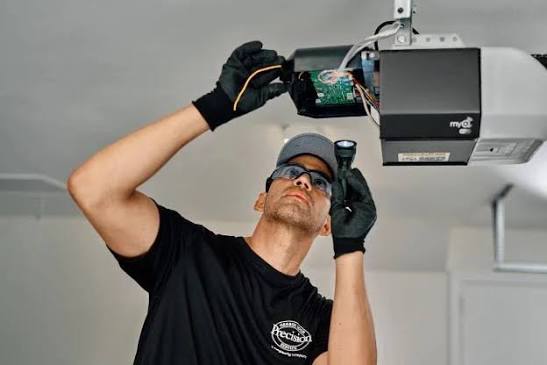
If you’ve ever stood in your driveway, remote in hand, watching your garage door refuse to close while its light blinks insistently, you’re not alone. This frustrating scenario is one of the most common issues homeowners face, and understanding why does my garage door not close and light flashes can save you time, money, and a lot of stress. In this guide, we’ll break down the likely culprits and provide clear, actionable steps to get your garage door back on track.
Understanding the Flashing Light: What Is It Trying to Tell You?
Before diving into repairs, it’s essential to understand that the flashing light on your garage door opener is a diagnostic tool. Most modern openers use LED indicators to communicate specific error codes. A blinking light typically signals that the system has detected a fault preventing safe operation.
According to industry standards, garage door openers are designed with safety mechanisms that halt closure if any irregularity is detected. This is mandated by federal safety regulations established in 1993, which require all residential garage doors to have auto-reverse features source: Wikipedia. The flashing light is essentially your opener’s way of saying, “I can’t proceed safely.”
Common Patterns of Flashing Lights
Different manufacturers use varying flash patterns to indicate specific issues:
- Continuous rapid flashing: Often indicates sensor misalignment or obstruction.
- Intermittent slow flashing: May signal a power issue or motor problem.
- Specific number of flashes: Some brands use coded sequences (e.g., three flashes = sensor issue, five flashes = motor overload).
Check your owner’s manual for the exact meaning of your opener’s flash pattern, as this will guide your troubleshooting process.
Top Reasons Why Your Garage Door Won’t Close With a Flashing Light
1. Misaligned or Obstructed Safety Sensors
The most frequent cause of a garage door refusing to close with a flashing light is misaligned safety sensors. These small devices, located near the floor on both sides of the garage door opening, create an invisible beam. If this beam is interrupted or misaligned, the door will not close for safety reasons.
How to Check:
- Look at the sensor lights. One should have a steady green light (power), and the other should have a steady amber or red light (beam received).
- If either light is off or blinking, the sensors are misaligned or obstructed.
- Clean the sensor lenses with a soft cloth to remove dust, cobwebs, or debris.
- Ensure nothing is blocking the beam between the sensors.
Quick Fix: Gently adjust the sensor brackets until both lights are steady. Even a slight misalignment of a few millimeters can cause the door to malfunction.
2. Damaged or Worn-Out Sensor Wiring
Over time, the wires connecting the safety sensors to the opener can become frayed, chewed by pests, or disconnected. This disrupts the signal and triggers the flashing light error.
Inspection Steps:
- Trace the wires from each sensor back to the motor unit.
- Look for visible damage, such as cuts, exposed copper, or loose connections.
- Ensure all wire connections are secure at both the sensor and opener ends.
If you find damaged wiring, replacing the sensor wire kit is an inexpensive and straightforward repair that typically costs under $20.
3. Obstructions in the Door’s Path
Modern garage doors are equipped with photo-eye sensors and pressure-sensitive mechanisms. If the door detects an object in its path during closure, it will reverse and flash the light as a warning.
What to Check:
- Inspect the area beneath the door for toys, tools, boxes, or even leaves.
- Check the door tracks for debris or buildup that might interfere with smooth operation.
- Ensure the door itself isn’t warped or damaged, causing it to bind during movement.
4. Limit Settings Are Incorrect
Garage door openers have limit settings that determine how far the door travels up and down. If these settings are off, the door may think it has encountered an obstacle when it hasn’t, causing it to reverse and flash the light.
Adjustment Process:
- Locate the limit adjustment screws on your opener motor unit (usually labeled “Up” and “Down”).
- Use a screwdriver to make small adjustments (quarter-turn increments).
- Test the door after each adjustment to ensure it closes fully without reversing.
Note: Refer to your manufacturer’s manual for specific instructions, as adjustment methods vary by brand.
5. Power Supply Issues
Inconsistent power supply or voltage fluctuations can cause erratic behavior in garage door openers, including flashing lights and failure to close.
Troubleshooting Steps:
- Check if the opener is plugged in securely.
- Test the outlet with another device to ensure it’s functioning.
- Consider installing a surge protector to protect your opener from voltage spikes.
- If you have a battery backup system, check the battery charge level.
6. Faulty Logic Board or Motor Unit
If all other checks fail, the issue may lie within the opener’s internal components. A failing logic board or worn-out motor can send incorrect signals, resulting in a flashing light and non-functional door.
Signs of Internal Failure:
- Unusual noises from the motor unit.
- Burning smell or visible damage to circuit boards.
- Intermittent operation even after troubleshooting other issues.
In such cases, professional repair or replacement may be necessary. The average cost for garage door opener repair ranges from $150 to $350, depending on the extent of the damage.
Step-by-Step Troubleshooting Guide
Follow these steps systematically to diagnose and resolve the issue:
- Observe the Flash Pattern: Note how many times the light flashes and whether it’s continuous or intermittent. Consult your manual for the specific error code.
- Inspect the Safety Sensors:
- Clean the lenses.
- Verify alignment (both lights should be steady).
- Check for obstructions in the beam path.
- Examine the Wiring: Look for damaged or disconnected wires leading to the sensors.
- Clear the Door Path: Remove any objects or debris that might block the door.
- Test the Limit Settings: Adjust if the door reverses before fully closing.
- Check Power Supply: Ensure stable power delivery to the opener.
- Reset the Opener: Unplug the unit for 30 seconds, then plug it back in. This can clear temporary glitches.
- Consult a Professional: If the problem persists, contact a certified garage door technician.
Comparison: DIY Fixes vs. Professional Repair
| Factor | DIY Repair | Professional Service |
|---|---|---|
| Cost | $0–$50 (parts only) | $150–$350+ |
| Time | 1–2 hours | Same-day service |
| Expertise Required | Basic technical skills | Certified technician |
| Warranty | None | Typically 90 days to 1 year |
| Risk | Potential for incorrect diagnosis | Guaranteed correct fix |
For simple issues like sensor realignment or cleaning, DIY is cost-effective. However, for electrical or mechanical failures, professional assistance ensures safety and longevity.
FAQ Section
Q1: Why does my garage door light flash but the door still opens?
A: This typically indicates a sensor issue. The door can open because safety sensors primarily monitor the closing cycle. If the beam is blocked or misaligned, the door will refuse to close but may still open normally.
Q2: Can weather affect my garage door sensors?
A: Yes. Extreme temperatures, moisture, and direct sunlight can interfere with sensor performance. Condensation on lenses or thermal expansion of mounting brackets can cause misalignment. Consider installing sensor covers for protection.
Q3: How often should I maintain my garage door opener?
A: Experts recommend biannual maintenance checks. Inspect sensors, lubricate moving parts, test safety features, and tighten hardware every six months to prevent unexpected failures.
Q4: Is it safe to bypass the safety sensors?
A: Absolutely not. Bypassing sensors violates federal safety regulations and poses severe injury risks. The sensors prevent the door from closing on people, pets, or objects. Always address sensor issues properly rather than disabling them.
Q5: What if resetting the opener doesn’t stop the flashing light?
A: If a reset doesn’t resolve the issue, the problem is likely hardware-related (damaged sensors, wiring, or internal components). At this point, professional diagnosis is recommended to avoid further damage.
Q6: Do all garage door brands use the same flash codes?
A: No. Each manufacturer (Chamberlain, LiftMaster, Genie, Craftsman, etc.) uses proprietary flash patterns. Always refer to your specific model’s manual for accurate interpretation.
Conclusion
Understanding why does my garage door not close and light flashes empowers you to tackle this common issue with confidence. In most cases, the culprit is something simple—misaligned sensors, minor obstructions, or loose wiring—that you can fix yourself in under an hour. By following the troubleshooting steps outlined above, you can restore your garage door’s functionality and ensure your home’s safety.
Remember, regular maintenance is key to preventing future problems. Take a few minutes every six months to inspect your system, and don’t hesitate to call a professional if the issue exceeds your comfort level.
Found this guide helpful? Share it with friends and family who might be struggling with their garage doors! Let’s help everyone enjoy hassle-free access to their garages
Leave a Reply