Introduction
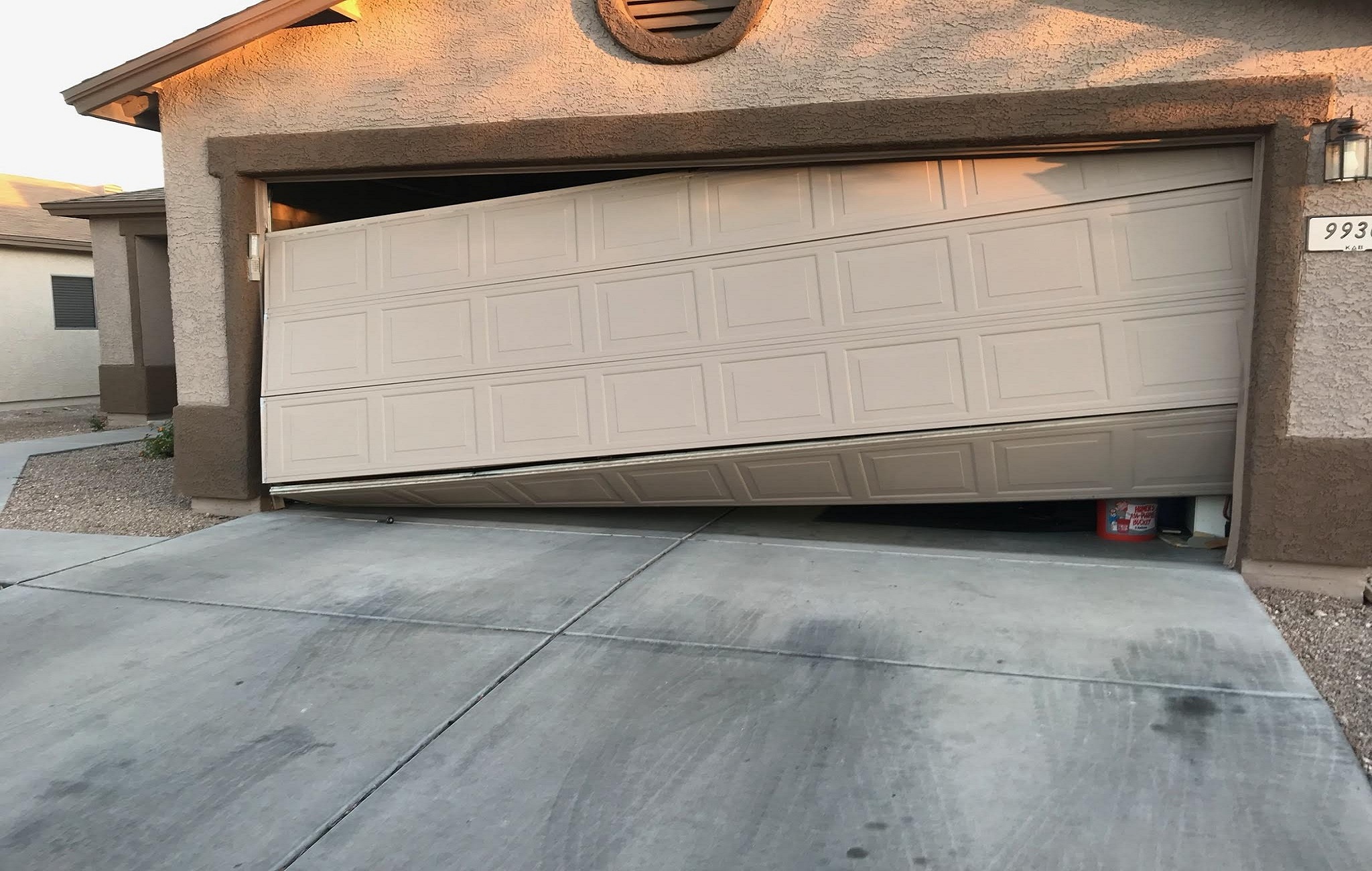
There is nothing quite as frustrating as pressing the button on your remote, watching your garage door descend halfway, and then immediately reversing back up. It leaves your home vulnerable, your car exposed, and your mind racing with questions about safety and cost. If you are asking yourself, “Why does my garage door not close all the way,” you are not alone. This is one of the most common issues homeowners face, but the good news is that it is often a simple fix rather than a costly replacement.
In this guide, we will walk you through the most likely culprits, from misaligned sensors to dirty tracks, and provide step-by-step solutions to get your door moving smoothly again.
1. Are the Safety Sensors Misaligned or Blocked?
The most frequent reason a garage door refuses to close completely is an issue with the safety reversal system. Modern garage doors are equipped with photo-eye sensors located near the bottom of the door tracks, usually about 6 inches off the ground. These sensors emit an invisible beam; if anything breaks this beam, the door assumes there is an obstacle (like a child, pet, or box) and reverses direction to prevent injury.
How to Check and Fix Sensor Issues
- Check the Indicator Lights: Look at the small LED lights on each sensor. Typically, one will be green (power) and the other amber or red (sending/receiving). If the receiving light is blinking or off, the beam is broken.
- Clear the Path: Ensure there are no boxes, bikes, or cobwebs blocking the line of sight between the two sensors. Even a thin layer of dust can sometimes interfere.
- Realign the Brackets: Gently adjust the sensor brackets until both lights are solid. You should hear a click when they are perfectly aligned. Use a level to ensure they are at the exact same height.
- Clean the Lenses: Wipe the sensor lenses with a soft, dry cloth. Dirt and grime can obscure the infrared beam.
According to the Consumer Product Safety Commission, these automatic reverse mechanisms are mandatory for all garage door openers manufactured after 1993 to prevent entrapment accidents. Ensuring they function correctly is not just about convenience; it is a critical safety feature.
2. Is the Travel Limit Setting Incorrect?
If your sensors are working fine (solid lights) but the door still stops short or reverses before hitting the floor, the issue likely lies with the travel limit settings. These settings tell the motor how far to move the door up and down. Over time, vibrations from daily use can cause these settings to drift.
Adjusting the Down Limit
Most modern openers have adjustment screws or dials on the main motor unit, often labeled “Up” and “Down” or marked with arrows.
- Locate the Adjustment Screats: Find the screw labeled “Down” or with a downward arrow.
- Make Small Adjustments: Turn the screw slightly (usually clockwise to increase travel distance, but check your manual). Do not over-adjust.
- Test the Door: Press the close button. Watch the door carefully. It should close fully and seal against the weather stripping without forcing itself into the ground.
- Repeat if Necessary: If it still doesn’t close, turn the screw a tiny bit more. If it hits the ground hard and reverses, you have gone too far—adjust it back slightly.
Pro Tip: Always make adjustments in small increments. A quarter-turn can make a significant difference in the door’s final position.
3. Are the Tracks Dirty or Damaged?
Friction is the enemy of smooth operation. If your garage door tracks are filled with dirt, debris, or hardened grease, the rollers cannot move freely. The opener motor senses this resistance and interprets it as an obstruction, triggering the safety reverse mechanism.
Cleaning and Inspecting the Tracks
- Visual Inspection: Look for dents, bends, or gaps in the metal tracks. Even a minor bend can derail the rollers.
- Clean the Tracks: Use a damp cloth to wipe out the inside of the tracks. Remove any built-up grime, leaves, or spider webs.
- Lubricate Properly: Apply a silicone-based lubricant or lithium grease to the rollers and the inside of the tracks. Avoid WD-40 or standard oil, as these attract dust and can gum up the mechanism over time.
- Check Roller Condition: If the rollers are cracked, chipped, or made of nylon that has worn flat, they may need replacement. Steel rollers are more durable but noisier; nylon rollers are quieter but wear faster.
| Component | Recommended Maintenance | Frequency |
|---|---|---|
| Tracks | Clean with damp cloth | Monthly |
| Rollers | Lubricate with silicone spray | Every 6 Months |
| Springs | Visual inspection for rust/gaps | Annually |
| Sensors | Wipe lenses with dry cloth | Monthly |
4. Is the Weather Stripping Causing Resistance?
Sometimes, the problem is external. The rubber weather stripping at the bottom of the door creates a seal against the concrete floor. If this strip becomes stiff, cracked, or displaced, it can create excessive friction. Additionally, if the concrete floor has heaved due to frost or settling, the door may hit the ground before the motor thinks it has reached the “closed” position.
Solutions for Weather Stripping Issues
- Inspect the Seal: Check if the rubber is torn or missing sections. Replace it if necessary—it is an inexpensive part that makes a big difference.
- Check for Obstructions on the Floor: Look for rocks, ice, or dried mud on the driveway threshold where the door lands. Clear any debris.
- Adjust the Force Settings: If the floor is uneven, you may need to slightly increase the “down force” setting on your opener. However, be cautious: setting this too high can be dangerous. The door should still reverse if it hits a solid object like a 2×4 piece of wood placed on the floor.
5. Are the Springs Broken or Worn Out?
Garage door springs counterbalance the weight of the door, making it easy for the motor to lift and lower it. If a spring is broken or losing tension, the motor has to work much harder. This extra strain can cause the motor to overheat or trigger its internal safety limits, causing the door to stop mid-cycle.
Warning Signs of Spring Failure
- Loud Bang: A broken spring often sounds like a gunshot.
- Gap in the Spring: Look at the torsion spring above the door. If you see a visible gap in the coils, it is broken.
- Heavy Door: Try lifting the door manually (with the opener disconnected). If it feels extremely heavy, the springs are not providing adequate support.
Safety Alert: Never attempt to repair or replace garage door springs yourself. They are under extreme tension and can cause severe injury or death if handled incorrectly. Always call a licensed professional for spring repairs.
FAQ Section
Q: Why does my garage door close halfway and then go back up?
A: This is almost always due to the safety sensors. The beam between the two sensors is blocked, misaligned, or dirty. Check the indicator lights on the sensors; if they are blinking, realign them until both lights are solid.
Q: Can cold weather affect my garage door closing?
A: Yes. In cold climates, metal tracks can contract, and lubricants can thicken, increasing friction. Additionally, ice buildup on the driveway threshold can physically block the door. Ensure your tracks are clean and use a cold-weather lubricant if necessary.
Q: How do I reset my garage door opener?
A: To reset the travel limits, locate the “Learn” or “Smart” button on the motor unit. Press and hold it until the light blinks, then reprogram your remotes. For limit adjustments, refer to your specific model’s manual, as procedures vary by brand (e.g., LiftMaster, Chamberlain, Genie).
Q: Is it safe to force the door closed manually?
A: No. If the door is reversing automatically, there is a reason. Forcing it can damage the motor, break the gears, or bypass critical safety features. Always diagnose and fix the underlying issue first.
Q: When should I call a professional?
A: Call a pro if you suspect broken springs, if the door is off its tracks, if the motor makes grinding noises, or if you have tried adjusting the sensors and limits without success. Electrical issues and spring repairs require specialized tools and expertise.
Conclusion
Dealing with a garage door that won’t close is stressful, but it is rarely a disaster. By systematically checking the sensors, travel limits, tracks, and weather stripping, you can resolve most issues without calling a technician. Remember, regular maintenance—such as cleaning the tracks and lubricating the rollers every six months—can prevent these problems from occurring in the first place.
If you found this guide helpful, please share it with your neighbors or on social media. Helping others keep their homes secure and their garages functioning smoothly is what community is all about! Stay safe, and keep those doors moving.
Leave a Reply