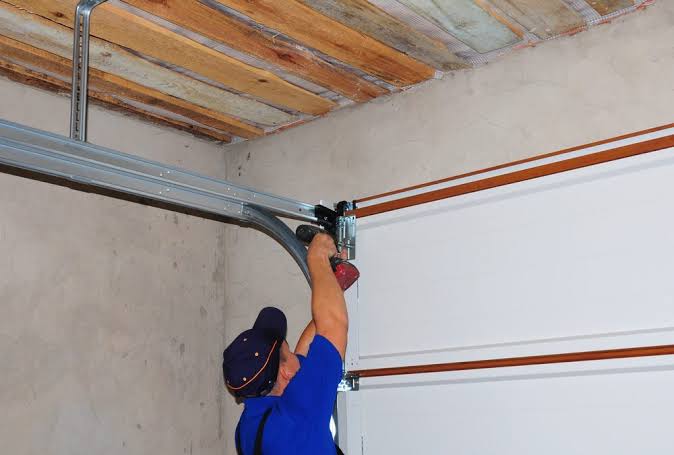
Have you ever stood in your driveway, remote in hand, watching your garage door hesitate, jerk, or simply refuse to budge? It is a frustrating experience that disrupts your day and raises immediate safety concerns. If you are asking yourself, “why does my garage door get stuck when opening,” you are not alone. This common issue can stem from various mechanical, electrical, or environmental factors, but the good news is that most causes are identifiable and fixable with the right knowledge.
In this guide, we will break down the primary reasons behind a sticking garage door, provide actionable troubleshooting steps, and help you decide when it is time to call a professional. Let’s get your garage door moving smoothly again.
1. Are the Tracks Misaligned or Obstructed?
One of the most frequent culprits behind a stuck garage door is the track system. The metal tracks on either side of the door guide the rollers as the door moves up and down. If these tracks are even slightly out of alignment, bent, or blocked by debris, the door will bind and stop.
How to Check for Track Issues
- Visual Inspection: Look closely at the vertical and horizontal tracks. Are there any visible dents, gaps, or bends?
- Cleanliness: Check for built-up dirt, leaves, or small stones that may have fallen into the track channel.
- Alignment Test: Use a level to ensure the vertical tracks are perfectly plumb. Even a quarter-inch deviation can cause significant friction.
If you find minor debris, clean it out with a stiff brush and a vacuum. For slight misalignments, you can gently tap the track back into place with a rubber mallet. However, if the track is severely bent, do not attempt to fix it yourself. Bent tracks compromise the structural integrity of the entire system and require professional replacement to prevent the door from derailing completely.
2. Could Worn-Out Rollers Be the Problem?
Rollers are the small wheels that move along the tracks. Over time, they can wear out, crack, or become coated in grime, making them difficult to roll. Steel rollers are durable but noisy, while nylon rollers are quieter but can crack under heavy use or extreme temperatures.
Signs of Bad Rollers
- Grinding Noises: A harsh grinding sound during operation often indicates metal-on-metal friction due to worn bearings.
- Visible Damage: Look for chipped, cracked, or flattened rollers.
- Sticking Points: If the door sticks at the same spot every time, a specific roller may be jammed.
Replacing rollers is a relatively simple DIY task if you have basic tools. Ensure you buy the correct size and type (stem or hinge-mounted) for your door model. Lubricating existing rollers with a silicone-based spray can sometimes extend their life, but if they are physically damaged, replacement is the only safe option.
3. Is the Garage Door Spring Broken or Loose?
The springs are the muscle of your garage door system, counterbalancing the heavy weight of the door panels. There are two main types: torsion springs (mounted above the door) and extension springs (mounted on the sides). If a spring breaks or loses tension, the opener motor cannot lift the door, causing it to stall or reverse immediately.
⚠️ Safety Warning
Never attempt to repair or replace garage door springs yourself. They are under extreme tension and can cause severe injury or death if handled improperly. This is strictly a job for certified professionals.
How to Identify Spring Issues
- Gap in Torsion Spring: Look at the spring above the door. If you see a visible gap between the coils, it is broken.
- Door Feels Heavy: Try lifting the door manually (with the opener disconnected). If it feels excessively heavy, the springs are likely not providing enough counterbalance.
- Loud Bang: A broken spring often makes a loud gunshot-like noise when it fails.
According to industry standards, garage door springs typically last between 10,000 and 15,000 cycles (one cycle is one open and close). If your door is older than 7–10 years, spring failure is a probable cause. For more detailed information on spring mechanics and safety standards, you can refer to general mechanical principles on Wikipedia.
4. Are the Sensors Misaligned or Dirty?
Modern garage doors are equipped with safety sensors (photo-eyes) near the floor on both sides of the door. These sensors emit an invisible beam; if the beam is interrupted, the door will stop or reverse to prevent crushing objects or people. Sometimes, the door gets “stuck” because the sensors think there is an obstruction.
Troubleshooting Sensor Problems
- Check the Lights: Most sensors have LED lights. A steady green light usually means they are aligned, while a blinking red light indicates a problem.
- Clean the Lenses: Wipe the sensor lenses with a soft, dry cloth to remove dust, spider webs, or dirt.
- Realign the Brackets: Ensure both sensors are facing each other directly. Even a slight bump from a car or lawn mower can knock them out of alignment.
- Remove Obstructions: Make sure no boxes, bikes, or toys are blocking the beam path.
If the sensors are aligned and clean but the door still won’t close, the wiring may be damaged, or the sensor unit itself may need replacement.
5. Is the Opener Motor or Chain Failing?
If the mechanical components (tracks, rollers, springs) are in good shape, the issue might lie with the garage door opener itself. The motor, drive chain, or belt can wear out over time, leading to insufficient power to lift the door.
Common Opener Issues
- Stripped Gears: In older chain-drive models, the plastic gears inside the motor head can strip, causing the motor to run but the door not to move.
- Loose Chain/Belt: A slack chain or belt can slip off the sprocket, preventing movement.
- Motor Overheating: If the motor is hot to the touch, it may have overheated and triggered a thermal safety switch. Wait 15–20 minutes for it to cool down and try again.
| Component | Symptom | Solution |
|---|---|---|
| Drive Chain | Slipping, jerky movement | Tighten tension according to manual |
| Motor Gears | Motor runs, door doesn’t move | Replace gear kit or entire opener |
| Remote Control | No response from door | Replace batteries, reprogram remote |
FAQ Section
Q1: Why does my garage door stick only in winter?
Cold weather can cause metal tracks to contract and lubricants to thicken or freeze. This increases friction, making the door harder to move. Switching to a cold-weather silicone lubricant and ensuring proper insulation in the garage can help mitigate this issue.
Q2: Can I lubricate my garage door to fix sticking?
Yes, regular lubrication is key to prevention. Use a silicone-based or lithium grease spray on the rollers, hinges, and tracks. Avoid using WD-40 as it is a degreaser, not a lubricant, and can attract more dirt over time. Lubricate every 6 months for optimal performance.
Q3: What should I do if my garage door is stuck halfway open?
First, do not force it. Disconnect the opener by pulling the emergency release cord (usually a red rope). Then, carefully lift or lower the door manually. If it is too heavy, the springs are likely broken, and you should call a professional immediately. Do not leave the door partially open as it is unstable.
Q4: How often should I service my garage door?
It is recommended to have a professional inspection once a year. However, you should perform basic visual checks and lubrication every six months. Regular maintenance can extend the life of your door by several years and prevent costly emergency repairs.
Q5: Is it safe to use a garage door with a noisy track?
No. Unusual noises like grinding, squeaking, or popping are early warning signs of mechanical failure. Continuing to use a noisy door can lead to complete breakdowns or dangerous situations, such as the door falling off its tracks. Address noise issues promptly.
Conclusion
Understanding why does my garage door get stuck when opening is the first step toward a safe and functional home. Whether it is a simple case of dirty tracks, misaligned sensors, or a more serious spring failure, identifying the root cause allows you to take the right action. Regular maintenance, such as lubricating moving parts and checking sensor alignment, can prevent most common issues.
However, always prioritize safety. If you suspect spring damage or major structural issues, contact a licensed garage door technician. Don’t let a stuck door disrupt your routine—take action today to ensure smooth operation tomorrow.
Found this guide helpful? Share it with your neighbors on social media to help them troubleshoot their garage door woes too!
Leave a Reply