Introduction
There’s nothing more frustrating than hearing that loud snap or noticing your garage door hanging crookedly because the cable has slipped off again. If you’ve been asking yourself, “Why does my garage door cable keep coming off?”, you’re not alone — this is one of the most common garage door problems homeowners face across the United States. The good news is that understanding the root cause can help you fix it quickly and prevent it from happening again. Let’s walk through everything you need to know in plain, easy-to-follow language.
What Exactly Is a Garage Door Cable and Why Does It Matter?
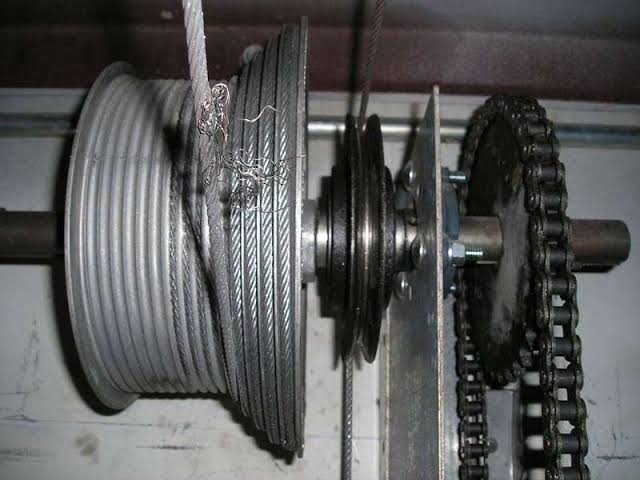
Before we dive into the problem, let’s quickly cover what the cable actually does. Your garage door relies on a system of springs, pulleys, and cables working together to lift and lower hundreds of pounds safely. The cable wraps around a drum at the top of the door and connects to the bottom bracket on each side. When everything is aligned and tensioned correctly, your door glides up and down without issue.
When a cable comes off, it usually means something in that system is out of balance or damaged. Ignoring it isn’t just inconvenient — it can be genuinely dangerous. A misaligned cable can snap under pressure, potentially causing injury or property damage.
Top Reasons Why Your Garage Door Cable Keeps Coming Off
1. Worn or Damaged Cable Drum
The cable drum is the spool that the cable wraps around as the door opens and closes. Over time, grooves in the drum can wear down, especially if the door is used multiple times per day. When these grooves become shallow or uneven, the cable loses its grip and can slip off during operation.
Expert Insight: According to the International Door Association (IDA), garage door components should be inspected at least once a year. Worn drums are among the top three reasons for cable displacement.
2. Loose or Broken Torsion Springs
Torsion springs provide the counterbalance force that makes lifting your heavy garage door possible. If a spring is loose, worn, or broken, the tension on the cable changes dramatically. This imbalance forces the cable to shift position on the drum, eventually causing it to come off entirely.
Signs your torsion spring may be failing:
- The door feels unusually heavy to lift manually
- You hear a loud bang or snapping sound
- One side of the door sits higher than the other
- Visible gaps in the spring coils
3. Misaligned Tracks
Your garage door travels along metal tracks on either side. If those tracks become bent, loose, or misaligned, the entire door shifts during movement. This lateral movement pulls the cable at an angle it wasn’t designed for, causing it to derail from the drum.
Quick Check: Stand inside your garage and look at the tracks from top to bottom. They should be perfectly parallel and securely fastened to the wall with no visible gaps between the track and the brackets.
4. Improper Cable Tension
Cables need to maintain consistent tension to stay seated on the drum. If the tension is too loose, the cable can slacken and jump off. If it’s too tight, it puts excessive stress on the drum and spring system, leading to premature wear.
| Symptom | Likely Cause |
|---|---|
| Cable slips off during opening | Too little tension or worn drum |
| Cable frays near the drum | Too much tension or sharp drum edge |
| Door moves unevenly | Unequal tension between left and right cables |
| Loud grinding noise | Misaligned track or damaged roller |
5. Worn or Seized Rollers
Rollers guide the door along the tracks. When rollers become worn, cracked, or seized, they create friction and resistance. This extra drag can cause the door to jerk during movement, which in turn yanks the cable out of position.
6. Age and General Wear
The average garage door is used roughly 1,500 times per year (about 4 times daily). Over a decade or more, every component experiences fatigue. Cables fray, springs lose elasticity, and hardware loosens. Sometimes, a cable keeps coming off simply because the system has reached the end of its functional lifespan.
For more background on how garage door mechanisms work, you can visit Wikipedia’s article on garage doors for a solid technical overview.
How to Fix a Garage Door Cable That Keeps Coming Off
⚠️ Safety Warning: Garage door springs store an enormous amount of energy. Attempting to adjust or replace torsion springs without proper tools and training can result in serious injury. If you’re unsure, call a licensed professional.
Step 1: Disconnect the Opener and Secure the Door
- Pull the emergency release cord to disconnect the automatic opener.
- Manually lower the door completely.
- Clamp locking pliers onto the track just below the bottom roller on each side to prevent the door from moving unexpectedly.
Step 2: Inspect the Cable and Drum
- Look closely at the cable for signs of fraying, kinks, or rust.
- Examine the drum for worn grooves or debris buildup.
- If the cable shows any damage, it needs to be replaced — do not attempt to reuse a compromised cable.
Step 3: Check Spring Tension
- Observe whether both springs (if you have a dual-spring system) appear evenly wound.
- A gap between coils on one spring but not the other indicates uneven tension.
- Do not attempt to wind or unwind torsion springs yourself unless you have winding bars and experience.
Step 4: Realign the Tracks
- Use a level to check that both vertical tracks are plumb (perfectly vertical).
- Tighten all track brackets using a socket wrench.
- If a section of track is bent, it may need to be gently tapped back into shape with a rubber mallet or replaced entirely.
Step 5: Reseat the Cable on the Drum
- Carefully guide the cable back into the groove of the drum.
- Ensure the cable winds in the correct direction (typically clockwise when viewed from the end of the shaft).
- The cable should wrap neatly without overlapping itself.
Step 6: Test the Door Manually
- Remove the locking pliers.
- Slowly lift the door by hand. It should move smoothly and feel balanced — staying in place when released at the halfway point.
- If the door slams shut or shoots upward, the spring tension is incorrect and needs professional adjustment.
Prevention Tips: Stop Your Cable From Coming Off Again
Fixing the problem is only half the battle. Here’s how to make sure it doesn’t happen again:
- Schedule annual inspections. A certified technician can spot worn components before they fail.
- Lubricate moving parts every 6 months. Use a silicone-based lubricant on rollers, hinges, and springs (avoid WD-40, which attracts dust).
- Replace cables in pairs. Even if only one cable is damaged, replacing both ensures equal tension and longevity.
- Listen for unusual sounds. Grinding, squeaking, or popping noises are early warning signs.
- Don’t ignore small issues. A slightly crooked door today becomes a derailed cable tomorrow.
FAQ Section
Q1: Is it safe to operate my garage door if the cable has come off?
No. Operating a garage door with a displaced cable is dangerous. The door may fall suddenly, or the remaining cable could snap under the uneven load. Keep the door closed and disconnected from the opener until repairs are made.
Q2: How much does it cost to fix a garage door cable?
On average, professional garage door cable repair costs between $150 and $350 in the United States, depending on your location and whether additional parts (like springs or drums) need replacement. DIY cable replacement kits typically range from $30 to $80, but labor and safety risks should be carefully considered.
Q3: How often should garage door cables be replaced?
Most garage door cables last 5 to 7 years under normal use. However, factors like climate (humidity accelerates rust), frequency of use, and maintenance habits can shorten or extend this lifespan. Annual inspections help determine when replacement is needed.
Q4: Can I replace a garage door cable myself?
Technically, yes — but it’s not recommended for most homeowners. The process involves working near high-tension springs, and a mistake can cause serious injury. If you choose to DIY, ensure you have the correct tools (winding bars, vice grips, safety glasses) and follow manufacturer instructions precisely.
Q5: Why does only one side of my garage door cable keep coming off?
This almost always points to uneven spring tension or a misaligned track on that side. When one side bears more load than the other, the cable on the overloaded side is more likely to slip. Have a technician measure and equalize the tension on both springs.
Q6: What type of cable should I use for my garage door?
Garage doors typically use 7×7 or 7×19 galvanized steel aircraft cable, rated for the specific weight of your door. Using the wrong gauge or material can lead to premature failure. Always match the replacement cable to your door manufacturer’s specifications.
Conclusion
Understanding why your garage door cable keeps coming off is the first step toward a lasting solution. Whether the culprit is a worn drum, unbalanced springs, misaligned tracks, or simple age-related wear, addressing the root cause — rather than just reseating the cable — will save you time, money, and frustration in the long run.
Remember: regular maintenance is your best defense. A quick inspection twice a year and prompt attention to small problems can keep your garage door running safely and smoothly for years to come.
Leave a Reply