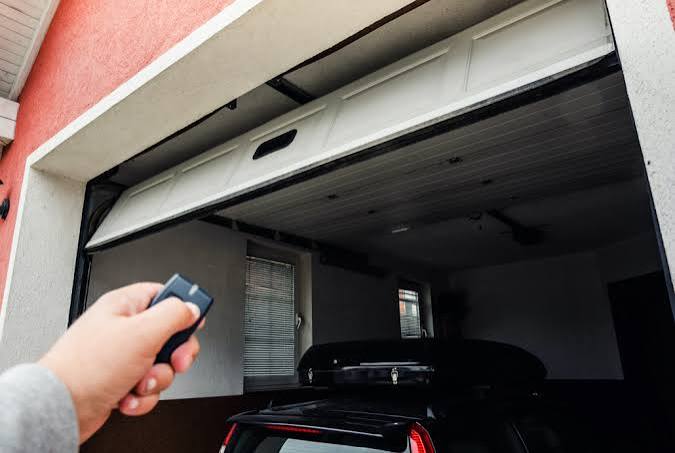
There is nothing quite as frustrating as standing in your driveway, pressing the remote, and watching your garage door stop just inches from the floor. You press the button again, hoping it’s a glitch, but it reverses back up every single time. If you are asking yourself, “why does garage door not close all the way,” you are not alone. This is one of the most common household maintenance issues, and while it can be alarming, it is often caused by simple, fixable problems rather than a broken motor.
In this guide, we will walk you through the most likely culprits behind this issue, provide step-by-step troubleshooting tips, and help you determine when it is time to call a professional. Let’s get your garage door closing smoothly again.
1. Are the Safety Sensors Misaligned or Dirty?
The number one reason a garage door refuses to close completely is the safety sensor system. Modern garage doors are equipped with photo-eye sensors located near the bottom of the door tracks on both sides. These sensors create an invisible beam; if the beam is interrupted, the door assumes there is an obstacle (like a pet, child, or box) and automatically reverses to prevent injury.
How to Check and Fix Sensor Issues
- Check the LED Lights: Look at the small lights on each sensor. Typically, one should be solid green (power) and the other solid amber or red (beam received). If the receiving light is blinking or off, the beam is blocked.
- Clean the Lenses: Dust, spiderwebs, or dirt can block the infrared signal. Gently wipe the lenses with a soft, dry cloth.
- Realign the Brackets: Even a slight bump from a lawn mower or a loose bracket can misalign the sensors. Loosen the wing nuts, adjust the sensors until they face each other directly, and tighten them back. You know they are aligned when both LED lights stay solid.
According to the Consumer Product Safety Commission, garage door entrapment incidents have decreased significantly since the mandatory installation of these sensors in 1993, highlighting their critical role in home safety.
2. Is Something Blocking the Track?
Before diving into complex mechanical repairs, always perform a visual inspection. It sounds obvious, but debris is a frequent offender. A small stone, a twisted bicycle wheel, or even accumulated leaves can prevent the door from sealing fully.
Quick Inspection Checklist
- Walk the Perimeter: Look along the bottom edge of the door and the floor where it meets the concrete.
- Inspect the Tracks: Shine a flashlight into the metal tracks on either side. Look for dents, screws, or built-up grime.
- Check the Weather Stripping: Sometimes, the rubber weather seal at the bottom can become dislodged and catch on the track.
If you find debris, clear it out and try closing the door again. If the track itself is dented, this may require professional straightening or replacement, as a damaged track can cause the rollers to jump or bind.
3. Have the Travel Limits Been Adjusted Incorrectly?
Your garage door opener has settings known as “travel limits” or “limit switches.” These tell the motor exactly how far down the door should go before stopping. If these settings are off—even by a fraction of an inch—the door will stop prematurely or reverse before hitting the ground.
How to Adjust Travel Limits
Note: Consult your specific opener’s manual, as steps vary by brand (LiftMaster, Chamberlain, Genie, etc.).
- Locate the Adjustment Screels: On most modern openers, there are two screws or buttons on the motor unit labeled “Up” and “Down” or with arrows.
- Adjust the Down Limit: Turn the “Down” adjustment screw slightly (usually clockwise increases travel, counter-clockwise decreases it). Make small adjustments—quarter turns at a time.
- Test the Door: Press the wall button to close the door. Watch closely. If it still doesn’t touch the floor, adjust slightly more.
- Ensure Proper Seal: The door should rest firmly on the ground without excessive force. If it pushes too hard, it might strain the motor or damage the bottom panel.
4. Are the Tracks Out of Alignment?
Over time, the metal tracks that guide your garage door can become loose or bent. If the tracks are not parallel or are sagging, the rollers will bind, causing the door to stick or reverse due to increased resistance.
Signs of Misaligned Tracks
- Visible gaps between the roller and the track.
- Loud grinding or scraping noises during operation.
- The door appears crooked when partially closed.
DIY Alignment Steps
- Loosen the Bolts: Use a socket wrench to loosen the bolts holding the track to the wall brackets. Do not remove them completely.
- Tap into Place: Gently tap the track with a rubber mallet to align it properly. Use a level to ensure it is straight.
- Tighten Securely: Once aligned, tighten the bolts firmly. Check the vertical tracks first, then the horizontal ones.
If the tracks are severely bent, do not attempt to hammer them back into shape yourself. This compromises the structural integrity and requires professional replacement.
5. Is the Force Setting Too Low?
Garage door openers have a “force setting” that determines how much power the motor uses to move the door. If this setting is too low, the motor may interpret normal friction as an obstruction and reverse the door. Conversely, if it is too high, it can be dangerous.
Adjusting the Force
- Find the force adjustment knobs on the motor unit (often labeled “Force” or with +/- symbols).
- Increase the down-force slightly.
- Test the door. It should close smoothly without reversing.
- Safety Test: Place a 2×4 piece of wood flat on the ground under the center of the door. Close the door. It should reverse immediately upon contacting the wood. If it does not, the force is too high and poses a safety risk. Adjust downward until it reverses correctly.
6. Are the Springs Broken or Worn Out?
Garage doors are heavy, and torsion or extension springs do the heavy lifting. If a spring is broken or losing tension, the opener has to work much harder. This extra strain can cause the door to stall or reverse before closing completely.
Visual Inspection
- Torsion Springs: Located above the door. Look for a visible gap in the coil. A broken spring will often make a loud bang when it fails.
- Extension Springs: Located on both sides of the upper track. Check for breaks or severe stretching.
Warning: Never attempt to repair or replace garage door springs yourself. They are under extreme tension and can cause serious injury or death if handled improperly. Always call a licensed technician for spring issues.
7. Is the Remote or Wall Button Malfunctioning?
Sometimes the issue isn’t the door at all, but the signal. Weak batteries in your remote or a faulty wall switch can send incomplete signals, causing erratic behavior.
Quick Fixes
- Replace the batteries in your remote control.
- Check the wall button for loose wires or physical damage.
- Try using the manual release cord to operate the door by hand. If it moves smoothly manually, the issue is likely electronic or sensor-related, not mechanical.
Comparison: DIY Fixes vs. Professional Help
| Issue | DIY Friendly? | Risk Level | Estimated Cost |
|---|---|---|---|
| Dirty Sensors | Yes | Low | $0 |
| Debris in Track | Yes | Low | $0 |
| Travel Limit Adjustment | Yes | Medium | $0 |
| Track Alignment | Moderate | Medium | $0–$50 (tools) |
| Force Setting Adjustment | Yes | Medium | $0 |
| Broken Springs | No | High | $150–$350 |
| Damaged Opener Motor | No | Medium | $200–$500 |
FAQ Section
Q: Why does my garage door close halfway and then go back up?
A: This is almost always a safety sensor issue. Check if the LED lights on the sensors are solid. If one is blinking, clean the lenses and realign them so they face each other directly.
Q: Can weather affect my garage door’s ability to close?
A: Yes. Extreme cold can cause metal tracks to contract and lubricants to thicken, increasing friction. Heat can expand materials. Regular maintenance and using silicone-based lubricant can help mitigate these effects.
Q: How often should I maintain my garage door?
A: Experts recommend a basic inspection and lubrication every six months. This includes checking sensors, tightening hardware, and lubricating rollers and hinges.
Q: Is it safe to use my garage door if it won’t close all the way?
A: No. An incompletely closed garage door is a security risk and can allow pests, rain, and exhaust fumes into your home. It also indicates a potential safety mechanism failure. Avoid using it until fixed.
Q: What type of lubricant should I use on my garage door?
A: Use a silicone-based spray or lithium grease. Avoid WD-40 as it is a degreaser, not a long-term lubricant, and can attract more dust over time.
Conclusion
Understanding why does garage door not close all the way is the first step toward a quick and effective repair. In most cases, the culprit is a simple issue like misaligned sensors, dirty lenses, or minor track obstructions. By following the troubleshooting steps outlined above, you can save time and money by avoiding unnecessary service calls.
However, always prioritize safety. If you suspect spring damage or major mechanical failure, do not hesitate to contact a professional garage door technician. A well-maintained garage door not only protects your vehicle but also ensures the safety of your family.
Did this guide help you fix your garage door? Share this article with friends and neighbors who might be struggling with the same issue! Don’t forget to bookmark this page for future reference.
Leave a Reply