Are you planning a home renovation or replacing an old entryway, but feeling completely overwhelmed by the measurements? You are not alone; many homeowners struggle to figure out the exact dimensions they need to safely fit their vehicles. If you are wondering, “what’s the size of a standard garage door,“ this comprehensive guide will break down everything you need to know in simple, actionable steps.
What’s The Size Of A Standard Garage Door?
When it comes to residential properties in the United States, garage doors are not a universal one-size-fits-all solution. However, the manufacturing industry has established specific baseline dimensions to ensure compatibility with most vehicles and home architectures.
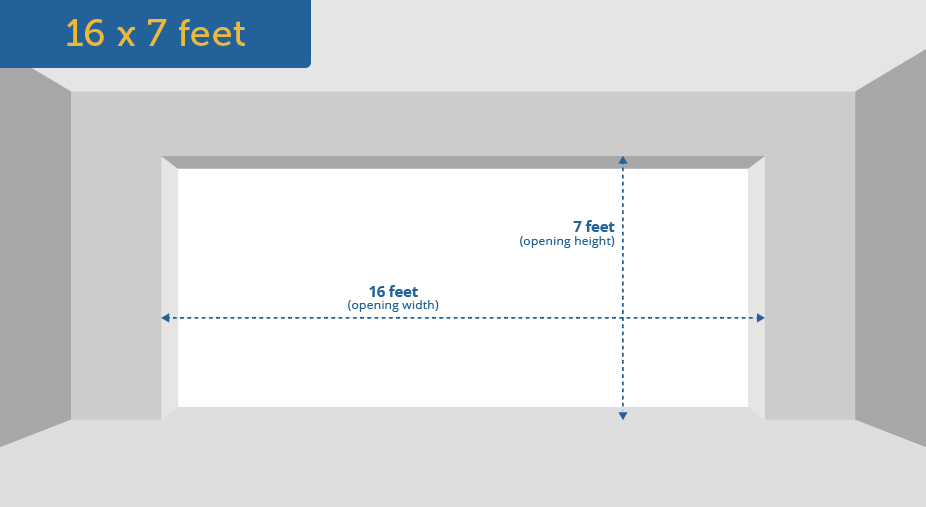
Generally, a standard single-car garage door measures between 8 to 9 feet wide and 7 to 8 feet high. For homes with more space, a standard double-car garage door typically measures 16 feet wide by 7 feet high, though 18-foot and 20-foot widths are also highly common for larger households
www.precision-door.com.
Understanding these baseline measurements is crucial. A door that is too small can cause costly vehicle damage, while a door that is too large can compromise your home’s structural integrity and insulation efficiency. Fundamentally, a garage door is a large movable barrier designed to provide secure access to a residential or commercial garage, and its dimensions must align perfectly with the rough opening of your home.
Single vs. Double Garage Door Dimensions: A Quick Comparison
To help you visualize the differences and make an informed decision, here is a detailed breakdown of the most common residential garage door sizes available in the US market.
| Garage Type | Standard Width | Standard Height | Best For |
|---|---|---|---|
| Single Car (Compact) | 8 feet | 7 feet | Small sedans, compact cars, or storage-only spaces. |
| Single Car (Standard) | 9 feet | 7 feet | Mid-size sedans, SUVs, and providing easier entry/exit clearance. |
| Single Car (Large) | 10 feet | 8 feet | Full-size trucks, vans, or homeowners wanting extra shoulder room. |
| Double Car (Standard) | 16 feet | 7 feet | Two compact or mid-size vehicles parked comfortably side-by-side. |
| Double Car (Wide) | 18 feet | 7 feet | Two full-size vehicles, offering ample door-opening space. |
| Double Car (Extra Wide) | 20 feet | 8 feet | Large trucks, RVs, or homeowners seeking a grand, custom aesthetic. |
Expert Insight: According to industry professionals, opting for a 9-foot width for a single-car garage is increasingly becoming the new standard. This extra foot provides crucial clearance, preventing side-mirror scrapes and making it much easier to enter and exit the vehicle without feeling cramped
nextlevelgaragedoor.us.
How to Measure Your Garage Door Opening (Step-by-Step)
If you are replacing an existing door or framing a new one, accurate measurement is non-negotiable. Guessing can lead to costly customization fees or installation failures. Follow this precise, step-by-step guide to measure your garage door opening like a professional.
Step 1: Measure the Width
Using a steel tape measure, measure the distance between the inside of the left jamb and the inside of the right jamb. Take this measurement at three different points: the top, middle, and bottom of the opening. Always use the smallest of these three measurements as your official width to account for any uneven framing or settling.
Step 2: Measure the Height
Measure from the finished floor level (not the bottom of the existing door, as floors can be uneven or sloped) straight up to the inside of the top jamb. Again, measure at the left, center, and right sides. Record the smallest number as your official height.
Step 3: Check the Sideroom and Headroom
- Sideroom: Measure the space from the edge of the door opening to the nearest wall or obstruction on both sides. You typically need at least 3.5 to 4 inches of sideroom on each side for standard track mounting.
- Headroom: Measure from the top of the door opening to the lowest ceiling obstruction (like a joist, beam, or duct). Standard torsion spring systems require at least 12 to 15 inches of headroom. Low-headroom tracks might work with as little as 6 inches, though this significantly limits your door and opener options.
Step 4: Measure the Backroom (Depth)
Measure from the inside of the garage door opening to the back wall of the garage. You need enough space for the door to fully open and rest horizontally. A good rule of thumb is that the backroom should be equal to the height of the door plus an additional 18 inches to accommodate the garage door opener motor and rail assembly.
Key Factors That Influence Garage Door Size
While standard dimensions cover most homes, several unique factors might require you to deviate from the norm.
- Vehicle Type and Future-Proofing: If you drive a lifted truck, an RV, or plan to buy a larger vehicle in the future, standard 7-foot heights will not suffice. You will need an 8-foot or even 10-foot high door to prevent roof rack collisions.
- Architectural Style: A modern farmhouse or a mid-century modern home might benefit from oversized, custom-width doors (e.g., 18 or 20 feet wide) to enhance curb appeal and overall property value.
- Insulation and Climate: If you live in an area with extreme temperatures, a properly sized, insulated door is vital. An ill-fitting door creates gaps that lead to energy loss, defeating the purpose of an insulated garage and raising your utility bills.
- Local Building Codes: Always check with your local municipality. Some homeowner associations (HOAs) or city zoning laws have strict regulations regarding garage door dimensions, materials, and aesthetics.
Pros and Cons: Standard vs. Custom Garage Doors
Choosing between a standard and a custom-sized door involves practical trade-offs. Here is a quick text infographic to help you decide which route is best for your project.
Standard Garage Doors
- ✅ Pros: Highly cost-effective, readily available in stock, faster installation (often within 1–3 days), and easier to find affordable replacement parts.
- ❌ Cons: Limited design flexibility, may not fit unique or older home architectures perfectly without awkward framing adjustments.
Custom Garage Doors
- ✅ Pros: Perfect fit for unusual openings, unlimited design and material choices, and can significantly boost unique curb appeal and home value.
- ❌ Cons: Significantly more expensive (often 30% to 50% higher), longer lead times (4 to 8 weeks), and potential complications with future repairs or part replacements.
Frequently Asked Questions (FAQ)
Q1: What is the most common size for a 2-car garage door?
A: The most common and widely accepted standard size for a double-car garage door is 16 feet wide by 7 feet high
www.precision-door.com. However, many newer homes are upgrading to 18-foot widths to comfortably accommodate two full-size SUVs or trucks with enough room to open their doors.
Q2: Can I make my existing garage door opening wider?
A: Yes, but it is a major structural modification. Widening an opening requires removing existing framing, potentially altering the home’s load-bearing structure, and redoing the exterior siding and interior drywall. It is highly recommended to hire a licensed contractor for this task.
Q3: Are garage door sizes measured in metric or imperial units in the US?
A: In the United States, garage door dimensions are almost exclusively measured and manufactured in imperial units (feet and inches). If you are purchasing imported doors, ensure you convert metric measurements (like 2.1 meters) accurately to avoid costly sizing errors.
Q4: How much clearance do I need on the sides of a standard garage door?
A: For a standard installation, you should have a minimum of 3.5 to 4 inches of clearance (sideroom) on both the left and right sides of the door opening. This space is necessary to mount the vertical tracks and hardware securely.
Q5: What is the standard thickness of a residential garage door?
A: Most standard residential garage doors are 1 ⅜ inches to 2 inches thick. Insulated models tend to be on the thicker end (around 2 inches) to accommodate the polyurethane or polystyrene foam core, which improves energy efficiency and noise reduction.
Conclusion
Knowing what’s the size of a standard garage door is the foundational step in ensuring your home remains functional, secure, and visually appealing. Whether you are housing a compact sedan behind an 8×7 foot single door or parking two large trucks behind an 18×8 foot double door, accurate measurements and a clear understanding of your spatial needs will save you time, money, and frustration.
Remember to always measure your rough opening carefully, account for headroom and sideroom, and consider your long-term vehicle needs before making a final purchase.
Did you find this guide helpful? Share this article on Facebook, Twitter, or Pinterest to help your friends and family avoid costly garage door sizing mistakes! If you have any specific questions about your garage setup, leave a comment below, and our expert team will be happy to assist you.
Leave a Reply