Have you ever pressed your garage door remote, only to hear silence or a faint hum? It is a frustrating experience that disrupts your daily routine and leaves you wondering what would cause a garage door not to open. Whether you are rushing to work or trying to secure your home at night, a malfunctioning garage door can feel like a major emergency.
The good news is that most garage door issues are not catastrophic failures. In many cases, the problem stems from simple mechanical obstructions, sensor misalignments, or minor electrical glitches that you can identify and often fix yourself. Understanding the root cause is the first step toward a quick resolution and avoiding costly professional repairs.
1. Are the Safety Sensors Misaligned or Blocked?
One of the most frequent reasons a garage door refuses to close or open is a problem with the safety sensors. Modern garage doors are equipped with photo-eye sensors located near the bottom of the door tracks. These devices emit an invisible beam across the doorway; if the beam is interrupted, the door stops or reverses to prevent injury.
If your door starts to close but immediately reverses, or if it refuses to move at all, check the sensors first. Look for small LED lights on each sensor unit. Typically, one will have a green light (power) and the other an amber or red light (alignment). If the amber light is blinking or off, the sensors are misaligned.
Quick Fix Steps:
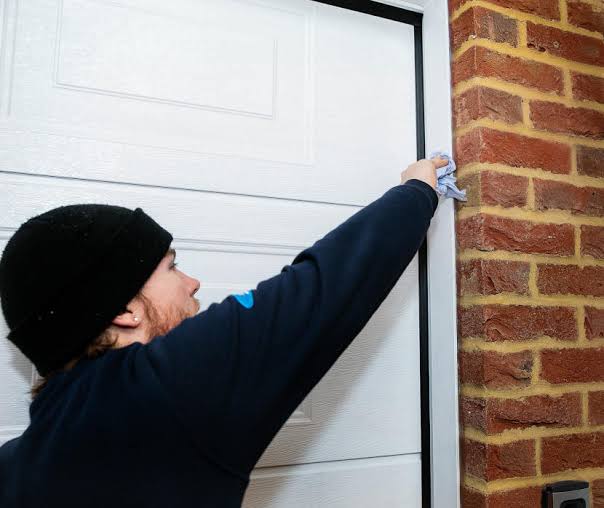
- Clean the Lenses: Wipe away any dust, spider webs, or dirt with a soft cloth.
- Check Alignment: Ensure both sensors are facing each other directly. They should be at the same height and angle.
- Remove Obstructions: Clear any boxes, bikes, or debris blocking the path between the sensors.
According to the Consumer Product Safety Commission, these safety features are mandatory for all garage door openers manufactured after 1993, highlighting their critical role in preventing accidents. For more technical details on how these optical systems work, you can refer to general principles of photoelectric sensors on Wikipedia.
2. Is the Opener Disengaged from the Door?
Sometimes, the issue is not mechanical but operational. Every garage door opener has a manual release mechanism, usually a red cord with a handle hanging from the trolley that moves along the rail. This feature allows you to operate the door manually during a power outage.
However, if this release was pulled accidentally—perhaps by a child playing or while moving items in the garage—the opener becomes disengaged from the door. When you press the remote, the motor runs, but the door does not move because the connection is broken.
How to Re-engage:
- Locate the red release cord.
- Pull it gently toward the door to ensure it is fully in the “released” position.
- Lift the door manually until it is fully open.
- Pull the release cord toward the motor unit until you hear a click. This re-engages the trolley with the opener carriage.
3. Are the Tracks Bent or Obstructed?
Garage doors rely on smooth metal tracks to guide their movement. If these tracks become bent, dented, or clogged with debris, the rollers cannot move freely, causing the door to jam. This is particularly common in older homes or garages that experience extreme temperature fluctuations.
Inspect the vertical and horizontal tracks for any visible damage. Look for dents, gaps, or loose bolts. Even a small bend can create enough friction to stop the door entirely. Additionally, check for hardened grease, dirt, or small objects like stones that may have fallen into the track.
Maintenance Tip: Use a level to ensure the tracks are properly aligned. If they are slightly out of place, you can gently tap them back into position with a rubber mallet. However, if the tracks are severely bent, it is safer to call a professional, as forcing them can damage the rollers and hinges.
4. Is the Spring Broken or Damaged?
The springs are the heavy lifters of your garage door system. They counterbalance the weight of the door, making it easy for the opener to lift it. There are two main types: torsion springs (located above the door) and extension springs (located on the sides).
A broken spring is a serious issue. You might hear a loud bang resembling a gunshot when it snaps. If a spring breaks, the door becomes extremely heavy, and the opener will struggle or fail to lift it. Warning: Never attempt to repair or replace garage door springs yourself. They are under immense tension and can cause severe injury if handled incorrectly.
Signs of a Broken Spring:
- The door feels unusually heavy when lifted manually.
- A visible gap in the spring coil.
- The opener motor strains loudly but the door barely moves.
5. Are the Rollers Worn Out or Stuck?
Rollers allow the door to glide smoothly along the tracks. Over time, these plastic or nylon wheels can wear down, crack, or become stuck due to lack of lubrication. If the rollers are damaged, they can catch on the track, preventing the door from opening or closing completely.
Inspect each roller for cracks, chips, or flat spots. If they are made of metal, they may be noisy and benefit from replacement with quieter nylon rollers. Lubricating the rollers and hinges with a silicone-based spray or white lithium grease can significantly improve performance and extend their lifespan. Avoid using WD-40, as it attracts dust and can gum up the mechanism over time.
6. Is the Remote Control or Keypad Malfunctioning?
Before assuming a major mechanical failure, rule out simple electronic issues. The problem might lie with your remote control or wall keypad rather than the door itself. Dead batteries are the most common culprit.
Troubleshooting Steps:
- Replace Batteries: Swap out the batteries in your remote and keypad.
- Check Range: Stand closer to the door to see if distance is affecting the signal.
- Reprogram the Remote: Sometimes, the code can become corrupted. Refer to your opener’s manual to re-sync the remote.
- Test the Wall Switch: Try operating the door using the wired wall switch inside the garage. If it works, the issue is definitely with the wireless remote.
7. Is the Opener Motor Failing?
If all else fails, the garage door opener motor itself may be reaching the end of its life. Most openers last between 10 to 15 years. If your unit is older, the motor gears may be stripped, or the internal circuit board may have failed.
Listen to the motor when you press the button. If it hums but does not move, the gears might be stripped. If there is no sound at all, check the power source. Ensure the unit is plugged in and that the circuit breaker has not tripped. Some openers also have a reset button or a thermal overload protector that trips if the motor overheats from excessive use.
| Symptom | Possible Cause | Recommended Action |
|---|---|---|
| Door reverses immediately | Sensor misalignment | Clean and realign sensors |
| Motor runs, door doesn’t move | Disengaged release | Re-engage the red cord |
| Loud bang, door heavy | Broken spring | Call a professional technician |
| Remote doesn’t work | Dead batteries | Replace remote batteries |
| Grinding noise | Worn gears or rollers | Lubricate or replace parts |
Frequently Asked Questions
Why does my garage door open halfway and then stop?
This is often caused by an obstruction in the tracks, misaligned sensors, or incorrect limit settings on the opener. Check for debris in the tracks and ensure the sensors are aligned. If the issue persists, you may need to adjust the travel limits on the opener unit according to the manufacturer’s instructions.
Can I open my garage door manually if the power is out?
Yes, most garage doors have a manual release mechanism. Pull the red emergency release cord to disengage the opener, then lift the door by hand. Be cautious, as the door will be heavy without the assistance of the motor. Always lock the door manually if you leave it open during a power outage.
How often should I maintain my garage door?
It is recommended to perform a basic inspection and lubrication every six months. Check the springs, cables, rollers, and tracks for wear and tear. Apply a silicone-based lubricant to moving parts to ensure smooth operation and prevent premature wear.
Is it safe to repair a garage door spring myself?
No, repairing or replacing garage door springs is extremely dangerous due to the high tension they hold. A snapped spring can cause serious injury or property damage. Always hire a certified garage door technician for spring-related repairs.
Why is my garage door making a grinding noise?
Grinding noises usually indicate worn-out gears in the opener motor or dry, damaged rollers. If the noise comes from the motor, the plastic gears may need replacement. If it comes from the door itself, lubricate the rollers and hinges. If the noise persists, consult a professional.
Conclusion
Dealing with a garage door that won’t open can be stressful, but understanding what would cause a garage door not to open empowers you to tackle the problem confidently. From simple fixes like realigning sensors and replacing remote batteries to identifying more serious issues like broken springs, most problems have clear solutions.
Regular maintenance is key to preventing these issues. By keeping your tracks clean, rollers lubricated, and sensors aligned, you can extend the life of your garage door system and ensure it operates smoothly for years to come. If you encounter complex mechanical failures, especially involving springs or cables, do not hesitate to call a professional.
Did this guide help you troubleshoot your garage door? Share this article with friends and family on social media to help them solve their garage door woes too!
Leave a Reply