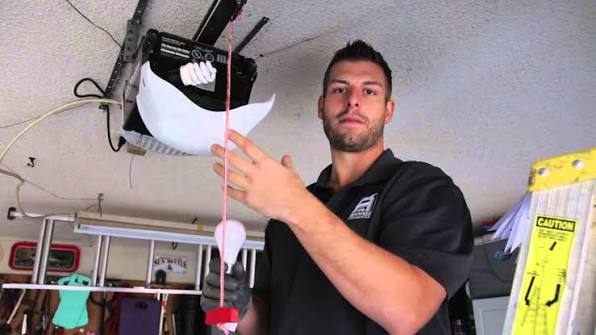
Introduction
Is your garage door opener light flickering, burning out too quickly, or simply not bright enough for your evening projects? You are not alone; millions of homeowners struggle with finding the right replacement that balances brightness, heat management, and compatibility. Choosing what type of light bulb for garage door opener units requires more than just grabbing the cheapest option off the shelf, as using the wrong bulb can damage your motor’s logic board or shorten the lifespan of the fixture.
In this guide, we will break down everything you need to know about selecting the perfect bulb. From understanding wattage limits to exploring the benefits of modern LED technology, we will help you make an informed decision that saves you money and keeps your garage well-lit.
Understanding the Standard Requirements
Before rushing to the hardware store, it is crucial to understand the baseline specifications that most manufacturers recommend. While every model varies slightly, there is a general industry standard that applies to major brands like LiftMaster, Chamberlain, Genie, and Craftsman.
The Classic A19 Incandescent Bulb
For decades, the standard recommendation has been a 40-watt A19 incandescent bulb. This specific shape (A19) and wattage were chosen because they fit physically into the socket and produce a manageable amount of heat.
- Base Type: Medium Base (E26)
- Shape: A19 (Standard household shape)
- Wattage: Maximum 40 Watts
- Voltage: 120 Volts
However, times have changed. Incandescent bulbs are becoming obsolete due to energy inefficiency and heat issues. This leads us to the modern solution: LEDs.
Why LED Bulbs Are the Superior Choice
If you are wondering what type of light bulb for garage door opener is best for modern homes, the answer is almost always an LED. But not just any LED will do. You must choose one specifically designed for enclosed fixtures or garage door openers.
Heat Management is Critical
Garage door openers have sensitive electronic logic boards located very close to the light socket. Traditional incandescent bulbs convert about 90% of their energy into heat. This excessive heat can:
- Warp the plastic lens cover.
- Degrade the soldering on the logic board over time.
- Trigger false “obstruction” signals in some smart openers.
LEDs run significantly cooler. A 6-watt LED produces the same light output as a 40-watt incandescent but generates a fraction of the heat. This protects your expensive opener unit from thermal stress.
Longevity and Cost Savings
An average incandescent bulb lasts about 1,000 hours. In contrast, a quality LED bulb can last between 15,000 to 25,000 hours. Given that garage lights are often left on for extended periods during projects or accidentally forgotten, the durability of LEDs translates to fewer ladder climbs and lower electricity bills.
Key Factors to Consider When Buying
When shopping for a replacement, keep these three technical factors in mind to ensure compatibility and performance.
1. Wattage Equivalency vs. Actual Draw
Always look at the actual wattage draw, not just the “equivalent” label.
- Rule of Thumb: Ensure the actual wattage is under 40 watts.
- Most LED replacements draw between 5 to 9 watts, which is perfectly safe.
- Avoid high-power LEDs rated at 100W equivalent if they draw more than 40W actual power, as this may trip the opener’s internal fuse.
2. Lumens (Brightness)
Don’t rely on watts to judge brightness anymore. Look for Lumens.
- 40W Incandescent: ~450 Lumens
- 60W Incandescent: ~800 Lumens
- Recommendation: For a garage opener, aim for 450–800 Lumens. Anything brighter might cause glare if you are working directly under the opener, while anything dimmer won’t illuminate the workspace effectively.
3. Color Temperature
The color of the light affects visibility and mood. Measured in Kelvin (K):
- 2700K (Warm White): Similar to old incandescents. Cozy but can make it harder to distinguish colors of car parts or tools.
- 4000K (Cool White/Daylight): Highly Recommended. This provides crisp, clear illumination that mimics natural daylight, making it easier to see details in your garage.
- 5000K+ (Bright White): Can be too harsh and blue for a small enclosed space.
Comparison: Incandescent vs. LED vs. CFL
To help you visualize the differences, here is a quick comparison table.
| Feature | Incandescent | CFL (Compact Fluorescent) | LED (Recommended) |
|---|---|---|---|
| Heat Output | Very High | Moderate | Very Low |
| Lifespan | ~1,000 Hours | ~8,000 Hours | ~25,000 Hours |
| Start-up Time | Instant | Slow (warm-up needed) | Instant |
| Durability | Fragile Glass | Fragile Glass | Durable Plastic/Ceramic |
| Energy Cost | High | Medium | Low |
| Compatibility | Universal | Poor (flickers with dimmers) | Excellent (if labeled) |
Expert Insight: According to energy efficiency studies, switching to LED lighting in auxiliary spaces like garages can reduce lighting energy consumption by up to 75%. For more detailed data on lighting efficiency standards, you can refer to resources on Light-emitting diode technology.
Step-by-Step: How to Replace Your Garage Opener Bulb
Replacing the bulb is a simple task, but safety comes first. Follow these steps to ensure a smooth process.
- Disconnect Power: Unplug the garage door opener from the wall outlet or turn off the circuit breaker. This prevents accidental activation of the door while you are working on a ladder.
- Allow Cooling: If the previous bulb was incandescent, wait at least 10 minutes for it to cool down to avoid burns.
- Remove the Lens Cover: Most openers have a plastic lens held by two screws or clips. Use a screwdriver if necessary, but be gentle as plastic becomes brittle with age.
- Remove the Old Bulb: Unscrew the old bulb counter-clockwise. Dispose of it properly (CFLs require special recycling; incandescents and LEDs can usually go in regular trash, check local regulations).
- Install the New Bulb: Screw in your new LED A19 bulb clockwise. Do not overtighten; snug is sufficient.
- Replace the Lens: Secure the plastic cover back in place.
- Test the Light: Plug the unit back in. Press the light button on your wall console or remote to verify it works.
Troubleshooting Common Issues
Even with the right bulb, you might encounter issues. Here is how to solve them.
The LED Bulb Flickers
If your new LED flickers, it is likely due to interference with the opener’s radio frequency or an incompatible driver.
- Solution: Try a different brand of LED. Some “dimmable” LEDs work better with the variable voltage supplied by older opener models. Look for LEDs labeled “Enclosed Fixture Rated.”
The Light Doesn’t Turn On
- Check the Socket: Ensure the contacts inside the socket are not corroded.
- Check the Limit Settings: On some smart openers, the light duration setting might be set to “0” or disabled. Check your manual to reset the light timer.
- Bulb Defect: Although rare, try a second new bulb to rule out a manufacturing defect.
The Bulb Burns Out Quickly
- Vibration: Garage doors create significant vibration. Ensure the bulb is screwed in tightly. Consider using “Rough Service” LEDs which are built with stronger filaments or components to withstand vibration.
FAQ Section
Q1: Can I use a smart bulb in my garage door opener?
A: Generally, no. Most garage door opener sockets are constantly powered only when the light command is sent, or they cycle power in a way that resets smart bulbs. Additionally, smart bulbs require a Wi-Fi or Zigbee connection that may be blocked by the metal housing of the opener. It is better to use a standard LED and control it via the opener’s native app if available.
Q2: What happens if I use a 60-watt bulb instead of 40-watt?
A: Using a bulb that exceeds the recommended wattage can overheat the logic board, potentially voiding your warranty or causing permanent damage to the opener. It may also melt the plastic lens cover. Always stick to the manufacturer’s maximum wattage rating.
Q3: Do I need a special “garage door” LED bulb?
A: You don’t need a bulb marketed specifically for garage doors, but you do need an LED that is rated for enclosed fixtures. Standard LEDs dissipate heat through the air; in an enclosed plastic lens, they can overheat and fail prematurely if not rated for enclosed use.
Q4: Why does my LED bulb buzz or hum?
A: This is often caused by electromagnetic interference (EMI) from the opener’s motor or transformer. Try using a higher-quality LED from a reputable brand (like Philips, GE, or Cree) which have better EMI shielding. If the buzzing persists, it may be an issue with the opener itself rather than the bulb.
Q5: Can I use a CFL bulb?
A: It is not recommended. CFLs take time to reach full brightness, contain mercury (making disposal difficult), and are sensitive to the cold temperatures often found in garages. They also tend to flicker when used with the rapid on/off cycling of garage door opener lights.
Q6: How often should I change my garage door opener bulb?
A: With an incandescent bulb, you might change it once a year. With a quality LED, you may never need to change it during the lifespan of the opener itself. If you notice dimming or color shifting, it is time for a replacement.
Conclusion
Choosing what type of light bulb for garage door opener units doesn’t have to be complicated. By switching to a 40W-equivalent LED A19 bulb with a color temperature of 4000K, you gain better visibility, enhanced safety, and significant energy savings. Remember to prioritize bulbs rated for enclosed fixtures to manage heat effectively and protect your opener’s electronics.
Don’t let a burnt-out bulb leave you in the dark. Upgrade to LED today and enjoy a brighter, safer garage environment. If you found this guide helpful, please share it with your neighbors or on social media to help others solve their lighting woes!
Leave a Reply