Have you ever stood in front of your garage, pressing the remote button repeatedly, only to hear silence? It’s a frustrating moment that happens to almost every homeowner at least once. If you’re asking yourself, “What type of battery does a garage door opener use?” you’re not alone. Understanding the correct battery type can save you time, money, and unnecessary stress when your garage door refuses to cooperate.
In this comprehensive guide, we’ll break down everything you need to know about garage door opener batteries—from the small cells in your handheld remote to the larger backup batteries that keep your system running during power outages. Let’s dive in.
Understanding the Two Types of Garage Door Batteries
Before we answer the core question, it’s essential to distinguish between the two different battery systems in most garage door setups:
- Remote Control Batteries: These are the small batteries inside your handheld remote or wall-mounted keypad.
- Backup Power Supply Batteries: These are larger batteries built into the garage door opener motor unit itself, designed to operate the door during power outages.
Confusing these two is common, but they serve entirely different purposes and require different battery types.
Remote Control Batteries: The Most Common Question
When most people ask, “What type of battery does a garage door opener use?” they’re referring to the handheld remote control. The vast majority of garage door remotes use standard consumer batteries that are easy to find at any grocery store or pharmacy.
The most common battery types include:
- CR2032 Lithium Coin Cell: This is the most popular battery for modern garage door remotes. It’s a 3-volt lithium battery that lasts 2–5 years under normal use.
- CR2025 Lithium Coin Cell: Slightly thinner than the CR2032, this battery is also common in older or slim-profile remotes.
- AA or AAA Alkaline Batteries: Some older or universal remotes use standard AA or AAA batteries. These typically last 6–12 months.
- 9-Volt Batteries: Rarely used in remotes, but some older wall-mounted keypads may require a 9-volt battery.
How to Identify Your Remote’s Battery Type:
- Open the battery compartment on your remote (usually secured with a small screw or sliding cover).
- Look for the battery model number printed inside the compartment or on the old battery itself.
- If no label is visible, check your garage door opener’s user manual or visit the manufacturer’s website.
Pro Tip: Always replace coin cell batteries with lithium versions rather than alkaline. Lithium batteries last longer, perform better in extreme temperatures, and are less likely to leak.
Backup Power Supply Batteries: Keeping Your Door Operational During Outages
If your garage door opener has a battery backup feature, it uses a completely different type of battery. These systems are designed to open and close your garage door several times during a power outage.
Common backup battery types include:
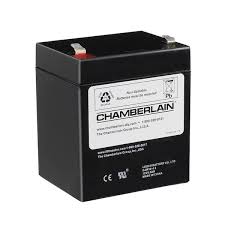
- 12-Volt Sealed Lead-Acid (SLA) Batteries: These are the most common backup batteries for residential garage door openers. They typically last 3–5 years.
- Lithium-Ion Backup Batteries: Newer models from brands like LiftMaster and Chamberlain use lithium-ion batteries, which are lighter, last longer (up to 7 years), and charge faster.
According to Wikipedia’s article on garage door openers, modern openers with battery backup systems can operate the door up to 20 times during a power outage, depending on the battery capacity and door weight.
Step-by-Step Guide: How to Replace Your Garage Door Remote Battery
Replacing your remote battery is a simple task that takes less than five minutes. Follow these steps:
- Locate the Battery Compartment: Turn your remote over and look for a small panel, usually secured with a screw or a sliding mechanism.
- Open the Compartment: Use a small Phillips-head screwdriver if necessary. Be gentle to avoid stripping the screw.
- Remove the Old Battery: Note the orientation (+ and – symbols) before removing the old battery.
- Insert the New Battery: Place the new battery in the same orientation. Ensure it sits flush in the compartment.
- Close the Compartment: Secure the panel back in place.
- Test the Remote: Stand within 10–15 feet of your garage door and press the button. The door should respond immediately.
Tools You’ll Need:
- Replacement battery (CR2032, CR2025, AA, or AAA)
- Small Phillips-head screwdriver (if required)
Comparing Battery Types: Which One Is Right for You?
| Battery Type | Typical Use | Lifespan | Cost | Best For |
|---|---|---|---|---|
| CR2032 Lithium | Remote controls | 2–5 years | $2–$5 | Most modern remotes |
| CR2025 Lithium | Slim remotes | 2–4 years | $2–$5 | Older or thin-profile remotes |
| AA Alkaline | Universal remotes | 6–12 months | $1–$3 | Budget-friendly options |
| 12V SLA | Backup power supply | 3–5 years | $20–$40 | Openers with battery backup |
| Lithium-Ion | Backup power supply | 5–7 years | $50–$80 | Premium openers (e.g., LiftMaster) |
Signs Your Garage Door Battery Needs Replacement
Don’t wait until your remote stops working entirely. Watch for these warning signs:
- Reduced Range: You need to stand closer to the garage door for the remote to work.
- Intermittent Response: The door opens sometimes but not others.
- Weak LED Light: If your remote has an indicator light, it appears dimmer than usual.
- Age: If it’s been more than 2 years since your last battery change, it’s time to replace it proactively.
For backup batteries, test them quarterly by unplugging your opener from the wall outlet and attempting to operate the door using the wall button or remote. If the door doesn’t move, the backup battery likely needs replacement.
FAQ Section
Q1: Can I use a rechargeable battery in my garage door remote?
A: While technically possible, rechargeable batteries are not recommended for garage door remotes. They have a lower voltage output (1.2V vs. 1.5V for alkaline) and may not provide enough power for consistent performance. Stick with lithium or alkaline disposable batteries for best results.
Q2: How often should I replace my garage door remote battery?
A: For lithium coin cells (CR2032/CR2025), replace every 2–5 years. For AA/AAA alkaline batteries, replace every 6–12 months. If you notice reduced range or intermittent operation, replace the battery immediately.
Q3: What happens if I install the battery backwards?
A: Installing the battery backwards will prevent the remote from working, but it typically won’t damage the device. Simply remove the battery, flip it to the correct orientation, and reinsert it. Always check the + and – symbols before inserting.
Q4: Can I upgrade my garage door opener to have a battery backup?
A: Yes, many modern garage door openers offer retrofit battery backup kits. Brands like LiftMaster, Chamberlain, and Genie sell compatible backup units. Check your opener’s model number and consult the manufacturer’s website for compatibility.
Q5: Why does my garage door remote work intermittently even with a new battery?
A: Intermittent issues may stem from:
- Signal interference from nearby electronics (Wi-Fi routers, LED lights).
- Damaged remote buttons or internal circuitry.
- Misaligned safety sensors on the garage door itself.
- Weak signal reception due to distance or obstacles.
Try reprogramming the remote or consulting a professional technician if the problem persists.
Q6: Are lithium batteries safe for garage door remotes?
A: Yes, lithium coin cell batteries are perfectly safe for garage door remotes. They are designed for low-drain devices and pose minimal risk when handled properly. Keep them away from children and pets, as swallowing a coin cell battery can be dangerous.
Conclusion
Knowing what type of battery does a garage door opener use is essential for maintaining smooth, reliable access to your home. Whether you’re replacing a small CR2032 coin cell in your remote or upgrading to a lithium-ion backup battery for your opener, choosing the right battery ensures your garage door operates when you need it most.
Remember:
- Remote controls typically use CR2032 or CR2025 lithium coin cells.
- Backup systems use 12-volt sealed lead-acid or lithium-ion batteries.
- Replace batteries proactively to avoid unexpected failures.
If you found this guide helpful, share it with friends and family who might be struggling with their garage door remotes. A quick battery swap could save someone from being locked out of their garage!
Have questions or experiences to share? Leave a comment below—we’d love to hear from you!
Leave a Reply