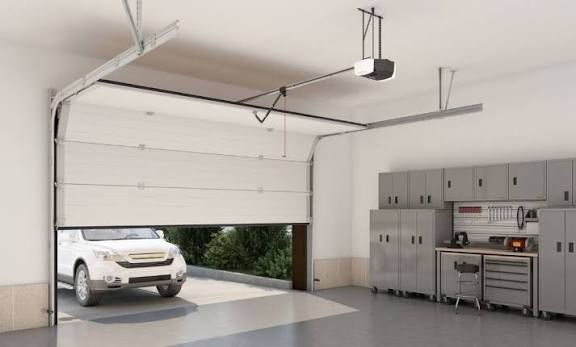
Choosing the right garage door opener can feel overwhelming with so many options on the market. You want reliability, security, and convenience without breaking the bank or dealing with constant repairs. Understanding what to look for in a garage door opener ensures you make a smart investment that serves your household for years to come.
Whether you are replacing an old, noisy unit or installing one in a new home, this guide breaks down the essential factors every homeowner should consider. From drive types to smart connectivity, we will help you navigate the technical details with ease.
Why Does the Drive Type Matter?
The drive type is the mechanism that moves your garage door up and down. It is arguably the most critical decision because it directly impacts noise levels, maintenance requirements, and durability. There are four primary types available today.
Chain Drive
Chain drive openers use a metal chain, similar to a bicycle chain, to pull the trolley that opens and closes the door. They are the most common and affordable option.
- Pros: Highly durable, cost-effective, and widely available.
- Cons: Noisy operation due to metal-on-metal contact.
These are ideal for detached garages where noise is not a concern. However, if your garage shares a wall with your living space, the rattling sound might be disruptive.
Belt Drive
Belt drive openers use a rubber or fiberglass-reinforced belt instead of a metal chain. This design significantly reduces vibration and noise.
- Pros: Whisper-quiet operation, smooth performance, low maintenance.
- Cons: Slightly more expensive than chain drives; belts may need replacement after 5–7 years.
If you have a bedroom above the garage or use the space as a workshop, a belt drive is often the best choice for comfort.
Screw Drive
Screw drive openers use a threaded steel rod to move the trolley. They have fewer moving parts, which means less maintenance over time.
- Pros: Fewer moving parts, consistent performance in varying temperatures.
- Cons: Can be noisy, requires regular lubrication, slower operation.
These units perform well in extreme climates but are becoming less common in residential settings due to noise concerns.
Direct Drive
Direct drive openers have a motor that travels along a stationary chain or screw. The motor itself moves, eliminating the need for a separate trolley.
- Pros: Extremely quiet, minimal maintenance, compact design.
- Cons: Higher upfront cost, fewer brands offer this technology.
For homeowners seeking premium performance and longevity, direct drive systems offer exceptional value despite the higher price tag.
How Much Horsepower Do You Need?
Horsepower (HP) determines the lifting capacity of your opener. Choosing the wrong HP can lead to premature wear or failure to operate. Most residential garage doors fall into three categories based on weight and size.
| Door Type | Recommended HP | Best For |
|---|---|---|
| Single Car, Lightweight | 1/3 HP | Small, single-layer doors |
| Standard Double Car | 1/2 HP | Most average-sized wooden or steel doors |
| Heavy Wood or Insulated | 3/4 HP – 1 HP | Large, insulated, or custom wood doors |
Expert Tip: If you are unsure, opt for a 1/2 HP or 3/4 HP model. It is better to have extra power than to strain the motor. Overworking an underpowered opener can shorten its lifespan significantly.
According to industry standards, modern openers are designed to handle heavier insulated doors, which are increasingly popular for energy efficiency. Always check your door’s weight specifications before purchasing.
What Safety Features Are Essential?
Safety should never be compromised when selecting a garage door opener. Since 1993, federal law in the United States has mandated specific safety mechanisms to prevent accidents.
Photo-Eye Sensors
These sensors are installed near the floor on both sides of the garage door. They emit an invisible beam across the doorway. If the beam is interrupted by a person, pet, or object, the door automatically reverses direction.
Always test these sensors monthly by placing an object in the door’s path while closing. If the door does not reverse, discontinue use and call a professional.
Auto-Reverse Mechanism
In addition to photo-eyes, openers must have an auto-reverse feature that detects resistance. If the door hits an obstacle, it should immediately stop and reverse. This mechanical safeguard acts as a backup if the photo-eyes fail or are misaligned.
Rolling Code Technology
Older openers used fixed codes, making them vulnerable to hacking. Modern openers use rolling code technology, which changes the access code every time you use the remote. This prevents thieves from intercepting and replicating your signal.
For more information on safety standards, you can refer to the Consumer Product Safety Commission guidelines or general safety overviews on Wikipedia.
Should You Choose a Smart Garage Door Opener?
Smart technology has transformed garage door openers from simple mechanical devices into integrated home automation hubs. Wi-Fi-enabled openers allow you to control your garage door via smartphone apps, voice assistants, and remote monitoring.
Key Benefits of Smart Openers
- Remote Access: Open or close your door from anywhere in the world.
- Activity Logs: Receive notifications when the door is opened or closed.
- Voice Control: Integrate with Amazon Alexa, Google Assistant, or Apple HomeKit.
- Guest Access: Grant temporary access to delivery drivers or house sitters without sharing physical remotes.
Considerations
Smart openers require a stable Wi-Fi connection in your garage. If your signal is weak, you may need a Wi-Fi extender. Additionally, ensure the brand offers robust cybersecurity measures to protect your home network.
While smart features add convenience, they are not essential for basic operation. If you prefer simplicity, a standard non-smart opener with reliable remote controls may suffice.
What About Noise Levels and Durability?
Noise level is measured in decibels (dB). Standard chain drives operate around 70–80 dB, comparable to a vacuum cleaner. Belt drives typically range from 50–60 dB, similar to a normal conversation.
Durability depends on build quality and materials. Look for openers with:
- Steel Gears: More durable than plastic gears, especially in high-use households.
- Battery Backup: Ensures operation during power outages, a crucial feature in areas prone to storms.
- Warranty Coverage: Reputable brands offer warranties ranging from 1 to 10 years on parts and labor.
A longer warranty often indicates manufacturer confidence in product longevity. Read the fine print to understand what is covered, as some warranties exclude labor costs.
FAQ Section
Q: How long do garage door openers last?
A: Most garage door openers last between 10 to 15 years with proper maintenance. Regular lubrication and sensor checks can extend their lifespan.
Q: Can I install a garage door opener myself?
A: Yes, many homeowners successfully install openers using DIY kits. However, if you are uncomfortable with electrical wiring or heavy lifting, hiring a professional is recommended for safety and warranty validity.
Q: Do I need a battery backup?
A: While not mandatory, a battery backup is highly recommended. It allows you to open and close your garage door during power outages, ensuring access to your vehicle and home.
Q: Are all garage door openers compatible with my existing door?
A: Most openers are compatible with standard sectional garage doors. However, unusual door types, such as one-piece tilt-up doors, may require specific models or additional hardware. Check compatibility before purchasing.
Q: How often should I maintain my garage door opener?
A: Perform basic maintenance every six months. This includes lubricating moving parts, testing safety sensors, and checking the balance of the door. Annual professional inspections are also advisable.
Conclusion
Knowing what to look for in a garage door opener empowers you to choose a unit that balances performance, safety, and budget. Prioritize the drive type based on your noise tolerance, select adequate horsepower for your door’s weight, and never compromise on essential safety features like photo-eye sensors and rolling codes.
Whether you opt for a budget-friendly chain drive or a premium smart belt drive, regular maintenance will ensure years of reliable service. Share this guide with friends or family who are considering a garage door upgrade, and help them make an informed decision too.
Leave a Reply