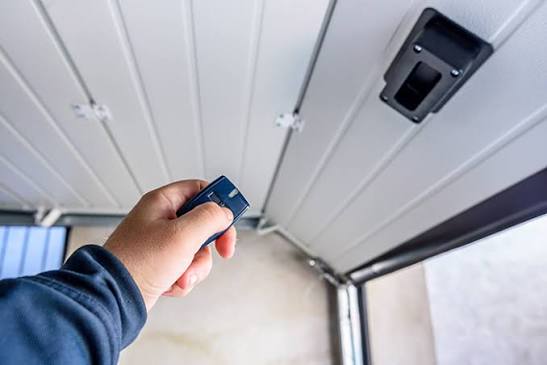
Losing your remote can be incredibly stressful, especially when you are stuck outside in the rain or running late for work. If you are wondering what to do if you lost your garage door opener, take a deep breath—you are not alone, and there are several reliable, straightforward ways to regain access. This guide will walk you through immediate actions, critical security measures, and long-term solutions to get your garage working smoothly and safely again.
What To Do If You Lost Your Garage Door Opener: Immediate Steps
The moment you realize your remote is missing, your first instinct might be panic. However, acting methodically is your best defense. Start by retracing your steps: check between car seats, under floor mats, and in recent jacket pockets.
If the remote is truly gone, your immediate priority shifts to securing your home. A lost garage door remote is functionally equivalent to a lost house key. Do not leave your garage unattended or unlocked while you figure out the next steps. If you have a secondary keypad or an interior wall button, ensure the garage door is fully closed and locked from the inside until you can reprogram the system.
How to Open Your Garage Door Without the Remote
If you are locked out, you can still access your garage using the manual emergency release mechanism. Every standard garage door system is equipped with this feature for power outages and emergencies.
Follow these concrete steps to open the door manually:
- Locate the emergency release cord: Look for a red handle hanging from the garage door opener rail, usually near the center of the door.
- Ensure the door is closed: Never pull the release cord while the door is open, as it will crash down unexpectedly.
- Pull the cord down firmly: Apply a steady, downward force of about 5–10 pounds. You will hear a distinct “click” as the trolley disengages from the opener carriage.
- Lift the door manually: Grasp the bottom edge of the garage door. Lift it steadily, applying about 10–15 pounds of upward force. Modern, well-balanced doors should lift smoothly.
- Secure the door: Once open, prop it up securely if you need to leave it unattended, though closing and locking it from the inside is highly recommended.
Note: To re-engage the automatic opener later, simply close the door completely and pull the release cord toward the door until it clicks back into place.
Step-by-Step Guide to Reprogramming a New Opener
Replacing and reprogramming a remote is simpler than most homeowners think. Follow this exact tutorial to restore your automated access.
Step 1: Purchase a Compatible Remote
Check your existing motor unit’s brand and model number. Most modern openers operate on either a 315 MHz or 390 MHz frequency. Buying a universal remote that matches this frequency is crucial for compatibility.
Step 2: Clear the Old Memory (Critical for Security)
Locate the “Learn” or “Smart” button on the back or side of the motor unit. It is usually yellow, purple, red, or green. Press and hold this button for exactly 6 seconds until the adjacent LED indicator light turns off. This erases all previously paired remotes, ensuring whoever found your lost remote cannot open your garage.
Step 3: Initiate Pairing Mode
Press the “Learn” button once briefly. The LED light will illuminate or begin to blink, indicating the system is ready to pair. You typically have a 30-second window to complete the next step.
Step 4: Program the New Remote
Within that 30-second window, point your new remote at the motor unit and press and hold the desired button for 3 to 5 seconds. Release the button when you see the motor unit’s lights flash or hear a click.
Step 5: Test the System
Stand clear of the door and press the newly programmed button. The door should activate immediately. If it does not, repeat Steps 2 through 4, ensuring you are within 10 feet of the motor unit during programming.
Security Risks of a Lost Garage Door Remote
Ignoring a lost remote is a significant security vulnerability. According to recent home security studies, nearly 30% of residential burglaries involve unauthorized access through a garage door.
“A lost remote is essentially a lost key to your home,” explains Sarah Jenkins, a certified residential security specialist. “If it falls into the wrong hands, and your address is identifiable from the remote or your car, your property is at direct risk.”
Modern systems use rolling code technology, which changes the access code every time the remote is used. However, if you do not clear the opener’s memory, the lost remote retains its last valid code sequence. Understanding the history and mechanics of a garage door opener can help you appreciate why clearing the memory and upgrading to rolling-code systems is vital for modern home security.
Manual Override vs. Smart Garage Controllers: A Comparison
When deciding how to move forward, you might consider upgrading your system. Here is a quick comparison to help you decide.
| Feature | Manual Override (Existing) | Smart Garage Controller (Upgrade) |
|---|---|---|
| Cost | Free (already installed) | $30 – $100 + installation |
| Access Method | Physical red cord & lifting | Smartphone app, Wi-Fi, voice |
| Security Level | Low (vulnerable if left unlocked) | High (encrypted, real-time alerts) |
| Convenience | Low (requires physical effort) | High (open/close from anywhere) |
| Best For | Emergency backup only | Daily use and remote monitoring |
Recommendation: If you frequently misplace items, investing in a smart garage controller allows you to open your door via your smartphone, eliminating reliance on physical remotes entirely.
Frequently Asked Questions (FAQ)
1. Can someone else use my lost garage door opener?
Yes, if they are within range (typically 100–150 feet) and you have not cleared the opener’s memory. This is why executing the “Clear Memory” step (holding the Learn button for 6 seconds) is absolutely critical.
2. How much does a replacement garage door remote cost?
A basic, brand-specific replacement remote typically costs between $25 and $45. Universal remotes range from $15 to $30, while advanced smart controllers or keychain remotes may cost up to $60.
3. Will resetting the opener erase all my existing remotes?
Yes. Holding the “Learn” button for 6 seconds wipes the entire memory bank. You will need to reprogram every single remote, keypad, and vehicle HomeLink system you currently own.
4. Can I use my smartphone as a garage door opener?
Absolutely. By installing a Wi-Fi-enabled smart garage hub (like myQ or a similar brand-compatible device), you can control your door directly from an iOS or Android app, track open/close history, and receive instant alerts.
5. How do I know if my garage door remote frequency is 315 MHz or 390 MHz?
Open the battery compartment of your old remote (if you have a spare) or check the label on the back of the motor unit. The frequency is almost always printed on a sticker alongside the model number.
Conclusion
Discovering what to do if you lost your garage door opener does not have to be a stressful ordeal. By acting quickly to manually secure your garage, clearing the opener’s memory to prevent unauthorized access, and reprogramming a new remote with precise steps, you can restore both convenience and peace of mind. For long-term resilience, consider upgrading to a smart garage controller to keep your home secure and accessible from your phone.
Found this guide helpful? Don’t keep it to yourself! Share this article on Facebook, Twitter, or Pinterest to help a friend or family member who might be facing the same stressful situation today.
Leave a Reply