There is nothing quite as frustrating as pulling into your driveway after a long day, pressing the remote, and watching your garage door refuse to budge. Whether you are running late for work or just want to get inside your home, a malfunctioning door can cause immediate stress and anxiety. If you are wondering what to do if garage door won’t open, you are not alone; this is one of the most common household maintenance issues in the United States.
Before you panic or call an expensive technician, take a deep breath. Many garage door issues are simple mechanical glitches or sensor misalignments that you can fix yourself in under 15 minutes. This guide will walk you through safe, effective troubleshooting steps to get your door moving again.
Check the Power Source and Remote Control
The first step in any troubleshooting process is to rule out the simplest explanations. Often, the issue is not with the heavy machinery of the door itself, but with the signal trying to activate it.
Inspect the Opener Unit
Start by looking at the motor unit attached to your garage ceiling. Is the light on? If the unit is completely dead, check your home’s circuit breaker panel. A tripped breaker is a frequent culprit, especially after storms or power surges. Reset the breaker and try the wall button inside the garage. If the door opens using the wall button but not the remote, the issue lies with the remote, not the opener.
Test the Remote Batteries
If the wall button works but the handheld remote does not, replace the batteries. Even if the remote light blinks, the signal may be too weak to trigger the motor. Use fresh, high-quality alkaline batteries. Additionally, check if the remote has been dropped recently; internal components can become loose upon impact.
Pro Tip: Keep a spare set of batteries in your car’s glove compartment. It saves time and prevents being stranded outside during bad weather.
Examine the Safety Sensors
Modern garage doors are equipped with photo-eye sensors located near the floor on both sides of the door track. These are critical safety features designed to prevent the door from closing on people, pets, or objects. If these sensors are misaligned or blocked, the door will refuse to close or open properly.
Look for Obstructions
Check the area between the two sensors. Are there boxes, bikes, or leaves blocking the beam? Even a small spiderweb can interrupt the infrared signal. Clean the lenses gently with a soft, dry cloth.
Check the Indicator Lights
Most sensors have LED lights. Typically, one sensor emits a steady amber or green light, while the receiving sensor shows a steady blue or green light. If the receiving sensor’s light is blinking or off, the eyes are misaligned. Adjust the brackets slightly until both lights remain steady. You should hear a click when they align correctly.
According to the Consumer Product Safety Commission, garage door sensors are mandatory for all openers manufactured after 1993 to prevent entrapment injuries. Ensuring they function correctly is not just about convenience; it is about safety.
Inspect the Tracks and Rollers
If the power is on and the sensors are clear, the problem might be mechanical. The metal tracks that guide the door must be perfectly aligned for smooth operation.
Look for Debris and Damage
Examine the vertical and horizontal tracks for dents, bends, or obstructions. Small rocks, hardened grease, or built-up dirt can jam the rollers. Use a stiff brush to clean the tracks thoroughly. Never use water or lubricants that attract dust, such as WD-40, on the tracks themselves.
Check Roller Condition
Inspect the rollers that move along the track. Are they cracked, chipped, or worn down? Nylon rollers are quieter but can crack over time, while steel rollers are durable but noisier. If you see significant damage, the rollers may need replacement. However, if they are simply dirty, cleaning them may restore functionality.
| Component | Common Issue | Quick Fix |
|---|---|---|
| Tracks | Bent or misaligned | Gently tap back into place with a rubber mallet |
| Rollers | Dirty or stuck | Clean with a degreaser and dry cloth |
| Hinges | Loose screws | Tighten with a socket wrench |
| Springs | Broken or snapped | Do not touch. Call a professional immediately. |
Evaluate the Springs and Cables
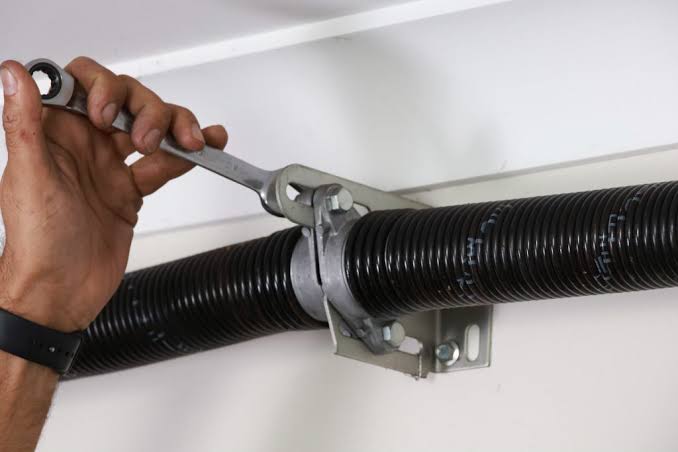
Garage doors are heavy, often weighing between 150 to 400 pounds. The torsion springs or extension springs counterbalance this weight, making it easy for the motor to lift the door. If a spring breaks, the door becomes extremely heavy and dangerous to operate.
Signs of a Broken Spring
Look for a gap in the torsion spring above the door or a snapped extension spring on the side. You might also hear a loud bang, which is the sound of the spring breaking under tension. If you suspect a broken spring, do not attempt to open the door manually or with the opener. The sudden release of tension can cause severe injury or property damage.
Cable Inspection
Check the lifting cables on either side of the door. They should be taut and evenly wound on the drums. If a cable is frayed, loose, or has come off the drum, stop using the door immediately. Like springs, cables are under high tension and require professional tools and expertise to repair.
Manual Release and Emergency Operation
If you need to get your car out immediately and cannot wait for repairs, you can use the manual release mechanism. This disengages the door from the motor, allowing you to lift it by hand.
Step-by-Step Manual Release
- Locate the Red Cord: Find the red emergency release cord hanging from the trolley on the opener rail.
- Pull Down Firmly: Pull the cord down and toward the door. You should hear a click as the trolley disconnects.
- Lift the Door: Stand firmly, bend your knees, and lift the door manually. Be prepared for the weight; without the spring assistance (if broken), it will be very heavy.
- Secure the Door: Once open, prop it up securely if you need to leave it open, or close it carefully if you are locking up.
Warning: Only use the manual release in emergencies. Re-engaging the door improperly can damage the opener. Always consult your manufacturer’s manual for specific re-engagement instructions.
When to Call a Professional
While DIY fixes are great for minor issues, some problems require specialized knowledge and tools. Knowing when to step back can save you money and keep you safe.
- Broken Springs: As mentioned, these are highly dangerous.
- Bent Tracks: Severe bends require professional realignment or replacement.
- Electrical Issues: If the motor smells like burning or sparks, unplug it and call an electrician or technician.
- Persistent Problems: If you have tried all the above steps and the door still fails, there may be an internal circuit board failure.
Professional technicians have the training to handle high-tension components safely. According to industry standards, annual maintenance checks can extend the life of your garage door system by up to 50%.
FAQ Section
Why does my garage door open halfway and then stop?
This is usually a sign of incorrect limit settings or an obstruction. Check the tracks for debris and ensure the safety sensors are aligned. If the path is clear, you may need to adjust the “travel limits” on the motor unit according to your manual.
Can I lubricate my garage door myself?
Yes, but use the right product. Apply a silicone-based lubricant or lithium grease to the rollers, hinges, and springs. Avoid using WD-40 as it attracts dust and dries out quickly, leading to more friction over time.
How often should I replace my garage door remote batteries?
It is recommended to replace batteries once a year, even if they seem to be working. Weak batteries can cause intermittent failures, leaving you stranded unexpectedly.
Is it safe to use a garage door with a noisy motor?
Noise can indicate worn gears, loose hardware, or lack of lubrication. While it may still function, continued use can lead to complete motor failure. Investigate the source of the noise and address it promptly to avoid costly repairs later.
What should I do if the door falls suddenly?
If the door falls, stay clear and do not attempt to catch it. This indicates a catastrophic failure of the springs or cables. Keep children and pets away from the area and contact a professional repair service immediately.
Conclusion
Dealing with a stuck garage door is stressful, but understanding what to do if garage door won’t open empowers you to handle many common issues confidently. By checking the power, cleaning the sensors, and inspecting the tracks, you can resolve most minor glitches without professional help. Remember, safety always comes first—never attempt to repair high-tension springs or cables on your own.
If you found this guide helpful, please share it with your friends and family on social media. You never know who might be standing in their driveway right now, wishing they knew these simple troubleshooting tips! Stay safe and keep your home secure.
Leave a Reply