Introduction
Hearing a loud bang from your garage and seeing your door hang crookedly is every homeowner’s nightmare. It disrupts your daily routine and raises immediate safety concerns about potential damage or injury. If you are wondering what to do if garage door comes off track, the most critical first step is to stop operating the door immediately to prevent further harm to the system or yourself.
Garage doors are heavy, tension-loaded systems that require careful handling. While some minor adjustments can be handled by a confident DIYer, understanding when to call a professional is vital for your safety. This guide will walk you through the immediate actions, diagnostic steps, and repair processes needed to get your garage door back on track safely and efficiently.
Why Did My Garage Door Come Off Track?
Before jumping into fixes, it helps to understand why this happened. Garage doors don’t just decide to leave their tracks spontaneously; there is usually an underlying cause. Identifying the root cause prevents the issue from recurring.
Common reasons include:
- Loose Hardware: Over time, vibration from daily use can loosen the bolts holding the track brackets to the wall or ceiling.
- Obstructions: Even small objects like rocks, toys, or built-up debris in the track can force the rollers out of alignment.
- Damaged Rollers: Worn-out, cracked, or broken rollers cannot glide smoothly, causing them to jump the track.
- Impact Damage: Accidentally hitting the door with a vehicle or a ladder can bend the track or dislodge the rollers.
- Broken Cables or Springs: If a lifting cable snaps or a spring fails, the door becomes unbalanced, putting excessive pressure on one side of the track.
According to industry data, improper maintenance accounts for nearly 30% of all garage door failures. Regular inspections can catch loose bolts before they lead to a derailment.
Immediate Safety Steps: What To Do First
When you discover your garage door is off-track, panic is not your friend. Follow these immediate safety protocols to protect your property and family.
1. Stop Using the Opener
Do not attempt to open or close the door using the automatic opener. Forcing the motor can strip gears, burn out the motor, or cause the door to fall completely. Disconnect the power to the garage door opener by unplugging it or switching off the circuit breaker.
2. Secure the Area
Keep children and pets away from the garage. An off-track door is unstable and could fall unexpectedly. If the door is partially open, do not try to hold it up manually unless you are experienced with garage door weights.
3. Assess the Damage
Look at the door from a safe distance. Check if:
- The track is bent or twisted.
- The cables are hanging loose or snapped.
- The springs are intact or broken.
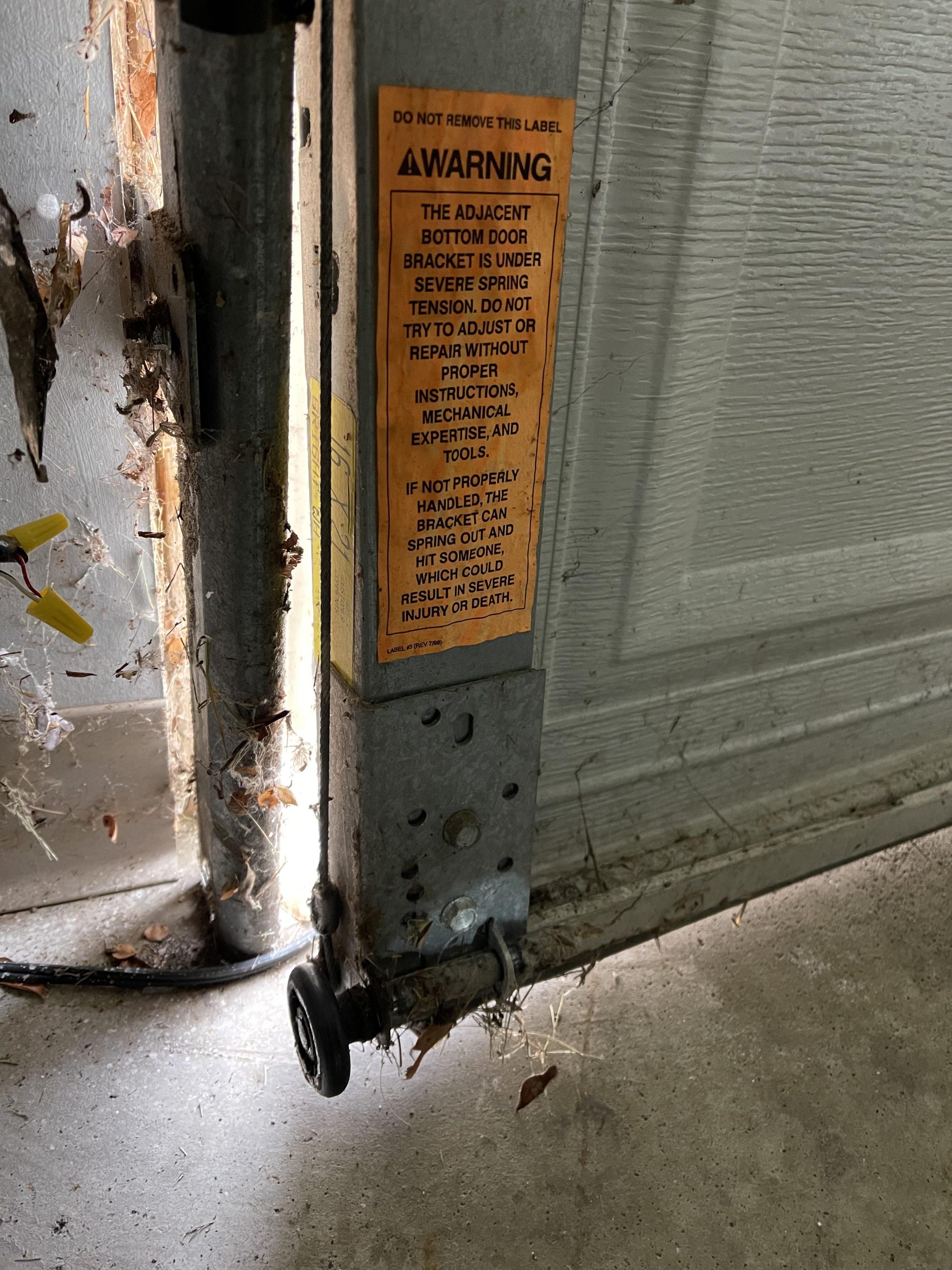
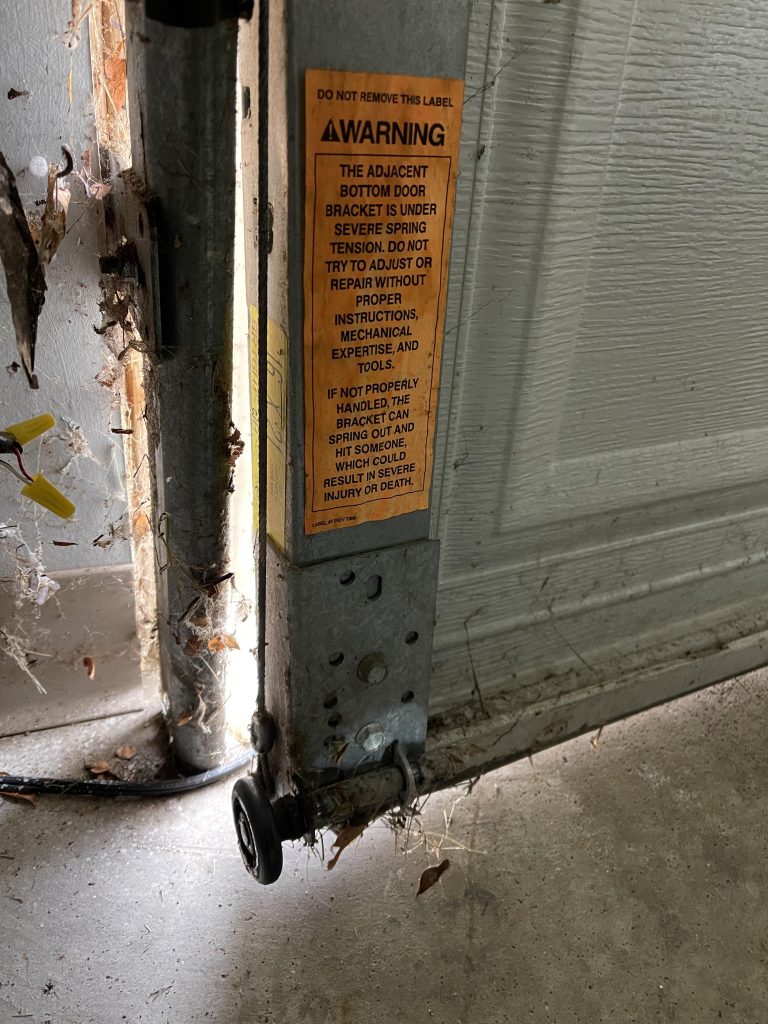
If you see broken springs or snapped cables, do not attempt any repairs yourself. These components are under extreme tension and can cause severe injury or death if handled incorrectly. Call a professional technician immediately.
Tools You Will Need for Repair
If the damage appears minor (e.g., loose brackets or slightly misaligned rollers) and no high-tension components are broken, you may proceed with caution. Gather these tools before starting:
- Adjustable Wrench or Socket Set: For tightening bolts and nuts.
- Rubber Mallet: To gently tap the track back into alignment without damaging it.
- Level: To ensure the track is perfectly horizontal and vertical.
- Pliers: For gripping rollers or small hardware.
- Ladder: A sturdy stepladder to reach the upper tracks.
- Safety Glasses and Gloves: Essential protection against metal shards and pinch points.
- Lubricant: Silicone-based garage door lubricant for post-repair maintenance.
Step-by-Step Guide: How to Put a Garage Door Back on Track
Follow these steps carefully. If at any point you feel unsure, stop and call a professional.
Step 1: Release Tension Safely
If the door is partially open, you need to lower it gently. Since the opener is disconnected, you will need to manually lower it. Have a helper support the weight of the door while you slowly release any remaining tension. Never stand directly under the door.
Step 2: Inspect and Straighten the Track
Examine the metal tracks for bends or dents.
- If the track is slightly bent, use your rubber mallet to gently tap it back into shape.
- Use your level to check the alignment. The vertical tracks should be perfectly plumb, and the horizontal tracks should have a slight downward slope toward the back of the garage (usually 1/4 inch per foot) to help the door roll closed.
For more detailed technical specifications on track alignment, you can refer to general mechanical principles found on Wikipedia’s page on Garage Doors.
Step 3: Tighten Loose Brackets
Check all the bolts and screws that hold the track to the wall and ceiling joists.
- Use your wrench or socket set to tighten any loose hardware.
- Pay special attention to the brackets near the top of the vertical track, as these bear the most stress.
Step 4: Realign the Rollers
This is the trickiest part. You need to guide the rollers back into the track.
- Lift the door slightly to relieve pressure on the rollers.
- Use pliers to gently widen the track opening if necessary (be careful not to bend it too much).
- Guide the roller back into the track channel.
- Once the roller is in, squeeze the track back to its original width if you widened it.
Step 5: Test the Door Manually
Before reconnecting the opener, lift and lower the door manually several times.
- It should move smoothly without binding or jerking.
- Listen for grinding noises, which indicate misalignment.
- Ensure the door stays balanced and doesn’t slam shut.
Step 6: Reconnect and Test the Opener
Once the manual operation is smooth:
- Reconnect the power to the opener.
- Engage the opener mechanism.
- Test the door using the remote or wall button.
- Observe the first few cycles closely to ensure everything runs correctly.
When to Call a Professional
While DIY repairs can save money, knowing your limits is crucial. Call a certified garage door technician if:
| Situation | Reason |
|---|---|
| Broken Springs | High tension risk; requires specialized tools and training. |
| Snapped Cables | Door is unbalanced and dangerous to handle. |
| Severely Bent Track | May require complete track replacement rather than simple adjustment. |
| Persistent Noise | Indicates deeper internal issues with the opener or hinges. |
| Old Door System | Older doors may have worn parts that fail during DIY attempts. |
Professional technicians have the expertise to handle high-tension components safely. According to the International Door Association, attempting to repair torsion springs without proper training is one of the leading causes of garage door-related injuries.
Preventive Maintenance Tips
Prevention is better than cure. Regular maintenance can keep your garage door on track and extend its lifespan.
- Monthly Visual Inspections: Check for loose bolts, worn rollers, and debris in the tracks.
- Lubricate Moving Parts: Apply silicone-based lubricant to rollers, hinges, and springs every six months. Avoid oil-based lubricants as they attract dirt.
- Clean the Tracks: Wipe down the inside of the tracks with a damp cloth to remove dust and grime.
- Test Balance: Disconnect the opener and manually lift the door halfway. It should stay in place. If it falls or rises, the springs are unbalanced.
- Check Weather Stripping: Replace worn weather stripping to keep debris and moisture out of the garage.
FAQ Section
Q1: Can I fix an off-track garage door by myself?
A: Yes, if the issue is minor, such as loose brackets or slightly misaligned rollers, and no high-tension components (springs/cables) are damaged. However, if you are uncomfortable with the process or if the damage is severe, it is safer to hire a professional.
Q2: How much does it cost to fix a garage door that came off track?
A: Costs vary depending on the damage. Simple realignment and tightening may cost $100–$200 if done by a pro. If tracks or rollers need replacement, expect $200–$400. If springs or cables are involved, costs can rise to $300–$500 or more.
Q3: Why does my garage door keep coming off track?
A: Recurring issues usually point to an underlying problem such as severely worn rollers, a bent track that wasn’t fully straightened, loose structural brackets, or an unbalanced door due to spring issues. Addressing the root cause is essential.
Q4: Is it dangerous to use a garage door that is slightly off track?
A: Yes. Even a slight misalignment can cause the door to jam, fall unexpectedly, or damage the opener motor. It also puts extra strain on other components, leading to more expensive repairs later. Always fix it before regular use.
Q5: How often should I maintain my garage door?
A: Perform a basic visual inspection monthly. Lubricate moving parts every six months. A professional tune-up is recommended once a year to check springs, cables, and alignment thoroughly.
Conclusion
Dealing with a derailed garage door is stressful, but knowing what to do if garage door comes off track empowers you to handle the situation safely. Remember, safety always comes first: stop using the opener, secure the area, and assess the damage before touching anything. For minor issues, tightens bolts and realigning rollers can get you back up and running. However, never hesitate to call a professional for high-tension repairs.
Regular maintenance is your best defense against future derailments. By keeping your tracks clean, hardware tight, and moving parts lubricated, you ensure smooth operation for years to come.
Found this guide helpful? Share it with your neighbors on social media to help them stay safe and prepared!
Leave a Reply