Have you ever tried to open your garage door only to hear a loud bang followed by silence? It is a startling experience that leaves many homeowners stranded and worried about the potential expense. If you are currently facing this issue, you are likely asking yourself, what should it cost to replace a garage door spring without getting overcharged by a contractor? Understanding the fair market price is essential for protecting your wallet and ensuring your home remains secure.
Understanding the Two Main Types of Garage Door Springs
Before diving into specific prices, it is crucial to identify which type of spring system your garage door uses. The cost varies significantly depending on the mechanism, as each requires different tools, labor intensity, and safety precautions.
Torsion Springs: The Heavy-Duty Option
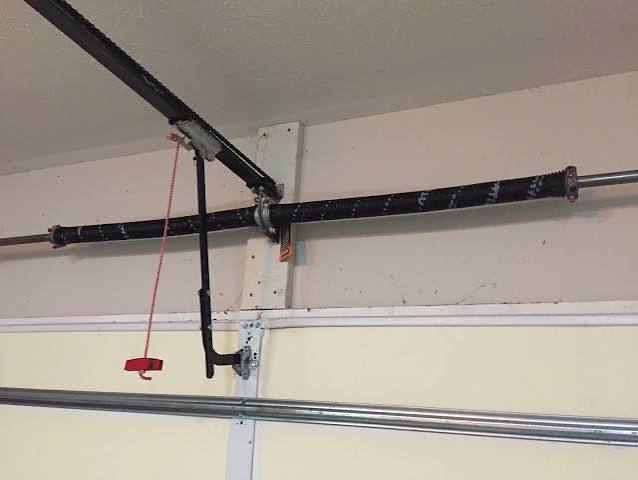
Torsion springs are mounted horizontally above the garage door opening on a metal shaft. They are generally considered safer and more durable than their counterparts. Because they handle the heavy lifting through torque rather than direct stretching, they tend to last longer but require professional installation due to the high tension involved.
Extension Springs: The Side-Mounted Alternative
Extension springs are located on both sides of the door, running parallel to the horizontal tracks. These springs stretch and contract to lift the door. While often cheaper upfront, they can be more dangerous if they snap, as they may fly off if not properly secured with safety cables.
| Feature | Torsion Springs | Extension Springs |
|---|---|---|
| Location | Above the door | Sides of the door |
| Lifespan | 15,000–20,000 cycles | 10,000–15,000 cycles |
| Safety | Higher (contained) | Lower (requires safety cables) |
| Avg. Part Cost | $40–$100 per spring | $20–$50 per spring |
What Should It Cost To Replace A Garage Door Spring?
The national average for replacing a garage door spring typically ranges between $150 and $350. However, this figure can fluctuate based on your location, the type of spring, and whether you need one or both springs replaced.
Breakdown of Costs
- Parts Only: If you are a skilled DIYer, the springs themselves cost between $20 and $100.
- Labor: Professional labor usually accounts for $100 to $200 of the total bill. This includes the technician’s time, travel fee, and the specialized tools required to safely wind the springs.
- Emergency Service: If you need service after hours or on a weekend, expect to pay an additional $50 to $100 in emergency fees.
According to industry standards, most professionals recommend replacing both springs at the same time, even if only one has broken. Since both springs have endured the same number of cycles, the second one is likely near failure. Replacing both ensures balanced lifting and prevents another service call in the near future.
Factors That Influence Replacement Prices
Several variables can cause the final invoice to differ from the national average. Understanding these factors helps you evaluate quotes more effectively.
1. Door Weight and Size
Heavier doors, such as those made of solid wood or insulated steel, require stronger springs with higher poundage ratings. These specialized springs are more expensive to manufacture and purchase. A standard single-car door will cost less to repair than a double-car custom wood door.
2. Geographic Location
Labor rates vary widely across the United States. Homeowners in major metropolitan areas like New York City or San Francisco will typically pay higher labor rates compared to those in rural areas. Always check local listings to gauge the prevailing hourly rate in your zip code.
3. Quality of the Spring
Not all springs are created equal. Look for springs rated by “cycles” (one cycle equals one open and close). Standard springs are rated for 10,000 cycles, while high-cycle springs can last up to 25,000 cycles. Investing in high-cycle springs may cost 20% more initially but can save money in the long run by reducing replacement frequency.
4. Additional Repairs
Often, a broken spring reveals other underlying issues. Technicians may notice worn-out rollers, frayed cables, or damaged pulleys. Addressing these issues during the same visit is efficient but will add to the total cost. For more information on how garage door mechanisms work, you can refer to Wikipedia’s entry on overhead doors.
DIY vs. Professional Replacement: Is It Worth the Risk?
While the temptation to save money by doing it yourself is strong, garage door spring replacement is widely regarded as one of the most dangerous home repairs.
The Dangers of DIY
Garage door springs are under extreme tension—often hundreds of pounds of force. If a winding bar slips or a cable snaps during installation, the stored energy can release violently. This can result in severe injury, including broken bones or lacerations, and significant property damage.
When to Call a Pro
You should always hire a licensed professional if:
- You do not have experience with high-tension mechanical systems.
- You lack the specific tools required (such as winding bars and vice grips).
- The door is unusually heavy or large.
Professional technicians carry insurance and liability coverage, protecting you from financial responsibility in case of accidents. They also ensure the door is properly balanced, which extends the life of your garage door opener.
How to Choose a Reliable Garage Door Technician
Finding a trustworthy provider is just as important as knowing the fair price. Here are steps to ensure you hire a qualified expert:
- Check Licensing and Insurance: Verify that the company is licensed to operate in your state and carries liability insurance.
- Read Recent Reviews: Look for reviews on Google, Yelp, or Angie’s List. Pay attention to comments about punctuality, transparency in pricing, and cleanliness.
- Get Multiple Quotes: Contact at least three companies to compare estimates. Be wary of quotes that are significantly lower than the average, as they may indicate subpar parts or hidden fees.
- Ask About Warranties: A reputable company will offer a warranty on both parts and labor. Standard warranties range from 1 to 5 years.
FAQ Section
How long do garage door springs last?
Most garage door springs last between 7 to 12 years, depending on usage. Standard springs are rated for 10,000 cycles, while high-quality torsion springs can last up to 20,000 cycles. If you use your garage door multiple times a day, expect a shorter lifespan.
Can I replace just one garage door spring?
Technically, yes, but it is not recommended. Since both springs were installed at the same time, they have experienced similar wear and tear. Replacing only one puts uneven stress on the new spring and the door opener, likely leading to another breakdown soon. Replacing both ensures balance and longevity.
Why did my garage door spring break?
Springs break due to metal fatigue caused by repeated stretching and contracting. Other factors include lack of lubrication, rust corrosion, extreme temperature fluctuations, and poor initial installation. Regular maintenance can help extend their life, but eventual failure is inevitable.
Is it safe to use my garage door if the spring is broken?
No. You should not attempt to open or close the door manually if a spring is broken. The door becomes extremely heavy, posing a risk of crushing injuries or damaging the door panels and tracks. Keep the door closed and contact a professional immediately.
How can I maintain my garage door springs?
Regular maintenance involves visual inspections for rust or gaps in the coils. You can apply a silicone-based lubricant or garage door-specific spray to the springs twice a year to reduce friction and prevent rust. Avoid using WD-40, as it can attract dust and gum up the mechanism over time.
Conclusion
Knowing what should it cost to replace a garage door spring empowers you to make informed decisions and avoid overpaying. With average costs ranging from $150 to $350, the investment is reasonable considering the safety and convenience a functional garage door provides. Remember, while DIY might seem appealing, the risks associated with high-tension springs make professional installation the wisest choice for most homeowners.
By understanding the types of springs, recognizing the factors that influence price, and choosing a reputable technician, you can ensure your garage door operates smoothly for years to come. Don’t let a broken spring disrupt your daily routine—take action today to restore security and ease to your home.
Found this guide helpful? Share it with your neighbors on Facebook or Twitter to help them prepare for unexpected garage door repairs!
Leave a Reply