Introduction
A faded, peeling, or rusted garage door can instantly drag down your home’s overall curb appeal. We know that standing in the hardware store aisle, staring at dozens of paint cans, can feel completely overwhelming for any homeowner. If you are wondering what paint to use to paint a garage door, you have come to the right place for clear, expert, and easy-to-follow advice.
What Paint To Use To Paint A Garage Door? (The Short Answer)
For the vast majority of residential garage doors—whether they are made of steel, aluminum, wood, or fiberglass—the best choice is a high-quality 100% acrylic latex exterior paint. This type of paint offers excellent flexibility, UV resistance, and durability, allowing it to expand and contract with temperature changes without cracking. If your metal door has existing rust, you must first apply a rust-inhibitive primer before using the acrylic latex topcoat.
Understanding Your Garage Door Material
Not all garage doors are created equal. The material of your door dictates the exact preparation and paint type required for a lasting finish.
- Steel or Metal Doors: These are highly susceptible to rust. They require a thorough cleaning, light sanding, and a dedicated rust-inhibitive primer. Once primed, 100% acrylic latex paint is ideal.
- Wood Doors: Wood expands and contracts significantly. Use a high-quality exterior wood primer to seal the grain, followed by acrylic latex exterior paint. Avoid oil-based paints on wood, as they tend to yellow and become brittle over time.
- Fiberglass and Aluminum Doors: These non-porous surfaces struggle with paint adhesion. You must use a specialized “bonding” primer designed for slick surfaces before applying your acrylic latex topcoat.
Top Paint Types for Garage Doors: Pros & Cons
| Paint Type | Best For | Pros | Cons |
|---|---|---|---|
| 100% Acrylic Latex | Most doors (Metal, Wood, Fiberglass) | Highly flexible, UV resistant, easy water cleanup, low VOC. | Requires a proper primer on slick or rusty surfaces. |
| Oil-Based Enamel | Heavily rusted metal (as a primer/sealer) | Extremely hard finish, excellent rust penetration. | Yellows over time, high VOC, requires mineral spirits for cleanup. |
| Specialty Garage Door Paint | DIYers wanting an all-in-one solution | Often combines primer and paint, formulated for metal. | Can be more expensive, limited color choices. |
Expert Insight: According to the Paint Quality Institute, proper surface preparation accounts for nearly 80% of a paint job’s longevity. Skipping prep to save time will inevitably lead to premature peeling and flaking.
Step-by-Step Guide: How to Paint Your Garage Door
Achieving a professional, factory-like finish requires methodical preparation. Follow these concrete steps for the best results.
Step 1: Clean the Surface Thoroughly
Dirt, grease, and chalky residue prevent paint from adhering. For the cleaning solution, use 2 liters of warm water mixed with two tablespoons of trisodium phosphate (TSP) or a heavy-duty mild detergent. Ensure the ambient temperature is between 22–28°C (72–82°F) for optimal cleaning and subsequent drying. Scrub with a stiff bristle brush and rinse completely with a garden hose.
Step 2: Sand and Repair
Once the door is completely dry, lightly sand the entire surface using 220-grit sandpaper. This creates a “tooth” for the new paint to grip. If there are dents, fill them with an exterior-grade auto body filler, let it cure, and sand it smooth.
Step 3: Apply the Primer
Apply exactly 1 coat of the appropriate primer (rust-inhibitive for metal, bonding for fiberglass, or wood primer for wood). Use a high-density foam roller for flat panels to avoid brush marks. Allow the primer to dry for 2 to 4 hours, or as specified on the manufacturer’s can.
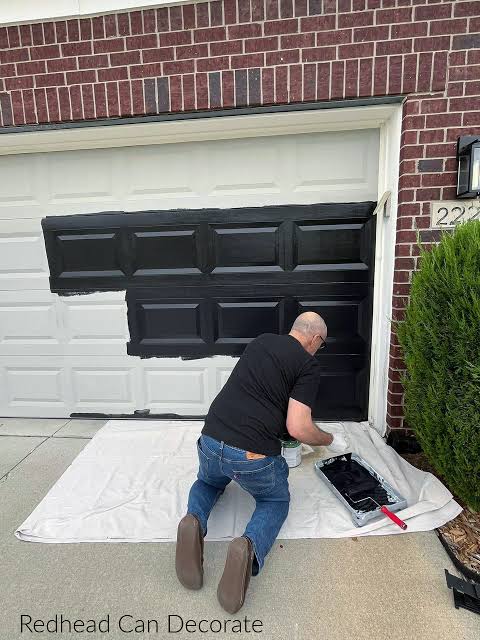
Step 4: Paint the Door
Apply 2 thin coats of 100% acrylic latex exterior paint. Thin coats are vastly superior to one thick coat, which can sag or wrinkle. Wait 4 to 6 hours between coats to ensure the first layer is fully tack-free. Paint the horizontal panels first, then the vertical stiles, working from the top of the door to the bottom to catch any drips.
Expert Tips for a Flawless, Long-Lasting Finish
To truly elevate your DIY project, keep these professional secrets in mind:
- Mind the Weather: Never paint in direct, blazing sunlight or when temperatures exceed 29°C (85°F). The paint will dry too quickly, leading to visible lap marks and poor adhesion.
- Choose the Right Sheen: Opt for a Satin or Semi-Gloss finish. These sheens are durable, resist moisture, and are incredibly easy to wipe clean when dirt accumulates.
- Understand the Chemistry: Understanding the basic chemical composition of paint can help you make an informed decision about which binders (like acrylic polymers) will best adhere to your specific door material and withstand outdoor weathering.
- Protect the Hardware: Use painter’s tape to mask off hinges, handles, and windows. Removing paint from glass or metal hardware after it dries is a frustrating and time-consuming mistake.
Frequently Asked Questions (FAQ)
Q1: Can you use regular exterior paint on a garage door?
A: Yes, absolutely. In fact, high-quality 100% acrylic latex exterior paint is the regular, standard recommendation for garage doors. It is specifically formulated to withstand outdoor elements, UV rays, and temperature fluctuations.
Q2: Do I really need to prime my garage door before painting?
A: Yes. Primer is non-negotiable for bare metal, rusted spots, or slick surfaces like fiberglass. It ensures the topcoat adheres properly and prevents rust from bleeding through the new paint.
Q3: How many coats of paint does a garage door need?
A: You should always apply two thin coats of paint. One thick coat is prone to sagging, dripping, and uneven drying, whereas two thin coats provide uniform color, better durability, and a smoother finish.
Q4: Can I paint my garage door if it already has rust?
A: You can, but you cannot paint over active rust. You must first use a wire brush or sandpaper to remove all loose rust flakes down to the bare metal. Afterward, apply a dedicated rust-inhibitive primer before painting.
Q5: What is the best tool to apply paint to a garage door?
A: For the large, flat panels, a high-density foam roller (4-inch or 9-inch) is the best tool. It applies paint evenly and eliminates the streaky brush marks that traditional bristle brushes often leave behind. Use a small angled brush only for the edges and recessed details.
Conclusion
Choosing the right paint doesn’t have to be a guessing game. By selecting a 100% acrylic latex exterior paint, pairing it with the correct primer, and following a meticulous preparation process, you can transform your garage door into a stunning focal point of your home. Not only will this boost your curb appeal, but it will also protect the underlying material from harsh weather, saving you the massive expense of a full door replacement.
Did you find this guide helpful? Share this article with your friends and family on Facebook, Pinterest, or X to help them tackle their next DIY home improvement project with confidence!
Leave a Reply