Have you ever stood in your driveway wondering if that new SUV will actually fit through your garage opening? Or perhaps you’re planning a renovation and need to know what is the size of a standard garage door before ordering materials? You’re not alone—thousands of homeowners face this same question every day when replacing old doors or building new garages.
Getting the measurements wrong can cost you thousands in custom fabrication fees or leave you with a door that doesn’t properly seal against weather and pests. Let’s break down everything you need to know about standard garage door dimensions so you can make an informed decision with confidence.
What Are the Most Common Standard Garage Door Sizes?
When discussing standard garage door sizes, we’re typically referring to manufactured doors that fit pre-existing openings without requiring custom modifications. These dimensions have become industry standards over decades of residential construction.
Single-Car Garage Doors
The most common single-car garage door measures 8 feet wide by 7 feet tall. This size accommodates most compact cars, sedans, and smaller SUVs comfortably. However, there are variations:
- 8′ x 7′ – The absolute standard for older homes and basic single-car garages
- 9′ x 7′ – Increasingly popular for wider vehicles and easier entry/exit
- 10′ x 7′ – Ideal for trucks, large SUVs, or homeowners who want extra clearance
- 8′ x 8′ – Less common, but useful for taller vehicles like vans
Double-Car Garage Doors
For two-car garages, you have two main options:
| Configuration | Width | Height | Best For |
|---|---|---|---|
| Single Wide Door | 16 feet | 7-8 feet | Modern aesthetic, unobstructed opening |
| Two Separate Doors | 8-9 feet each | 7-8 feet | Traditional look, independent operation |
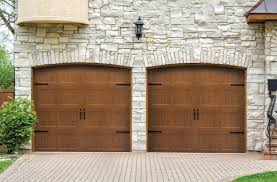
The 16-foot-wide double door has become increasingly popular because it provides easier maneuvering space and a cleaner exterior appearance. However, two separate 8-foot or 9-foot doors offer redundancy—if one mechanism fails, you can still use the other door.
How Do I Measure My Garage Door Opening Correctly?
Before purchasing a replacement door, accurate measurement is critical. Here’s a step-by-step process:
- Measure the width at three points: top, middle, and bottom of the opening. Use the smallest measurement as your guide.
- Measure the height from the floor to the bottom of the header (top of opening). Check both left and right sides.
- Check side clearances – You need at least 3-4 inches on each side for track installation.
- Measure headroom – The space between the top of the opening and the ceiling should be at least 12 inches for standard torsion spring systems.
Pro tip: Always measure in inches and round down to the nearest inch. It’s easier to add weatherstripping than to deal with a door that’s too large.
Why Do Garage Door Sizes Vary Between Homes?
Several factors influence why your neighbor’s garage door might differ from yours:
Home Age and Era Homes built before 1990 typically feature 7-foot-tall doors, while newer construction often includes 8-foot heights to accommodate taller vehicles and storage needs. According to historical building data, vehicle heights have increased approximately 15% since the 1980s, driving changes in standard dimensions.
Regional Building Codes Local regulations can mandate minimum sizes. Some municipalities require wider doors for emergency vehicle access or specific fire safety standards.
Architectural Style Custom homes and luxury properties frequently deviate from standard sizes to achieve specific aesthetic goals. Carriage-house styles, contemporary designs, and historic reproductions all influence door dimensions.
Vehicle Trends The rise of full-size trucks, electric SUVs, and recreational vehicles has pushed manufacturers to offer larger standard options. Wikipedia’s comprehensive overview of garage door history documents how automotive evolution directly influenced residential garage design.
What Size Garage Door Do I Need for My Vehicle?
Choosing the right size depends on your specific vehicles and usage patterns:
For Compact Cars and Sedans
An 8′ x 7′ door provides adequate clearance. Most compact cars are under 6 feet wide and 5 feet tall, leaving comfortable margins on all sides.
For SUVs and Crossovers
Consider upgrading to a 9′ x 7′ or 9′ x 8′ door. Modern mid-size SUVs can exceed 6.5 feet in width with mirrors extended, making the extra foot of width valuable for safe entry without scraping.
For Trucks and Large Vehicles
A 10′ x 8′ door is ideal for full-size pickup trucks, large SUVs, or if you plan to store equipment like ATVs or motorcycles alongside your vehicle.
Clearance Guidelines
Always maintain these minimum clearances:
- Sides: 6-12 inches total (3-6 inches per side)
- Top: 4-6 inches above the tallest point of your vehicle
- Depth: Ensure your garage is deep enough for the door to fully open without hitting your vehicle
What Are the Costs Associated With Different Garage Door Sizes?
Understanding pricing helps you budget appropriately:
Standard Sizes (Most Affordable)
- 8′ x 7′ single door: $500-$1,200 installed
- 16′ x 7′ double door: $800-$2,000 installed
Larger Standard Sizes
- 9′ x 7′ single door: $600-$1,400 installed
- 18′ x 7′ double door: $1,000-$2,500 installed
Custom Sizes (Premium Pricing) Custom doors can cost 30-50% more than standard sizes due to specialized manufacturing and installation requirements.
Money-saving tip: If your opening is close to a standard size, consider adjusting the framing rather than ordering a custom door. This approach often costs less overall.
Common Mistakes When Choosing Garage Door Sizes
Avoid these frequent errors:
Assuming All “Standard” Doors Are Identical Manufacturers have slight variations. Always verify exact dimensions with your specific supplier before finalizing plans.
Ignoring Future Needs That small car might be replaced with a larger vehicle in five years. Consider buying slightly larger than your current needs if budget allows.
Forgetting About Insulation Thickness Insulated doors are thicker than non-insulated models. This affects how the door fits within the opening and interacts with tracks and hardware.
Neglecting Local Climate Factors In areas with heavy snow, additional headroom may be necessary to prevent ice buildup from interfering with door operation.
FAQ Section
What is the standard height for a residential garage door?
The standard height for most residential garage doors is 7 feet, though 8-foot heights are becoming increasingly common in newer construction. The 8-foot option provides better clearance for taller vehicles, roof racks, and overhead storage systems.
Can I install a larger garage door in my existing opening?
Possibly, but it requires structural modifications. You’ll need to widen or raise the opening, which involves cutting into load-bearing walls and reframing. This typically costs $1,500-$4,000 depending on complexity. Consult a structural engineer before proceeding.
What’s the difference between rough opening and finished opening?
The rough opening is the framed space before drywall, trim, and finishing materials are installed. The finished opening is the actual clear space after all materials are in place. Garage doors are sized to fit the finished opening, so always measure after construction is complete.
Are wider garage doors more expensive to operate?
Yes, slightly. Wider doors weigh more and require more powerful openers. A 16-foot door typically needs a ¾ HP opener versus a ½ HP unit for an 8-foot door. Annual electricity costs increase by approximately $5-$10, but the convenience often outweighs this minor expense.
How do I know if my garage door is non-standard?
If your door width isn’t 8, 9, 10, 16, or 18 feet, or the height isn’t 7 or 8 feet, it’s likely custom. Also check manufacturer labels inside the garage—standard doors display model numbers that correspond to standard dimensions. Non-standard doors may have irregular panel configurations or unusual hardware.
Will a larger garage door improve my home’s resale value?
Potentially. Real estate experts note that oversized garage doors appeal to buyers with larger vehicles or those seeking workshop space. However, the ROI varies by market. In suburban areas with truck-heavy demographics, upgraded garage doors can add 2-4% to perceived home value.
Conclusion
Understanding what is the size of a standard garage door empowers you to make smart decisions whether you’re replacing an old door, building new, or simply planning future upgrades. The most common single-car door measures 8′ x 7′, while double-car garages typically use 16′ x 7′ configurations. However, trends toward larger vehicles mean 9-foot and 8-foot-tall options are gaining popularity.
Remember to measure carefully, consider your long-term needs, and don’t hesitate to consult professionals for structural modifications. The right garage door enhances both functionality and curb appeal, making it a worthwhile investment in your home.
Found this guide helpful? Share it with friends who are tackling garage projects, or save it for your next home improvement planning session!
Leave a Reply