Introduction
Replacing a garage door is one of those home improvement projects that often catches homeowners off guard. You might notice a strange noise, see visible damage, or simply realize your current door is ruining your home’s curb appeal. If you are asking yourself, “What is the cost of a new garage door,” you are not alone. This guide breaks down every expense, from materials to labor, so you can budget with confidence and avoid hidden surprises.
Average Cost Breakdown: What Should You Expect to Pay?
The short answer is that the national average for a new garage door installation ranges between $1,200 and $4,500. However, this number can fluctuate significantly based on several variables. Most homeowners spend around $2,800 for a standard double-car steel door with professional installation.
It is crucial to understand that the price tag consists of two main components:
- The Door Unit: The physical door itself.
- Installation Labor: The cost of removing the old door and installing the new one.
Labor typically accounts for 30% to 50% of the total project cost. While DIY installation might seem tempting to save money, it is highly discouraged due to the high tension of garage door springs, which can be dangerous if handled incorrectly.
Cost by Door Size
| Door Type | Average Material Cost | Average Installed Cost |
|---|---|---|
| Single Car (8×7 ft) | $600 – $1,500 | $1,000 – $2,200 |
| Double Car (16×7 ft) | $1,200 – $3,500 | $2,000 – $4,500 |
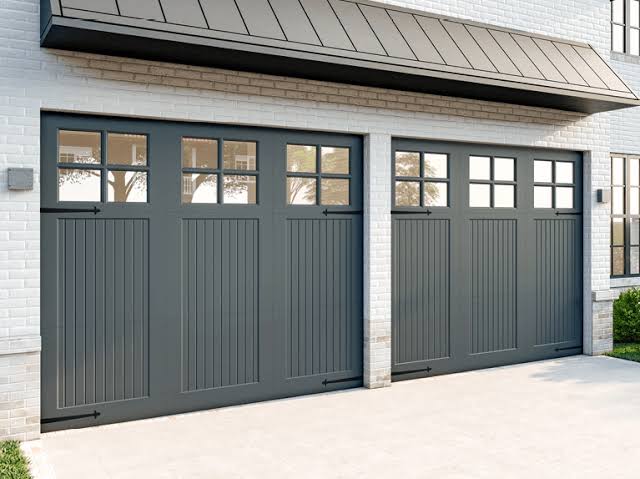
| Custom/Carriage Style | $3,000 – $10,000+ | $4,500 – $12,000+ |
Note: Prices vary by region, with urban areas like New York or San Francisco typically charging 20–30% more for labor.
How Do Different Materials Affect the Price?
When determining what is the cost of a new garage door, the material you choose is the biggest variable. Each material offers different benefits regarding durability, insulation, and aesthetics.
1. Steel (Most Popular)
Steel doors are the industry standard for a reason. They are durable, low-maintenance, and affordable.
- Cost: $1,200 – $3,500 installed.
- Pros: Resistant to warping and cracking; available in many styles.
- Cons: Can dent easily; prone to rust if the coating is damaged.
2. Aluminum
Aluminum is lightweight and resistant to corrosion, making it ideal for coastal areas.
- Cost: $1,500 – $4,000 installed.
- Pros: Rust-proof; modern look with glass panel options.
- Cons: Dents very easily; poor insulator unless specifically designed with thermal breaks.
3. Wood
Wood offers unmatched natural beauty and customization but requires significant upkeep.
- Cost: $3,000 – $10,000+ installed.
- Pros: High curb appeal; excellent insulation properties.
- Cons: Requires regular staining/painting; susceptible to rot and termites.
4. Fiberglass/Composite
These doors mimic the look of wood but are made from durable synthetic materials.
- Cost: $2,500 – $6,000 installed.
- Pros: Resistant to salt air and humidity; low maintenance.
- Cons: Can become brittle in extreme cold; higher upfront cost.
For a deeper understanding of material properties and historical usage in construction, you can refer to general building material standards on Wikipedia.
Does Insulation Impact the Final Cost?
Yes, insulation is a major price driver. Garage doors come in three main insulation categories:
- Non-Insulated (Single Layer): Just a metal skin. Best for detached garages or mild climates. Lowest Cost.
- Polystyrene Foam (Double Layer): Rigid foam boards glued to the inside. Provides basic thermal resistance and noise reduction. Mid-Range Cost.
- Polyurethane Foam (Triple Layer): Injected foam that expands to fill the entire cavity. Offers superior R-value (insulation rating), strength, and quiet operation. Highest Cost.
Expert Tip: If your garage is attached to your house, investing in a polyurethane-insulated door can lower your energy bills by preventing heat transfer. Look for an R-value of R-12 to R-18 for optimal performance.
Hidden Costs: What Else Should You Budget For?
Many homeowners focus solely on the door price, but additional factors can inflate the final bill. Here are common extra costs to anticipate:
- Old Door Removal: Some companies include this in the quote, while others charge $50–$150 for disposal.
- New Hardware & Tracks: If your existing tracks are bent or worn, replacing them adds $100–$300.
- Opener Installation: A new garage door opener (smart or standard) costs between $250 and $600 plus installation.
- Windows and Decorative Hardware: Adding windows can add $100–$400 per window. Decorative handles and hinges may add another $100–$200.
- Structural Repairs: If the framing around your garage opening is rotted or damaged, carpentry repairs will be necessary before installation.
Step-by-Step: How to Get an Accurate Quote
To ensure you are getting a fair price, follow these steps when hiring a professional:
- Measure Correctly: Measure the width and height of your existing opening. Standard sizes are 8×7, 9×7, 16×7, and 18×7 feet.
- Check Spring Type: Identify if you have torsion springs (above the door) or extension springs (on the sides). Torsion systems are safer and last longer but cost more to replace.
- Get Three Quotes: Always obtain at least three written estimates. Ensure each quote includes labor, materials, disposal, and warranty details.
- Verify Licensing: Check that the installer is licensed and insured in your state. This protects you from liability during installation.
- Ask About Warranty: A reputable company should offer a warranty on both the door (often 1–5 years) and the labor (1 year).
Frequently Asked Questions (FAQ)
1. What is the cheapest type of garage door?
The most affordable option is typically a single-layer steel door without insulation. These usually start around $600–$800 for the unit alone. However, they offer minimal noise reduction and thermal protection.
2. How long does a garage door installation take?
A professional team can typically remove an old door and install a new one in 3 to 5 hours. Complex custom doors or situations requiring structural repairs may take a full day.
3. Can I install a garage door myself to save money?
While technically possible, it is not recommended. Garage doors are heavy, and the springs are under extreme tension. A snapped spring can cause severe injury or property damage. Professional installation ensures safety and validates the manufacturer’s warranty.
4. Does a new garage door increase home value?
Yes. According to real estate experts, replacing a garage door offers one of the highest returns on investment (ROI) for home exterior projects, often recouping 85% to 95% of the cost upon resale due to improved curb appeal.
5. How often should I replace my garage door?
With proper maintenance, a quality garage door lasts 15 to 30 years. If your door is over 20 years old, requires frequent repairs, or lacks modern safety features, it is likely time for a replacement.
Conclusion
Understanding what is the cost of a new garage door involves looking beyond the sticker price. By considering material types, insulation levels, and labor costs, you can make an informed decision that fits your budget and enhances your home’s value. Whether you choose affordable steel or luxurious wood, investing in a quality door improves security, energy efficiency, and aesthetic appeal.
Did you find this guide helpful? Share it with friends or family who are planning their next home improvement project! Don’t forget to bookmark this page for future reference as you compare quotes.
Leave a Reply