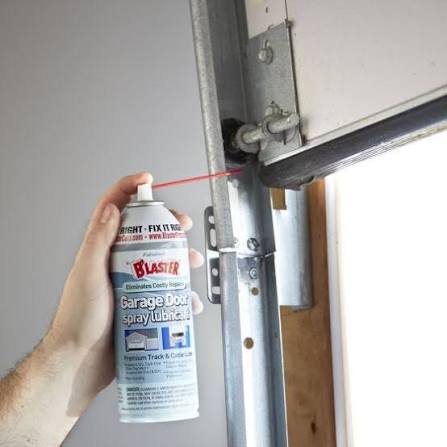
Have you ever winced at the screeching sound of your garage door opening early in the morning? It is not just annoying; it is a sign that your system is crying out for help. Finding what is the best spray lubricant for garage doors can transform that noisy grind into a whisper-quiet glide, saving you from costly repairs down the line.
Why Your Garage Door Needs Specific Lubrication
Many homeowners make the mistake of using general-purpose WD-40 or heavy grease on their garage doors. While these might offer temporary relief, they often attract dust, dirt, and grime, creating a abrasive paste that accelerates wear and tear. A dedicated garage door lubricant is formulated to withstand high friction, extreme temperatures, and vertical application without dripping.
According to industry standards, regular lubrication can extend the life of your garage door springs and rollers by up to 50%. The International Door Association (IDA) recommends lubricating moving parts at least twice a year to maintain optimal performance and safety. For more detailed technical specifications on door mechanisms, you can refer to Wikipedia’s entry on overhead doors.
What Is the Best Spray Lubricant for Garage Doors? Top Picks for 2026
When determining what is the best spray lubricant for garage doors, you need to look for specific chemical properties. The top contenders generally fall into two categories: Silicone-based and Lithium-based white greases. Here is a breakdown of the top performers based on durability, ease of application, and cleanliness.
1. Silicone-Based Sprays: The Cleanest Option
Silicone sprays are widely regarded as the best choice for most residential garage doors. They are non-sticky, meaning they do not attract dust or debris. This is crucial because a clean track ensures smoother operation.
- Pros: Dries clear, does not stain, excellent temperature resistance.
- Cons: May need more frequent reapplication than heavy grease.
- Best For: Rollers, hinges, and tracks.
2. White Lithium Grease: The Heavy-Duty Choice
Lithium grease is thicker and provides a longer-lasting barrier against friction. It is ideal for metal-on-metal contact points that bear significant weight.
- Pros: Long-lasting, water-resistant, superior protection for high-load areas.
- Cons: Can be messy if over-applied, may attract dirt if not wiped properly.
- Best For: Springs, hinge pins, and latch assemblies.
| Feature | Silicone Spray | White Lithium Grease |
|---|---|---|
| Cleanliness | High (Non-sticky) | Medium (Can be messy) |
| Durability | Moderate | High |
| Best Use Case | Tracks & Rollers | Springs & Hinges |
| Temperature Range | -40°F to 400°F | -20°F to 300°F |
How to Choose the Right Lubricant for Your Climate
Your local weather plays a significant role in what is the best spray lubricant for garage doors. If you live in an area with harsh winters, you need a lubricant that remains fluid in sub-zero temperatures. Conversely, in hot climates, you need a product that won’t melt and drip onto your driveway.
- Cold Climates: Look for synthetic silicone blends rated for below-freezing temperatures. Standard oils can thicken and cause the door opener to strain.
- Hot/Humid Climates: Silicone is superior here as it repels moisture and prevents rust without becoming runny.
Step-by-Step Guide: How to Lubricate Your Garage Door
Proper application is just as important as the product you choose. Follow these steps to ensure you get the most out of your lubricant.
Step 1: Clean the Components
Before applying any new lubricant, wipe down the tracks, rollers, and hinges with a clean rag. Remove any old, gunked-up grease or dirt. If the tracks are heavily soiled, use a mild degreaser and let them dry completely.
Step 2: Lubricate the Rollers
Focus on the bearings inside the rollers. If you have nylon rollers, use a silicone spray. For steel rollers, you can use either silicone or lithium grease. Apply a small amount to the bearing area while rotating the roller to distribute it evenly.
Step 3: Treat the Hinges
Apply lubricant to the pivot points of each hinge. These are high-friction areas that bend every time the door moves. Use a straw attachment on your spray can for precision.
Step 4: Protect the Springs
Caution: Never attempt to adjust or loosen the tension on your garage door springs. This is dangerous and should be left to professionals. However, you can lightly lubricate the outside of the torsion spring or extension springs to prevent rust. Use a light coat of silicone or lithium grease.
Step 5: Lubricate the Track Locks and Latches
Don’t forget the lock mechanism and the latch assembly. A quick spray here ensures your door locks smoothly without sticking.
Step 6: Wipe Away Excess
This is the most critical step. After applying, take a clean rag and wipe away any dripping lubricant. Excess lube will attract dirt, defeating the purpose of the maintenance.
Common Mistakes to Avoid
Even when you know what is the best spray lubricant for garage doors, simple errors can ruin your efforts.
- Using WD-40 as a Lubricant: Standard WD-40 is a solvent and water displacer, not a long-term lubricant. It will dry out quickly and leave your parts unprotected. Note: WD-40 does make a specialized garage door lubricant, but avoid the standard blue-can formula.
- Over-Lubricating: More is not better. Excessive grease creates a sludge that clogs rollers and damages the motor.
- Ignoring the Opener Chain/Screw: If you have a chain-drive opener, use a specific garage door opener lubricant or a light machine oil. For screw-drives, use a lithium-based grease specifically designed for screw drives.
FAQ Section
1. Can I use vegetable oil or cooking spray on my garage door?
No. You should never use cooking oils or vegetable-based products. They will go rancid, attract pests like rodents and insects, and eventually gum up the mechanism, leading to severe damage.
2. How often should I lubricate my garage door?
For most homeowners, lubricating your garage door twice a year is sufficient. Ideally, do this in the spring and fall. If you live in a particularly dusty or humid environment, you may need to do it every three to four months.
3. Is it safe to lubricate the garage door tracks directly?
Generally, you should avoid lubricating the inside of the metal tracks where the rollers sit. Lubricant here can cause the rollers to slip rather than roll, and it attracts dirt that creates abrasion. Only lubricate the tracks if they are explicitly recommended by the manufacturer, and even then, wipe them nearly dry.
4. What is the best spray lubricant for garage doors with nylon rollers?
For nylon rollers, silicone spray is the absolute best choice. Petroleum-based products or heavy greases can sometimes degrade certain types of plastic or nylon over time. Silicone is chemically inert and safe for all roller materials.
5. My garage door is still noisy after lubrication. What should I do?
If noise persists, the issue might not be friction. Check for loose hardware, such as bolts on the hinges or brackets. Tighten them securely. If the noise is a grinding sound from the motor, the issue may be internal to the opener unit, requiring professional service.
6. Can I mix different types of lubricants?
It is not recommended to mix silicone and lithium grease. They have different chemical bases and may not bond well, potentially reducing the effectiveness of both. If switching types, clean the old lubricant off thoroughly before applying the new one.
Conclusion
Knowing what is the best spray lubricant for garage doors is a small investment that yields massive returns in comfort and longevity. By choosing a high-quality silicone or lithium-based product and applying it correctly, you can silence those annoying squeaks and prevent premature wear on your expensive door components.
Remember, consistency is key. Mark your calendar for a bi-annual maintenance check, and your garage door will thank you with years of smooth, reliable service.
Did you find this guide helpful? Share it with your neighbors on Facebook or Twitter to help them silence their squeaky doors too!
Leave a Reply