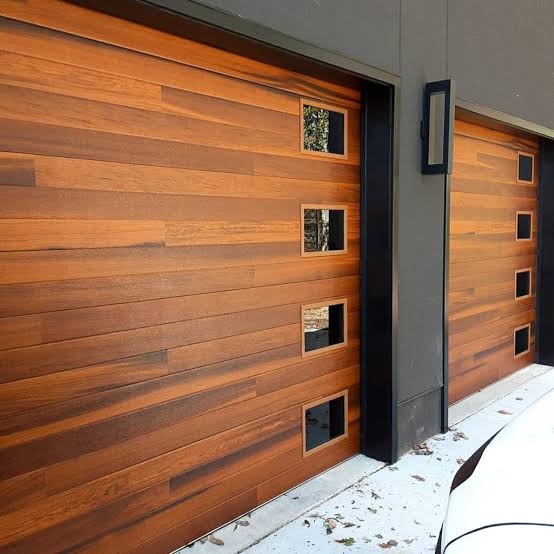
Choosing the right garage door is about more than just curb appeal; it impacts your home’s security, energy efficiency, and daily convenience. With so many options available, homeowners often struggle to decide what is the best material for a garage door that balances durability, maintenance, and cost. This guide breaks down the top contenders to help you make an informed decision that lasts for decades.
Why Does Garage Door Material Matter?
Your garage door is likely the largest moving object on your home’s exterior. It faces constant exposure to weather elements, potential impacts, and daily mechanical stress. The material you choose dictates how well it withstands these challenges.
- Durability: Some materials resist dents and rust better than others.
- Insulation: The right material helps regulate temperature, especially if your garage is attached to your living space.
- Maintenance: Do you want to spend weekends painting and staining, or do you prefer a wipe-clean solution?
- Cost: Prices vary significantly based on material quality and manufacturing processes.
Understanding these factors is crucial before diving into specific material types. Let’s explore the most popular options available in the US market today.
Steel: The Most Popular and Versatile Choice
Steel is widely considered the gold standard for modern garage doors. It offers an excellent balance of strength, affordability, and low maintenance. If you are asking what is the best material for a garage door for most American homes, steel is often the top recommendation.
Pros of Steel Garage Doors
- Durability: High-quality steel resists cracking and warping.
- Low Maintenance: Unlike wood, steel does not require regular painting or sealing. A simple wash with soap and water is usually sufficient.
- Affordability: Steel is generally less expensive than wood or custom fiberglass options.
- Design Flexibility: Steel doors can be embossed to mimic the look of wood grain, offering aesthetic appeal without the upkeep.
Cons of Steel Garage Doors
- Denting: Thinner gauges of steel can dent if hit by a ball or bicycle. Look for 24-gauge or thicker steel for better resistance.
- Rust: If the finish is scratched or compromised, steel can rust over time, especially in humid coastal areas.
Insulation Matters
Steel itself is not insulating. However, most modern steel doors come with polyurethane or polystyrene foam cores. Polyurethane insulation is denser and provides better thermal resistance (R-value), making it ideal for extreme climates.
Wood: The Classic Aesthetic Appeal
For homeowners seeking timeless beauty and custom craftsmanship, wood remains unmatched. Wooden garage doors add warmth and character that synthetic materials struggle to replicate.
Pros of Wood Garage Doors
- Aesthetics: Natural wood grain offers a unique, high-end look that increases curb appeal.
- Customization: Wood can be stained or painted in any color and carved into intricate designs.
- Eco-Friendly: Wood is a renewable resource, especially when sourced from sustainable forests.
Cons of Wood Garage Doors
- High Maintenance: Wood requires regular sealing, staining, or painting to prevent rot, warping, and insect damage.
- Cost: Wood doors are significantly more expensive than steel or aluminum.
- Weight: Wood is heavy, which may require stronger springs and openers, leading to higher installation costs.
Best Wood Types
Common choices include cedar, redwood, and hemlock. Cedar is naturally resistant to rot and insects, making it a popular choice for exterior applications. For more detailed information on wood properties, you can refer to Wikipedia’s entry on Wood.
Aluminum: Lightweight and Modern
Aluminum garage doors are gaining popularity, particularly in modern and contemporary home designs. They are lightweight, corrosion-resistant, and often feature large glass panels.
Pros of Aluminum Garage Doors
- Corrosion Resistance: Aluminum does not rust, making it ideal for coastal regions with salt air.
- Lightweight: Puts less strain on garage door openers and springs.
- Modern Look: Often paired with glass inserts for a sleek, industrial aesthetic.
Cons of Aluminum Garage Doors
- Denting: Aluminum is softer than steel and can dent easily upon impact.
- Insulation Challenges: Metal conducts heat and cold, so aluminum doors may require additional insulation features to be energy efficient.
- Limited Styles: Fewer design options compared to steel or wood.
Fiberglass and Composite: The Low-Maintenance Alternatives
Fiberglass and composite materials offer a middle ground between the durability of steel and the aesthetics of wood. These materials are engineered to mimic wood grain while resisting weather damage.
Pros of Fiberglass/Composite Doors
- Weather Resistant: Does not rust, rot, or corrode. Ideal for humid or salty environments.
- Low Maintenance: Requires minimal upkeep compared to real wood.
- Lightweight: Easier to install and operate than solid wood.
Cons of Fiberglass/Composite Doors
- Brittleness: In extremely cold temperatures, fiberglass can become brittle and crack.
- Color Fading: Some lower-quality fiberglass doors may fade under intense UV exposure over time.
- Cost: Can be more expensive than basic steel models.
Comparison Table: Quick Overview
| Material | Durability | Maintenance | Cost | Best For |
|---|---|---|---|---|
| Steel | High | Low | –$ | Most homeowners, all climates |
| Wood | Medium | High | $–$$ | Historic homes, luxury aesthetics |
| Aluminum | Medium | Low | $$ | Coastal areas, modern designs |
| Fiberglass | Medium-High | Low | –$ | Humid climates, wood look-alike |
How to Choose Based on Your Climate
Your local weather plays a significant role in determining what is the best material for a garage door.
- Hot and Dry Climates: Wood can warp, and fiberglass may fade. Steel with good insulation is a solid choice.
- Cold and Snowy Climates: Insulated steel or composite doors perform well. Avoid thin aluminum as it offers poor thermal protection.
- Coastal and Humid Climates: Salt air accelerates rust. Aluminum or fiberglass is preferable to standard steel. If choosing steel, ensure it has a high-quality galvanized coating.
Installation and Long-Term Care Tips
Regardless of the material, proper installation is key to longevity. Here are some general tips:
- Professional Installation: Garage doors are under high tension. Incorrect installation can lead to safety hazards. Always hire certified professionals.
- Regular Lubrication: Lubricate hinges, rollers, and springs every six months with a silicone-based lubricant.
- Inspect Seals: Check weather stripping annually to maintain insulation and keep pests out.
- Balance Test: Disconnect the opener and manually lift the door halfway. If it doesn’t stay in place, the springs may need adjustment.
FAQ Section
Q1: What is the most durable garage door material?
A: Steel is generally considered the most durable for everyday use due to its resistance to warping and cracking. However, for coastal areas, aluminum or fiberglass may last longer because they do not rust.
Q2: Are insulated garage doors worth the extra cost?
A: Yes, especially if your garage is attached to your home or used as a workspace. Insulated doors reduce noise, improve energy efficiency, and are more durable than non-insulated single-layer doors.
Q3: How often do I need to repaint a wood garage door?
A: Wood garage doors typically need repainting or restaining every 1–2 years, depending on exposure to sun and rain. Regular maintenance is essential to prevent rot and extend lifespan.
Q4: Can I mix materials in my garage door design?
A: Absolutely. Many modern doors combine aluminum frames with glass panels or steel bodies with wood-look overlays. This allows you to customize aesthetics while maintaining structural integrity.
Q5: What gauge of steel is best for a garage door?
A: Lower gauge numbers indicate thicker steel. For residential use, 24-gauge steel is standard. If you live in an area prone to hail or strong winds, consider 22-gauge steel for added dent resistance.
Q6: Do fiberglass garage doors crack easily?
A: Fiberglass is resistant to dents and rust but can become brittle in extreme cold. High-quality composite materials are engineered to mitigate this risk, making them suitable for most climates except those with severe freezing temperatures.
Conclusion
Deciding what is the best material for a garage door depends on your specific needs, budget, and local climate. Steel offers the best all-around value for most homeowners, providing durability and low maintenance. Wood delivers unmatched beauty for those willing to invest time in upkeep, while aluminum and fiberglass excel in specialized environments like coastal regions.
Evaluate your priorities: Do you value aesthetics over convenience? Is energy efficiency a top concern? By weighing these factors, you can select a garage door that enhances your home’s value and functionality for years to come.
If you found this guide helpful, please share it with friends or neighbors who are also considering a garage door upgrade. Your insights could help them make the right choice too!
Leave a Reply