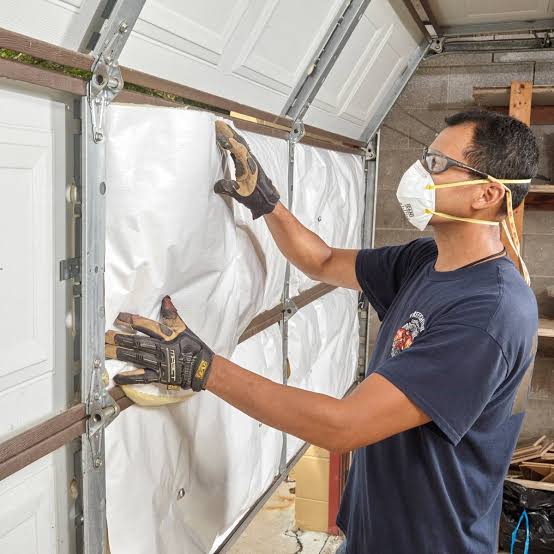
Have you ever stepped into your garage during the peak of summer or the depths of winter and felt like you were entering a sauna or a freezer? You are not alone. Many homeowners struggle with extreme temperatures in their garages, which can affect not only comfort but also the energy efficiency of the entire home. If you are wondering what is the best insulation for a garage door, this guide will walk you through the top options, installation tips, and expert advice to help you make the right choice.
Why Insulate Your Garage Door?
Before diving into the specific materials, it is crucial to understand why insulating your garage door is a smart investment. A garage is often the largest opening in your home’s envelope. Without proper insulation, it acts as a thermal bridge, allowing heat to escape in winter and enter in summer.
According to the U.S. Department of Energy, heating and cooling account for nearly half of the average home’s energy use. By insulating your garage door, you can significantly reduce this load, especially if your garage is attached to your house or used as a workspace.
Key Benefits of Garage Door Insulation
- Energy Efficiency: Reduces the strain on your HVAC system.
- Temperature Control: Keeps the garage cooler in summer and warmer in winter.
- Noise Reduction: Dampens outside noise and reduces the sound of the door operating.
- Durability: Adds structural rigidity to the door, potentially extending its lifespan.
What Is the Best Insulation for a Garage Door?
When evaluating what is the best insulation for a garage door, three main types stand out: rigid foam boards, reflective foil (radiant barriers), and batt insulation. Each has its pros and cons depending on your climate, budget, and DIY skills.
1. Rigid Foam Board Insulation (Polystyrene or Polyurethane)
Rigid foam boards are widely considered the gold standard for garage door insulation. They come in two primary forms: Expanded Polystyrene (EPS) and Extruded Polystyrene (XPS).
Why it’s a top choice:
- High R-Value: Offers excellent thermal resistance per inch of thickness.
- Moisture Resistance: XPS, in particular, is highly resistant to water absorption, making it ideal for humid climates.
- Ease of Installation: Can be cut to fit precisely between door panels.
Comparison: EPS vs. XPS
| Feature | Expanded Polystyrene (EPS) | Extruded Polystyrene (XPS) |
|---|---|---|
| R-Value per Inch | ~3.6–4.0 | ~5.0 |
| Cost | Lower | Higher |
| Moisture Resistance | Moderate | High |
| Best For | Budget-conscious projects | High-performance needs |
For more detailed information on polystyrene properties, you can refer to Wikipedia’s page on Polystyrene.
2. Reflective Foil Insulation (Radiant Barriers)
Reflective foil insulation works differently from traditional materials. Instead of resisting heat flow through mass, it reflects radiant heat away from the garage. This makes it particularly effective in hot climates where solar gain is a major issue.
Pros:
- Lightweight: Adds minimal weight to the garage door mechanism.
- Easy to Install: Often comes in kits with pre-cut panels and adhesive.
- Effective Against Sun Heat: Excellent for reducing summer temperatures.
Cons:
- Lower R-Value: Does not provide significant thermal resistance in cold climates.
- Durability: Can be prone to tearing if not handled carefully.
3. Batt Insulation (Fiberglass or Mineral Wool)
Batt insulation is the same material commonly found in wall cavities. While it is inexpensive and widely available, it is generally not recommended for garage doors unless specifically designed for that purpose.
Why it’s less ideal:
- Weight: Fiberglass batts can be heavy, potentially straining the garage door opener.
- Moisture Issues: If exposed to humidity, fiberglass can absorb moisture, leading to mold and reduced effectiveness.
- Installation Difficulty: It requires a vapor barrier and careful sealing to prevent fibers from escaping.
How to Choose the Right Insulation for Your Climate
The “best” insulation depends heavily on where you live. Here is a quick guide to help you decide:
- Cold Climates (North US, Canada): Prioritize high R-value. Rigid foam boards (XPS) are your best bet. Look for an R-value of at least R-8 to R-12 for the entire door.
- Hot Climates (South US, Arizona, Texas): Focus on reflecting heat. Reflective foil insulation works well here, possibly combined with a thin layer of foam for added benefit.
- Mixed Climates (Midwest, Northeast): A combination approach or high-quality rigid foam provides year-round comfort.
Step-by-Step Guide: How to Install Rigid Foam Insulation
If you have decided that rigid foam is the best option for you, here is a simple DIY installation process.
Tools Needed:
- Utility knife
- Straight edge or ruler
- Measuring tape
- Adhesive (construction adhesive or double-sided tape)
- Safety glasses and gloves
Steps:
- Measure the Panels: Measure the width and height of each individual panel on your garage door. Note that panels may vary in size, so measure each one separately.
- Cut the Foam: Using your utility knife and straight edge, cut the rigid foam boards to fit snugly within each panel. Leave a small gap (about 1/4 inch) to allow for expansion and contraction.
- Test Fit: Place the cut foam into the panel to ensure it fits correctly. Adjust if necessary.
- Apply Adhesive: Apply construction adhesive to the back of the foam board or use heavy-duty double-sided tape. Avoid using liquid nails directly on the door surface if it might damage the finish.
- Insert and Press: Place the foam into the panel and press firmly to secure it. Ensure there are no gaps around the edges.
- Seal Edges (Optional): For extra efficiency, use foil tape to seal the edges of the foam boards. This prevents air leakage and adds a finished look.
Common Mistakes to Avoid
Even with the best materials, poor installation can negate the benefits. Here are some pitfalls to watch out for:
- Ignoring Weight Limits: Garage door openers have weight limits. Adding heavy insulation can cause the opener to fail. Always check your opener’s manual before proceeding.
- Blocking Ventilation: Do not block any ventilation holes in the door panels. Proper airflow is essential to prevent moisture buildup.
- Using the Wrong Adhesive: Some adhesives can melt polystyrene foam. Always use adhesives labeled as safe for foam insulation.
FAQ Section
1. What is the R-value I should aim for in a garage door?
For most residential garage doors, an R-value between R-8 and R-12 is ideal. This provides sufficient thermal resistance without adding excessive weight. Single-layer doors may achieve lower values, while multi-layer insulated doors can reach R-16 or higher.
2. Can I insulate a garage door myself?
Yes, insulating a garage door is a popular DIY project. Kits are available for both reflective foil and rigid foam insulation. However, if you are unsure about the weight implications or have a complex door structure, consulting a professional is recommended.
3. Will insulating my garage door reduce noise?
Absolutely. Insulation adds mass and density to the door, which helps dampen sound. This is beneficial if you live near a busy street or if you use the garage as a workshop. Rigid foam and batt insulation are particularly effective for noise reduction.
4. Is it worth insulating an detached garage?
If the garage is detached and not heated or cooled, insulation may offer fewer energy savings. However, it can still protect items stored inside from extreme temperatures and reduce noise. For attached garages, insulation is highly recommended due to its impact on the home’s overall energy efficiency.
5. How long does garage door insulation last?
Properly installed rigid foam or reflective foil insulation can last 10–20 years or more. Its longevity depends on exposure to moisture, UV light (if exposed), and physical damage. Regular inspections can help identify any issues early.
Conclusion
Choosing what is the best insulation for a garage door ultimately depends on your specific needs, climate, and budget. For most homeowners, rigid foam boards offer the best balance of performance, durability, and ease of installation. Reflective foil is a great alternative for hot climates, while batt insulation is generally best avoided for garage doors.
By taking the time to insulate your garage door, you are not just improving comfort; you are investing in the long-term efficiency and value of your home. So, roll up your sleeves, gather your tools, and transform your garage from a temperature-challenged space into a comfortable, energy-efficient part of your home.
Did you find this guide helpful? Share it with your friends and neighbors on social media who might be struggling with their garage temperatures!
Leave a Reply