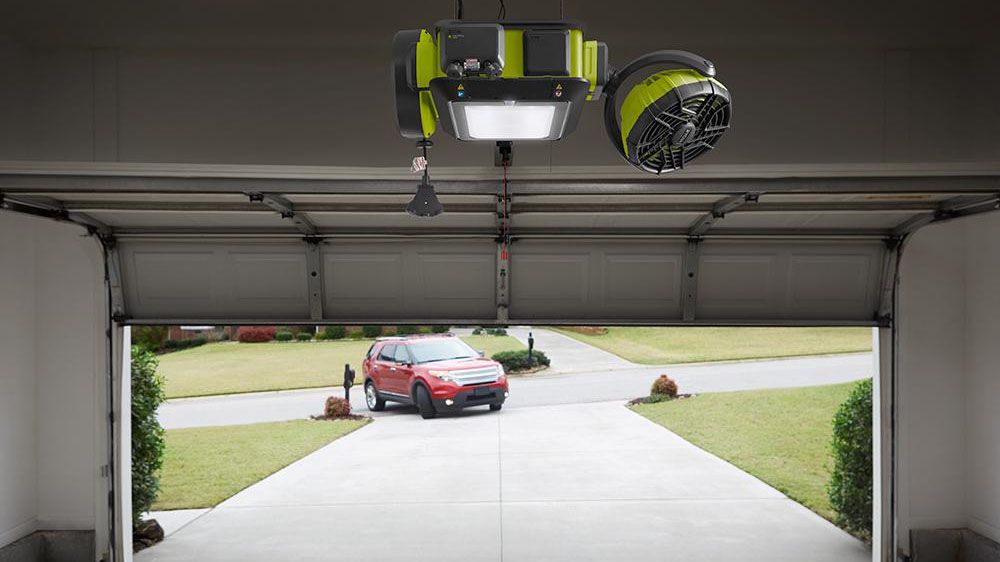
Introduction
A broken or outdated garage door opener can turn your daily routine into a frustrating chore — from grinding noises that wake the whole neighborhood to remotes that refuse to respond on rainy mornings. If you’ve been asking yourself, “What is the best garage door opener on the market?”, you’re not alone. Millions of American homeowners face this exact question every year, especially as smart-home technology continues to reshape how we think about convenience and security. In this comprehensive guide, we’ll walk you through the top contenders, break down the features that truly matter, and help you make a confident purchase decision — no guesswork required.
What Types of Garage Door Openers Are Available?
Before diving into specific models, it’s essential to understand the three main drive types you’ll encounter while shopping. Each has distinct advantages depending on your garage layout, budget, and noise tolerance.
Chain-Drive Openers
Chain-drive openers are the most affordable and widely available option on the market. They use a metal chain to move the trolley along a rail, making them incredibly durable and capable of lifting heavy doors with ease.
- Pros: Budget-friendly, long-lasting, handles heavy doors well
- Cons: Noticeably louder than other types, may require more maintenance over time
If your garage is detached from your living space, a chain-drive model is often the most practical choice.
Belt-Drive Openers
Belt-drive openers swap the metal chain for a reinforced rubber belt, resulting in whisper-quiet operation. This makes them ideal for homes where the garage sits directly beneath a bedroom or living area.
- Pros: Extremely quiet, smooth operation, low maintenance
- Cons: Higher price point, slightly less torque for very heavy doors
Screw-Drive Openers
Screw-drive openers use a threaded steel rod to move the trolley. They have fewer moving parts than chain-drive models, which translates to less wear and tear over the years.
- Pros: Minimal maintenance, moderate noise levels, reliable in extreme temperatures
- Cons: Can be noisy if not properly lubricated, fewer smart features available
Quick Tip: According to industry data, belt-drive openers now account for roughly 45% of all new residential installations in the United States, overtaking chain-drive models for the first time in 2024 thanks to consumer demand for quieter operation.
For a deeper technical overview of how these mechanisms work, you can visit the Garage door opener page on Wikipedia.
What Is The Best Garage Door Opener On The Market in 2026?
Now let’s get to the heart of the matter. After evaluating dozens of models based on reliability, noise output, smart features, warranty coverage, and real customer feedback, here are our top five picks across different categories.
1. Best Overall: Chamberlain B970T Smart Garage Door Opener
The Chamberlain B970T consistently earns top marks from both professional reviewers and everyday homeowners. It features a 1.25 HP motor, ultra-quiet belt drive, and built-in Wi-Fi connectivity through the myQ app.
| Feature | Detail |
|---|---|
| Motor Power | 1.25 HP |
| Drive Type | Belt |
| Noise Level | Ultra-quiet (< 55 dB) |
| Smart Features | myQ app, Amazon Key, IFTTT |
| Warranty | Lifetime motor, 5-year parts |
| Price Range | $280–$350 |
Why it stands out: The integrated battery backup ensures your door still operates during power outages — a feature many competitors charge extra for.
2. Best Budget Pick: Genie Chain Drive 500
If you need reliable performance without breaking the bank, the Genie Chain Drive 500 delivers impressive value at under $180. Its ½ HP motor handles standard single and double-car garage doors effortlessly.
- Best for: Detached garages, first-time buyers, rental properties
- Noise level: Moderate (around 70 dB)
- Smart upgrade: Compatible with Genie Aladdin Connect (sold separately)
3. Best for Smart Homes: LiftMaster 8500W Wall-Mount Opener
The LiftMaster 8500W takes a completely different approach by mounting on the wall beside the door rather than hanging from the ceiling. This frees up overhead space — perfect for garages with high ceilings or car lifts.
| Feature | Detail |
|---|---|
| Motor Power | DC motor with variable speed |
| Drive Type | Direct-drive (wall mount) |
| Noise Level | Near-silent |
| Smart Features | myQ, HomeKit, Alexa, Google |
| Warranty | Lifetime motor, 5-year parts |
| Price Range | $400–$500 |
4. Quietest Option: Chamberlain RJO70 Wall-Mount Opener
Clocking in at just 48 decibels — roughly the volume of a quiet library — the RJO70 is the go-to choice for noise-sensitive households. Its compact wall-mount design also leaves your ceiling completely clear.
5. Best Heavy-Duty: Genie Pro 1024
For oversized or custom wooden doors weighing over 500 pounds, the Genie Pro 1024’s 1.25 HP DC motor provides the raw lifting power you need without sacrificing smooth operation.
How Do You Choose the Right Garage Door Opener for Your Home?
Selecting the “best” opener isn’t one-size-fits-all. Here’s a step-by-step framework to narrow down your options:
Step 1: Measure your garage door. Standard single-car doors weigh 125–200 lbs, while double-car doors range from 200–400 lbs. Heavier doors need at least a ¾ HP motor.
Step 2: Assess your noise tolerance. If there’s a bedroom above or adjacent to the garage, prioritize belt-drive or wall-mount models rated below 60 dB.
Step 3: Decide on smart features. Do you want to open your garage from your phone? Look for built-in Wi-Fi and compatibility with platforms like Apple HomeKit, Amazon Alexa, or Google Home.
Step 4: Check your ceiling clearance. Wall-mount openers require only 7 inches of side clearance, while traditional rail systems need at least 10 feet of headroom.
Step 5: Set your budget. Expect to spend $150–$250 for basic models, $250–$400 for mid-range smart openers, and $400–$600+ for premium wall-mount units with advanced security.
Are Smart Garage Door Openers Worth the Extra Cost?
Absolutely — and the numbers back it up. A 2025 survey by the National Association of Home Builders found that 72% of homebuyers consider smart garage technology a desirable feature when evaluating a property. Beyond resale value, smart openers offer tangible daily benefits:
- Remote monitoring: Check whether your door is open or closed from anywhere using your smartphone.
- Guest access: Grant temporary entry codes to delivery drivers, dog walkers, or house sitters without handing out physical remotes.
- Real-time alerts: Receive instant notifications if your door opens unexpectedly — a powerful deterrent against break-ins.
- Voice control: Simply say “Alexa, close the garage” as you pull into the driveway.
Most smart openers add only $50–$100 to the base price compared to their non-connected counterparts, making the upgrade one of the highest-value improvements you can make.
How Long Does a Garage Door Opener Last?
On average, a well-maintained garage door opener lasts 10 to 15 years. However, several factors influence lifespan:
- Usage frequency: A household opening the door 6+ times daily will see faster wear than one using it twice.
- Climate exposure: Extreme heat, cold, and humidity accelerate component degradation.
- Maintenance habits: Lubricating the chain or belt every 6 months and testing the auto-reverse sensor quarterly can extend life by 3–5 years.
Warning signs it’s time for a replacement include unusual grinding noises, delayed response times, and the door reversing before fully closing.
FAQ Section
Q1: What horsepower do I need for a two-car garage door?
For a standard two-car garage door (typically 16×7 feet), a ¾ HP to 1.25 HP motor is recommended. If your door is insulated or made of solid wood, lean toward the higher end of that range.
Q2: Can I install a garage door opener myself?
Yes, most modern openers come with detailed instructions and can be installed in 2 to 4 hours with basic tools (drill, wrench set, ladder, and level). However, if your garage has torsion springs, hiring a certified technician is strongly advised due to the high tension involved.
Q3: Which is better — chain drive or belt drive?
It depends on your priorities. Belt-drive openers are significantly quieter and ideal for attached garages. Chain-drive openers are more affordable and better suited for heavy doors in detached structures. Both are equally reliable when properly maintained.
Q4: Do garage door openers work during a power outage?
Only models equipped with a battery backup will function during outages. Most premium openers from Chamberlain and LiftMaster include this feature standard, while budget models may require an add-on purchase ($40–$80).
Q5: How much does professional installation cost?
Professional installation typically ranges from $150 to $300, depending on your location and the complexity of the setup. Many retailers like Home Depot and Lowe’s offer bundled installation packages when you purchase the opener through them.
Q6: Are garage door openers secure from hacking?
Modern openers manufactured after 2020 use rolling-code encryption, which generates a new access code every time the remote is pressed. This makes them extremely difficult to intercept or clone compared to older fixed-code models.
Conclusion
So, what is the best garage door opener on the market? The answer ultimately comes down to your unique needs — but if we had to pick a single winner, the Chamberlain B970T offers the strongest combination of quiet performance, smart connectivity, and long-term reliability at a fair price. For budget-conscious shoppers, the Genie Chain Drive 500 punches well above its weight class, while the LiftMaster 8500W is unmatched for tech-forward homes with limited ceiling space.
No matter which model you choose, investing in a quality garage door opener pays dividends in daily convenience, home security, and peace of mind for years to come.
Found this guide helpful? Share it with friends and family on Facebook, X (Twitter), or Pinterest so they can stop struggling with their noisy, unreliable garage door too! Got questions or personal recommendations? Drop a comment below — we’d love to hear from you. 🏠🔧
Leave a Reply