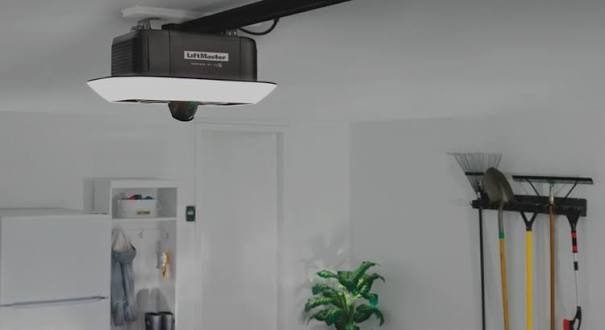
Finding a reliable garage door opener that doesn’t break the bank can feel overwhelming with so many options on the market. You want durability, quiet operation, and modern features without paying for bells and whistles you’ll never use. If you are wondering what is the best garage door opener for the money, this guide breaks down the top contenders based on performance, price, and long-term value.
Why Value Matters More Than Just Price
When shopping for a garage door opener, it is tempting to go for the cheapest option or the most expensive “smart” model. However, the best value lies in the sweet spot between cost and quality. A cheap opener might save you $50 today but could cost you hundreds in repairs within two years. Conversely, a premium model might offer features like battery backup and Wi-Fi connectivity, but if you only open your garage twice a day, those features may not justify the extra cost.
According to industry experts, the average lifespan of a well-maintained garage door opener is 10–15 years. Therefore, investing in a mid-range model from a reputable brand often yields the highest return on investment. You get reliability, warranty support, and essential modern features without the premium price tag.
Top Contenders: What Is the Best Garage Door Opener for the Money?
After analyzing customer reviews, expert tests, and price-to-performance ratios, three models consistently stand out as the best value picks for 2026.
1. Chamberlain B850: The Quiet Workhorse
The Chamberlain B850 is widely regarded as the gold standard for belt-drive openers. It uses a DC motor, which is significantly quieter than traditional chain drives. This makes it ideal if your garage is attached to your home or if you have bedrooms above the garage.
- Price Range: $250–$300
- Key Features: Ultra-quiet belt drive, MyQ smartphone control, battery backup compatible.
- Why It’s Great Value: It offers premium quietness and smart features at a mid-range price. The build quality is robust, and Chamberlain’s widespread service network ensures easy maintenance.
2. Genie SilentMax 1000: Reliability on a Budget
Genie has been a trusted name in garage door openers for decades. The SilentMax 1000 combines a steel-reinforced belt drive with a powerful DC motor. It is slightly more affordable than the Chamberlain B850 while still offering excellent noise reduction.
- Price Range: $200–$250
- Key Features: Steel-reinforced belt, Aladdin Connect compatible (smart home integration), soft start/stop technology.
- Why It’s Great Value: It provides near-silent operation and strong lifting power for heavier doors at a lower entry price. It is a fantastic choice for homeowners who want reliability without breaking the bank.
3. Craftsman ½ HP Chain Drive: The Budget King
If budget is your primary concern and noise is less of an issue, the Craftsman ½ HP Chain Drive opener is a solid choice. Chain drives are noisier than belt drives, but they are incredibly durable and require less maintenance over time.
- Price Range: $150–$180
- Key Features: Heavy-duty chain, robust motor, simple installation.
- Why It’s Great Value: It is one of the most affordable reliable openers on the market. For detached garages or workshops where noise doesn’t matter, this model delivers exceptional performance for the price.
| Feature | Chamberlain B850 | Genie SilentMax 1000 | Craftsman ½ HP Chain |
|---|---|---|---|
| Drive Type | Belt | Belt | Chain |
| Noise Level | Very Quiet | Quiet | Moderate/Loud |
| Smart Connectivity | MyQ App | Aladdin Connect | Optional/Add-on |
| Motor Power | ¾ HP DC | ¾ HP DC | ½ HP AC |
| Best For | Attached Garages | Balanced Value | Detached Garages/Budget |
Key Features to Look for in a Value-Priced Opener
Not all openers are created equal. When determining what is the best garage door opener for the money, focus on these critical features that impact daily use and longevity.
Drive Type: Belt vs. Chain vs. Screw
The drive type determines how the motor moves the door.
- Belt Drive: Uses a rubber belt. It is the quietest option and requires minimal maintenance. Ideal for attached garages.
- Chain Drive: Uses a metal chain. It is the loudest but also the most durable and affordable. Best for detached garages.
- Screw Drive: Uses a threaded steel rod. It performs well in extreme temperatures but can be noisy and requires occasional lubrication.
For most homeowners seeking value, a belt drive offers the best balance of quiet operation and durability.
Motor Power: Horsepower (HP) Matters
The horsepower rating indicates the lifting capacity of the opener.
- ½ HP: Suitable for single, lightweight wooden or aluminum doors.
- ¾ HP: The sweet spot for most double-car garages or heavier insulated doors.
- 1+ HP: Necessary for very heavy custom doors or frequent commercial use.
Choosing a ¾ HP motor ensures your opener isn’t straining, which extends its lifespan. Overpaying for 1+ HP when you don’t need it is a common mistake that reduces value.
Smart Connectivity: Is It Worth It?
Modern openers often come with Wi-Fi connectivity, allowing you to open and close your garage via a smartphone app. While convenient, ask yourself if you truly need this feature. If you rarely forget to close the garage or want to let in delivery drivers, smart connectivity adds significant value. If not, you can save money by choosing a basic model and adding a smart plug later if needed.
Installation: DIY vs. Professional Help
One hidden cost in buying a garage door opener is installation. Many value-focused buyers opt for DIY installation to save $150–$300 in labor costs.
Steps for Basic DIY Installation
- Prepare the Area: Clear the garage ceiling and ensure you have a sturdy ladder. Disconnect power to the old opener.
- Assemble the Rail: Follow the manufacturer’s instructions to assemble the rail and attach the trolley.
- Mount the Header Bracket: Secure the bracket above the garage door using lag screws. Ensure it is level.
- Install the Motor Unit: Hang the motor unit from the ceiling joists using the provided mounting brackets. Use sturdy hardware, as the motor vibrates during operation.
- Connect the Rail: Attach the rail to the motor unit and the header bracket.
- Install Safety Sensors: Place the sensors 6 inches above the floor on both sides of the door. Ensure they are aligned correctly; the door will not close if the beam is interrupted.
- Program the Remotes: Follow the manual to sync your remotes and keypad.
Note: If your garage door springs are broken or damaged, do not attempt to fix them yourself. Garage door springs are under high tension and can cause serious injury. Call a professional for spring-related issues.
For more detailed technical specifications on garage door mechanisms, you can refer to Wikipedia’s article on Garage Door Openers.
Maintenance Tips to Extend Lifespan
To ensure your investment lasts, regular maintenance is key.
- Lubricate Moving Parts: Every six months, apply a silicone-based lubricant to the chain, belt, or screw drive. Avoid WD-40, as it attracts dust.
- Test Safety Features: Monthly, test the auto-reverse feature by placing a 2×4 piece of wood on the floor under the door. The door should reverse immediately upon contact.
- Check Balance: Disconnect the opener and manually lift the door. It should stay open halfway. If it falls, the springs are unbalanced and need professional adjustment.
FAQ Section
Q: How long does a garage door opener last?
A: On average, a well-maintained garage door opener lasts between 10 and 15 years. Belt-drive models tend to last longer due to less wear and tear compared to chain drives.
Q: Is a belt drive worth the extra cost?
A: Yes, if your garage is attached to your home. Belt drives are significantly quieter and smoother, reducing vibration and noise inside your living space. For detached garages, a chain drive is a cost-effective alternative.
Q: Can I install a garage door opener myself?
A: Yes, most modern openers are designed for DIY installation. However, if you are uncomfortable working with electrical wiring or heavy lifting, hiring a professional is safer. Always follow the manufacturer’s instructions carefully.
Q: What is the difference between AC and DC motors?
A: DC motors are generally quieter, more energy-efficient, and offer smoother operation with soft-start/stop features. AC motors are cheaper and more powerful but tend to be noisier and less efficient. For home use, DC motors are usually the better value.
Q: Do I need a battery backup?
A: A battery backup is highly recommended if you live in an area prone to power outages. It allows you to open and close your garage door during blackouts. While it adds to the initial cost, it provides peace of mind and convenience.
Conclusion
Choosing what is the best garage door opener for the money depends on your specific needs, but the Chamberlain B850 and Genie SilentMax 1000 stand out as top contenders for their balance of price, performance, and features. By focusing on drive type, motor power, and essential smart features, you can avoid overspending on unnecessary extras while ensuring reliable operation for years to come.
Remember, the cheapest option isn’t always the best value. Investing in a reputable mid-range model saves you money on repairs and replacements in the long run. Take the time to assess your garage setup, consider your noise tolerance, and choose an opener that fits your lifestyle.
Did you find this guide helpful? Share it with friends or family who are looking to upgrade their garage setup! Let us know in the comments which model you chose and why.
Leave a Reply