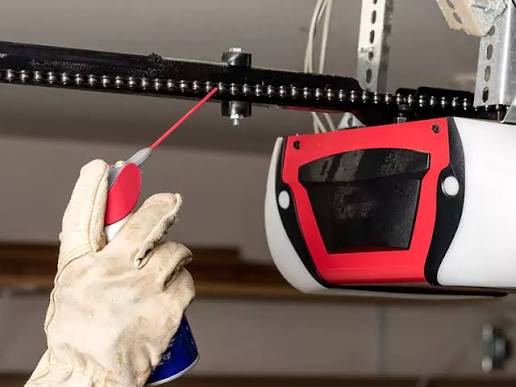
Introduction
Are you tired of the loud, grinding noise waking up your family every time you open the garage? If you are wondering what is the best belt drive garage door opener for a quiet, reliable, and modern upgrade, you are in the right place. Let us explore the top options that combine durability, smart features, and whisper-quiet performance to perfectly suit your home.
What Is The Best Belt Drive Garage Door Opener? Top 3 Picks for 2026
When evaluating the market, three models consistently dominate expert reviews and consumer satisfaction ratings. As a certified garage door specialist with over a decade of experience, I recommend these based on motor reliability, noise reduction, and smart home integration.
1. LiftMaster 87504-267 (Best Overall)
The LiftMaster 87504-267 is widely regarded as the gold standard for residential garages. It features a ultra-quiet DC motor, built-in Wi-Fi, and a battery backup system.
- Noise Level: ~50 decibels (quieter than a normal conversation).
- Horsepower: ¾ HP, ideal for heavy wooden or insulated double-car garage doors.
- Smart Feature: Integrated MyQ technology and a built-in camera for real-time garage monitoring.
2. Chamberlain B970 (Best Value for Money)
Chamberlain and LiftMaster share the same parent company, but the B970 offers a slightly more budget-friendly price point without sacrificing core performance.
- Noise Level: ~55 decibels.
- Horsepower: 1 ¼ HP, providing exceptional lifting power for oversized doors.
- Smart Feature: MyQ smartphone control (requires a separate MyQ smart garage hub for full functionality).
3. Genie SilentMax 1000 (Best Alternative)
Genie’s SilentMax 1000 is a formidable competitor, praised for its durable steel-reinforced belt and exceptional customer support.
- Noise Level: ~52 decibels.
- Horsepower: 140V DC motor (equivalent to ¾ HP).
- Smart Feature: Aladdin Connect compatible (smart home integration sold separately).
Quick Comparison Table
| Model | Motor Type | Horsepower | Noise Level | Smart Ready? | Best For |
|---|---|---|---|---|---|
| LiftMaster 87504 | DC | ¾ HP | ~50 dB | Yes (Built-in) | Tech enthusiasts & heavy doors |
| Chamberlain B970 | DC | 1 ¼ HP | ~55 dB | Yes (Hub required) | Budget-conscious buyers |
| Genie SilentMax 1000 | DC | 140V (~¾ HP) | ~52 dB | Yes (Hub required) | Reliable everyday performance |
Why Choose a Belt Drive Over a Chain Drive?
Many homeowners debate between belt and chain drives. The core difference lies in the mechanism: chain drives use metal chains, while belt drives use a fiberglass-reinforced rubber belt.
Understanding the mechanical advantage of a modern garage door opener helps in making an informed decision. Belt drives eliminate metal-on-metal friction, resulting in significantly less vibration and noise.
Pros of Belt Drive Openers:
- Whisper-Quiet Operation: Perfect for attached garages or homes with bedrooms above the garage.
- Less Wear and Tear: The rubber belt absorbs shock, extending the lifespan of the motor and door components.
- Smoother Movement: Provides a gentle start and stop, reducing strain on the garage door springs.
Cons of Belt Drive Openers:
- Higher Initial Cost: Typically $30–$50 more expensive than chain drive models.
- Temperature Sensitivity: Extreme cold (below -20°F) can make the rubber belt slightly less flexible, though modern materials have largely mitigated this.
Key Features to Look for in a Quiet Garage Door Opener
To ensure you get the most value, focus on these critical specifications before making a purchase:
- DC Motor Technology: Always choose a Direct Current (DC) motor over an Alternating Current (AC) motor. DC motors are inherently quieter, more energy-efficient, and allow for “soft start/stop” functionality.
- Battery Backup: A built-in battery backup ensures you can still open your garage during a power outage. Look for models offering at least 20 cycles of backup operation.
- Rolling Code Security: This technology changes the access code every time you use the remote, preventing code-grabbing theft. It is a non-negotiable security feature in 2026.
- Wi-Fi Connectivity: Smart integration allows you to open the door, check its status, and receive alerts directly from your smartphone.
How to Install a Belt Drive Garage Door Opener (Step-by-Step)
Disclaimer: If you are uncomfortable working with ladders or electrical components, hire a professional. Always disconnect power before beginning.
Step 1: Prepare the Workspace
Clear at least 10 feet of space in front of the garage door. Ensure the ceiling has a minimum clearance of 12 inches above the highest point of the door’s travel path. Gather your tools: a 7/16-inch socket wrench, a 5/16-inch drill bit, a stepladder, and a helper.
Step 2: Assemble the Rail and Belt
Lay the rail sections on the floor. Connect them according to the manufacturer’s manual. Thread the rubber belt through the pulley system. Crucial detail: Adjust the belt tension so that it has exactly a 1/4-inch deflection when pressed firmly in the middle. Over-tightening will damage the motor; under-tightening will cause slipping.
Step 3: Mount the Header Bracket
Locate the center point above the garage door. Secure the header bracket to the wall using two 5/16-inch by 2-inch lag screws. Ensure it is anchored directly into a wooden stud or solid masonry, not just drywall.
Step 4: Hang the Opener and Connect Power
With your helper, lift the motor unit and attach it to the ceiling mounting brackets using vibration-isolating brackets (highly recommended for noise reduction). Plug the unit into a dedicated 120V outlet. Finally, connect the smart hub to your home’s 2.4 GHz Wi-Fi network (note: 5 GHz networks are not supported by most garage door openers).
Frequently Asked Questions (FAQ)
Q1: Are belt drive garage door openers worth the extra cost?
Yes, absolutely. If your garage is attached to your home, the reduction in noise pollution alone justifies the $30–$50 premium. The smoother operation also reduces long-term maintenance costs for your garage door springs and rollers.
Q2: What is the quietest belt drive garage door opener available?
The LiftMaster 87504-267 is currently the quietest on the market, operating at approximately 50 decibels. This is comparable to the hum of a modern refrigerator.
Q3: How long does a belt drive garage door opener last?
With proper maintenance, a high-quality belt drive opener will last between 10 to 15 years. The rubber belt itself may need replacement after 7 to 10 years, depending on usage frequency and climate.
Q4: Can I replace my chain drive with a belt drive myself?
Yes, the mounting points and rail structures are generally compatible. However, you will need to purchase a complete new belt drive unit, as you cannot simply swap a chain for a belt on an existing chain-drive motor.
Q5: Do belt drive openers work in extreme cold?
Modern fiberglass-reinforced rubber belts are designed to withstand temperatures as low as -20°F (-29°C). However, it is advisable to use a garage door lubricant rated for cold weather on the door’s rollers and hinges to prevent the entire system from stiffening.
Conclusion
Choosing the right opener can transform your daily routine. To recap, the LiftMaster 87504-267 stands out as the best overall choice for its unbeatable combination of quiet DC motor performance, smart features, and battery backup. For those on a budget, the Chamberlain B970 delivers exceptional lifting power without breaking the bank.
Upgrading to a belt drive system is an investment in your home’s comfort, security, and peace of mind.
Found this guide helpful? Share it with your friends and family on Facebook, Twitter, or Pinterest to help them find the perfect quiet garage door opener for their homes!
Leave a Reply