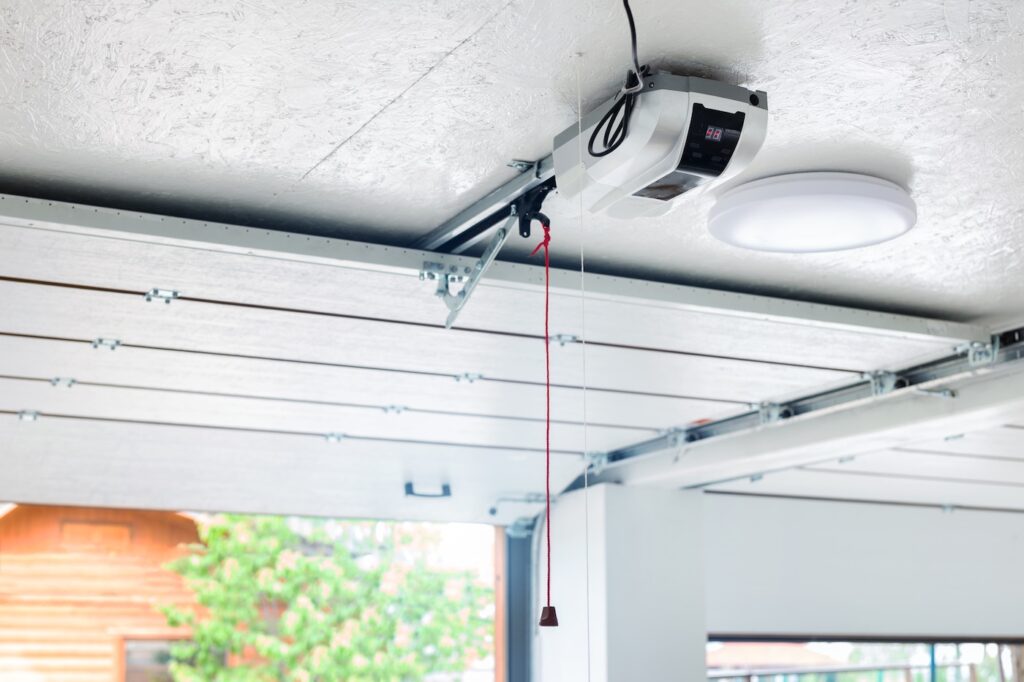
Replacing or upgrading your garage door opener is a significant home improvement project that impacts both security and convenience. If you are wondering what is the average cost of a garage door opener, you are not alone; many homeowners face unexpected expenses when their old unit fails. This guide breaks down every cost factor, from hardware prices to professional installation fees, ensuring you budget accurately for your project.
Understanding the Price Range: What Should You Expect to Pay?
When planning your budget, it is essential to distinguish between the cost of the unit itself and the total installed price. On average, homeowners spend between $300 and $1,200 for a complete garage door opener replacement. This range varies significantly based on the type of motor, brand reputation, and additional features like Wi-Fi connectivity or battery backups.
The hardware alone typically costs between $150 and $500. However, if you require professional installation, labor costs can add another $150 to $400 to your final bill. High-end models with advanced smart home integration may push the total cost closer to the $1,200 mark, while basic chain-drive units remain the most affordable option for budget-conscious buyers.
| Cost Component | Low-End Estimate | High-End Estimate |
|---|---|---|
| Opener Unit Only | $150 | $500+ |
| Professional Installation | $150 | $400 |
| Old Unit Removal & Disposal | $50 | $100 |
| Total Project Cost | $300 | $1,200+ |
How Does the Drive Type Affect the Cost?
One of the primary factors influencing what is the average cost of a garage door opener is the drive mechanism. There are four main types, each with distinct price points and performance characteristics.
Chain-Drive Openers
Chain-drive openers are the most traditional and affordable option. They use a metal chain to lift the door, similar to a bicycle chain.
- Average Cost: $150–$250
- Pros: Durable, inexpensive, widely available.
- Cons: Noisy operation; not ideal if bedrooms are located above or adjacent to the garage.
Belt-Drive Openers
Belt-drive models use a rubber belt instead of a metal chain, resulting in significantly quieter operation.
- Average Cost: $250–$400
- Pros: Very quiet, smooth operation, low maintenance.
- Cons: Slightly more expensive than chain drives; belts may need replacement after many years.
Screw-Drive Openers
These openers use a threaded steel rod to move the trolley. They have fewer moving parts, which can mean less maintenance.
- Average Cost: $200–$350
- Pros: Fewer moving parts, good for extreme temperatures.
- Cons: Can be noisy over time as lubrication wears off; not as common as other types.
Direct-Drive (Jackshaft) Openers
Mounted on the wall beside the door rather than the ceiling, these are ideal for garages with high ceilings or limited headroom.
- Average Cost: $400–$600+
- Pros: Saves ceiling space, very quiet, secure.
- Cons: Highest upfront cost; requires specific door compatibility.
Do Smart Features Increase the Price?
In 2026, smart home integration is no longer a luxury but a standard expectation for many homeowners. Openers equipped with Wi-Fi capabilities allow you to control your garage door via smartphone apps, receive alerts when the door is left open, and grant temporary access to delivery drivers.
Adding smart features typically increases the unit cost by $50 to $150. However, this investment can enhance security and convenience. For example, brands like LiftMaster and Chamberlain offer MyQ technology, which integrates seamlessly with Amazon Key, Google Assistant, and Apple HomeKit. While the initial cost is higher, the ability to monitor your home remotely provides peace of mind that many users find invaluable.
What Are the Labor Costs for Professional Installation?
While DIY installation is possible for those with mechanical skills, hiring a professional ensures safety and proper alignment. The national average for professional installation ranges from $150 to $400. Several factors influence this fee:
- Complexity of the Job: If new wiring or structural reinforcements are needed, labor costs will rise.
- Location: Urban areas with higher living costs often have higher service rates.
- Disposal Fees: Removing and disposing of the old opener may incur an additional fee of $50 to $100.
It is crucial to hire a licensed technician, especially since garage doors are under high tension and can be dangerous to work with. According to industry standards, improper installation can void warranties and create safety hazards. For more information on garage door safety standards, you can refer to Wikipedia’s overview of garage door openers.
Which Brands Offer the Best Value for Money?
Choosing the right brand can impact both the initial cost and long-term reliability. Here are three top contenders in the US market:
- LiftMaster: Known for durability and widespread professional use. Their belt-drive models are highly rated for quiet performance.
- Chamberlain: A consumer-friendly brand that offers excellent smart features at a competitive price point. Ideal for DIY enthusiasts.
- Genie: Offers a good balance of price and performance, with strong warranty support and reliable screw-drive options.
When comparing brands, look beyond the sticker price. Consider the length of the warranty, availability of replacement parts, and customer service reviews. A slightly more expensive unit with a 5-year warranty may offer better long-term value than a cheaper model with only a 1-year guarantee.
FAQ Section
How long does a garage door opener last?
Most garage door openers last between 10 to 15 years with regular maintenance. Factors such as frequency of use, climate conditions, and the type of drive mechanism can influence lifespan. Belt-drive openers often last longer due to less wear and tear compared to chain drives.
Can I install a garage door opener myself?
Yes, if you are comfortable with basic tools and electrical wiring, you can install a garage door opener yourself. Most modern units come with detailed instructions and kits. However, if your garage has unusual wiring or structural issues, hiring a professional is recommended to ensure safety and compliance with local codes.
Is it worth paying extra for a battery backup?
Absolutely. A battery backup allows you to open and close your garage door during power outages, which is critical for security and accessibility. Given the increasing frequency of severe weather events, many homeowners consider this feature essential. The added cost is usually around $100 to $150.
What size motor do I need for my garage door?
For standard single-car garage doors, a ½ HP motor is sufficient. For heavier double-car doors or wooden doors, a ¾ HP or 1 HP motor is recommended to ensure smooth operation and longevity. Using an undersized motor can lead to premature wear and failure.
Do garage door openers require regular maintenance?
Yes, regular maintenance can extend the life of your opener. This includes lubricating moving parts, testing the safety reversal sensors, and checking the balance of the door. Performing these checks twice a year can prevent costly repairs and ensure safe operation.
Conclusion
Understanding what is the average cost of a garage door opener helps you make a confident decision that balances budget, features, and reliability. Whether you choose a budget-friendly chain-drive model or a premium smart belt-drive system, investing in quality hardware and professional installation pays off in security and convenience.
If you found this guide helpful, please share it with friends or family who might be facing similar home improvement decisions. Your network will appreciate the clarity and detailed breakdown of costs!
Leave a Reply